


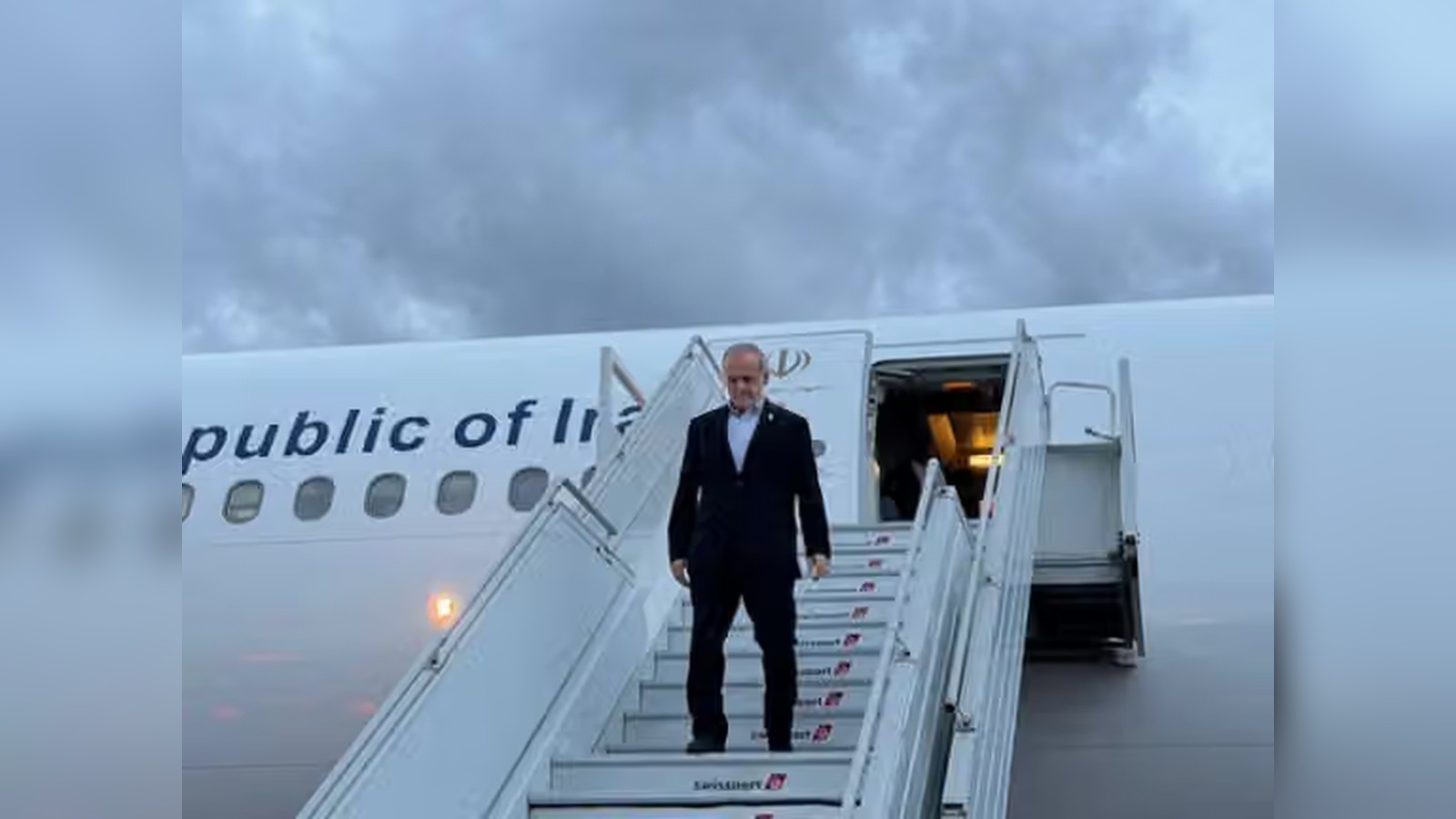
A Diplomatic Standoff in New York
Seven months into a conflict with the United States and Israel, Iranian President Masoud Pezeshkian used the United Nations General Assembly podium on Tuesday to signal that Tehran remains defiant. Addressing world leaders, Pezeshkian stated that the Islamic Republic “will not bow down,” explicitly refusing to yield on its nuclear program, missile defenses, or control over the vital Strait of Hormuz, CNN reported.
The speech followed a high-stakes meeting between Iranian Foreign Minister Abbas Araghchi and U.S. peace envoy Steve Witkoff. Despite this engagement, U.S. Secretary of State Marco Rubio indicated that the talks yielded no major breakthroughs and that the previously discussed Memorandum of Understanding (MoU) is effectively off the table.
Domestic Political Friction
The diplomatic efforts in New York have sparked a sharp divide within Iran’s political establishment. Hard-line factions and the IRGC-affiliated news outlets have condemned the Foreign Minister’s meeting with U.S. representatives, labeling it an act of surrender. Lawmaker Ebrahim Rezaei publicly demanded an explanation regarding the authorization for these talks, reflecting deep skepticism among Iranian conservatives, Iran International reported.
Conversely, supporters of the administration, including senior reformist figures, have encouraged direct engagement with Washington to address the country’s mounting economic and security crises. Major General Yahya Rahim Safavi, an adviser to Supreme Leader Mojtaba Khamenei, provided rare confirmation that the government has the leadership’s approval to maintain “open hands” in negotiations, suggesting a calculated strategic effort to manage the ongoing war.
Economic and Military Pressure
The diplomatic maneuvering occurs against a backdrop of tightening U.S. sanctions and ongoing military volatility. Washington’s recent restrictions on Iranian aviation services have forced the cancellation of several international routes, though some flights continue to operate to regional hubs. Meanwhile, the U.K. Maritime Trade Operations (UKMTO) center reported a vessel being targeted near the Strait of Hormuz, underscoring the persistent danger in the region.
As Pezeshkian promotes a message of regional security, Iran’s Supreme National Security Council chief, Mohsen Rezaei, has introduced a more rigid framework for future negotiations. Rezaei declared that any future talks would be contingent upon Washington taking the first step to meet Iran’s requirements, signaling a shift in tactics intended to appease domestic critics while maintaining a posture of strength.