


Iran is facing increasing economic and diplomatic pressures as European powers consider invoking the ‘snapback’ mechanism to reimpose United Nations sanctions. This development has not only sent the Iranian rial plummeting to near-record lows but also heightened tensions between Tehran and Western nations over its nuclear program and regional activities.
The Snapback Sanctions: A Looming Threat
The ‘snapback’ mechanism is a provision included in the 2015 nuclear deal, formally known as the Joint Comprehensive Plan of Action (JCPOA). It allows any signatory to reinstate UN sanctions on Iran if it is found to be in significant breach of the agreement. This mechanism, designed to bypass vetoes at the UN Security Council, has reemerged as a potent tool in Western diplomacy. On August 8, France, Germany, and the United Kingdom warned that they might trigger the snapback process after Iran halted inspections by the International Atomic Energy Agency (IAEA).
European powers are particularly concerned about Iran’s uranium enrichment activities, which have reached 60% purity—a technical step away from weapons-grade levels. Additionally, Iran has amassed a significant stockpile of highly enriched uranium, raising fears of its potential use in nuclear weapons. The IAEA’s access to Iranian nuclear sites has also been restricted, exacerbating concerns about the transparency of Tehran’s program.
Economic Fallout: The Rial’s Freefall
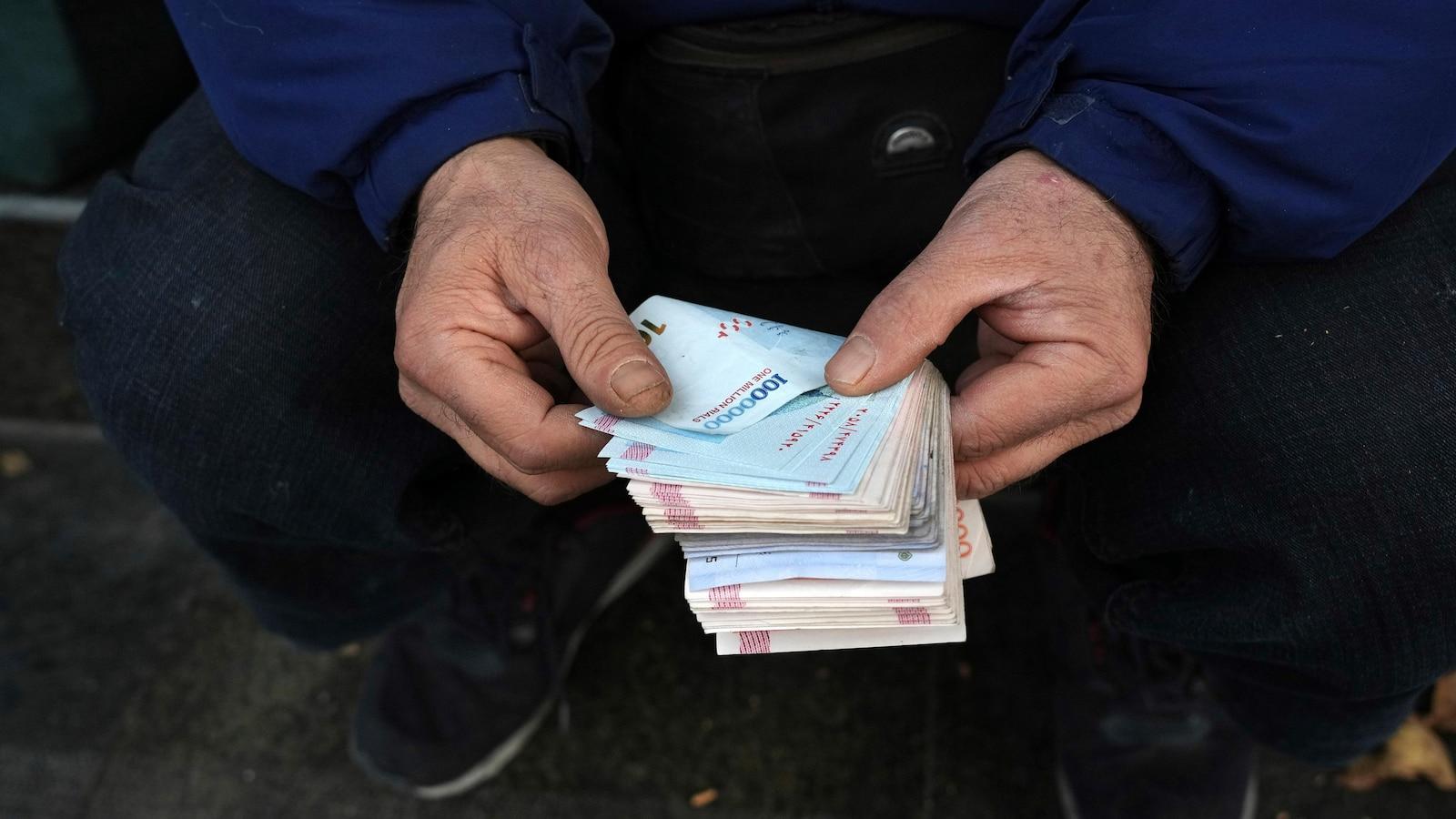
The threat of renewed sanctions has already had severe economic consequences for Iran. On August 28, the Iranian rial traded at over 1 million to the US dollar, approaching its lowest-ever value of 1,043,000 rials to $1, recorded in April. For context, the rial traded at just 32,000 to $1 when the JCPOA was signed in 2015. This precipitous decline underscores the currency’s vulnerability to geopolitical tensions and economic isolation.
The snapback sanctions would further isolate Iran by freezing its assets abroad, halting arms deals, and penalizing its ballistic missile program. These measures would exacerbate the country’s existing economic woes, which include high inflation, unemployment, and widespread poverty.
Diplomatic Stalemate and Regional Tensions
Iran’s response to the snapback threat has been defiant. Deputy Foreign Minister Kazem Gharibabadi warned that Tehran would cease all cooperation with the IAEA if the sanctions are reinstated. “If they opt for snapback, it makes no sense for Iran to continue working with them,” he said on state television.
Foreign Minister Abbas Araghchi echoed this sentiment, expressing skepticism about the effectiveness of diplomacy in preventing conflict. “Weren’t we in the talks when the war happened? So, negotiation alone cannot prevent war,” he told the state-run IRNA news agency, referring to the recent Israel-Iran conflict that disrupted nuclear negotiations.
The regional context further complicates the situation. The 12-day war between Israel and Iran in June, which included Israeli strikes on Iranian nuclear facilities, has left a lasting impact. Iran claims to have relocated its uranium and equipment to undisclosed sites, raising concerns about the IAEA’s ability to monitor its nuclear program effectively.
The Broader Implications
The potential invocation of the snapback mechanism could have far-reaching consequences. For Iran, it would mean further economic isolation and increased domestic unrest, as the population grapples with the effects of a collapsing currency and rising prices. For the West, it represents a critical test of the JCPOA’s viability and the broader strategy to prevent nuclear proliferation.
The Soufan Center, a New York-based think tank, noted that Western powers view the snapback as a means of keeping Iran strategically weak. Conversely, Iranian leaders see it as an attempt to destabilize their regime. This mutual distrust underscores the challenges of finding a diplomatic resolution to the crisis.
As the clock ticks on the 30-day window for the snapback mechanism, the world watches anxiously, aware that the outcome could shape the future of Iran’s nuclear ambitions and its relations with the international community.