


Investigation into Security Breach
The Iraqi government has launched an official investigation into a security breach following drone attacks on a vital Saudi Arabian oil pipeline, which authorities confirmed originated from Iraqi soil. Prime Minister Ali al-Zaidi announced the probe early Saturday, confirming the dismissal of the military commander responsible for the Maysan province, where the launch site was identified, according to WTOP.
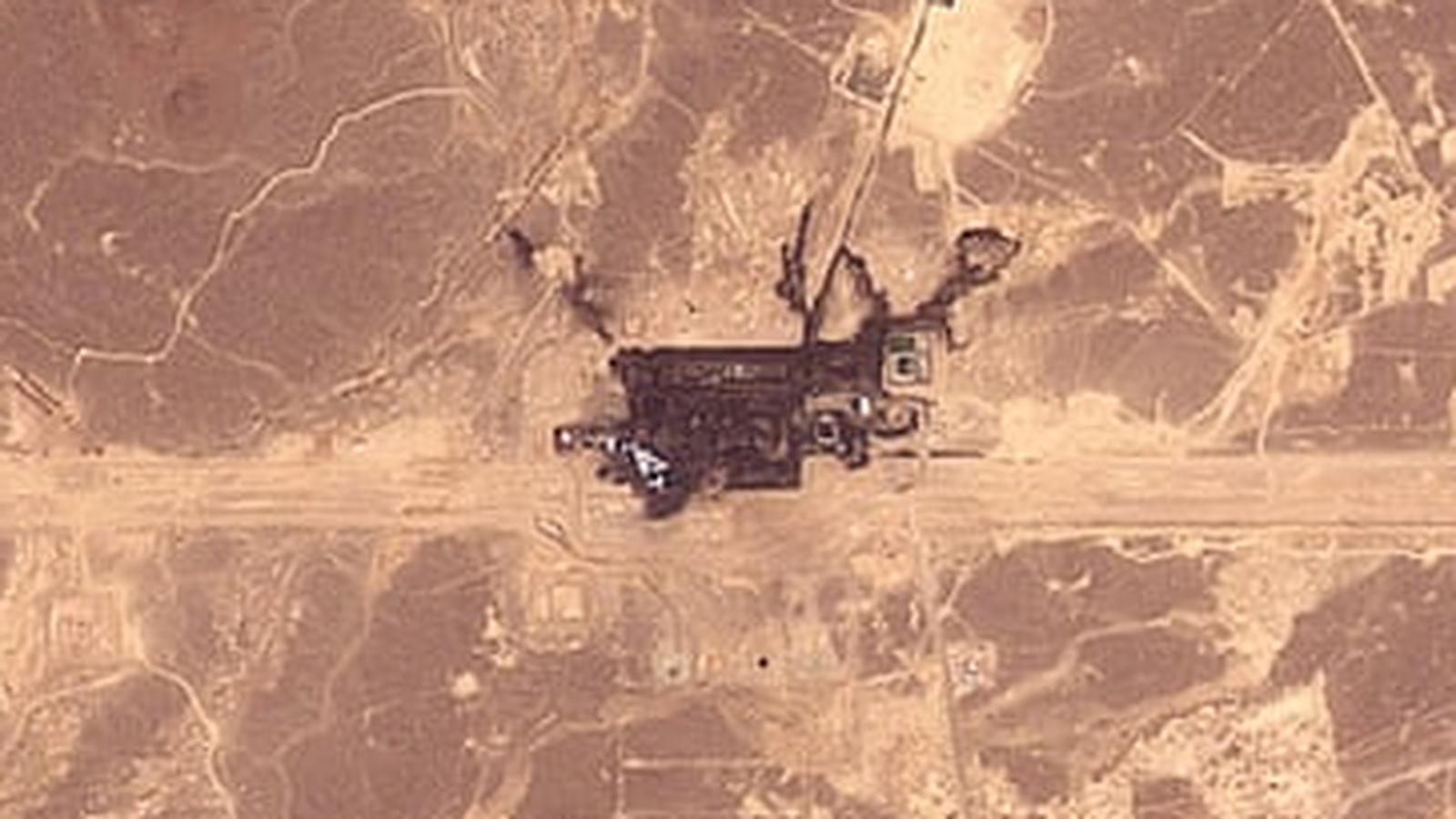
Saudi Arabia opted to shut down the East-West pipeline on Friday as a “precautionary measure” after the drones struck near the infrastructure. Satellite imagery from Copernicus Sentinel Data, reviewed by The Guardian, showed smoke billowing near Medina along the pipeline’s route. While the Saudi Foreign Ministry explicitly blamed the attack on drones from Iraq, it stated that the Kingdom would refrain from immediate retaliation to allow the Iraqi government space to address the security failure.
Regional Energy and Security Stakes
The East-West pipeline has served as a critical lifeline for Saudi oil exports since the ongoing war with Iran disrupted maritime traffic through the Strait of Hormuz. According to data from the International Energy Agency, the volume of Saudi oil transiting through the Red Sea port at the pipeline’s terminus has more than doubled since the conflict began in early 2026. Global crude prices responded to the incident by climbing above $100 per barrel, reflecting heightened market anxiety over energy security.
The incident occurs amidst a broader regional escalation. Tehran-backed militias within Iraq have been linked to ongoing strikes against U.S. and regional targets since the onset of the conflict in late February. Concurrently, Houthi rebels in Yemen have consolidated control over the Bab al-Mandab Strait, further complicating international shipping lanes. In a separate move, Iraqi authorities announced the closure of the Shalamcheh and Chazabeh border crossings with Iran, signaling a potential shift in security protocols along their shared frontier.
Diplomatic and Environmental Pressures
U.S. President Donald Trump, speaking from Ireland, indicated that his administration believes Iran is “probably” responsible for the pipeline attack. Despite these tensions, the U.S. continues to pursue diplomatic frameworks, with scheduled talks between Lebanese and Israeli negotiators expected to resume in Rome next month.
The regional instability is further compounded by a growing environmental crisis in the Gulf of Oman. Greenpeace Germany reported that an oil spill resulting from recent tanker attacks has doubled in size, now spanning approximately 400 square kilometers. The spill threatens protected ecological zones on both the Omani and Iranian coasts, including vital mangrove forests and seabird habitats, with experts warning that effective containment remains unlikely given the current security environment.