


A Shift in the French Grand Slam Landscape
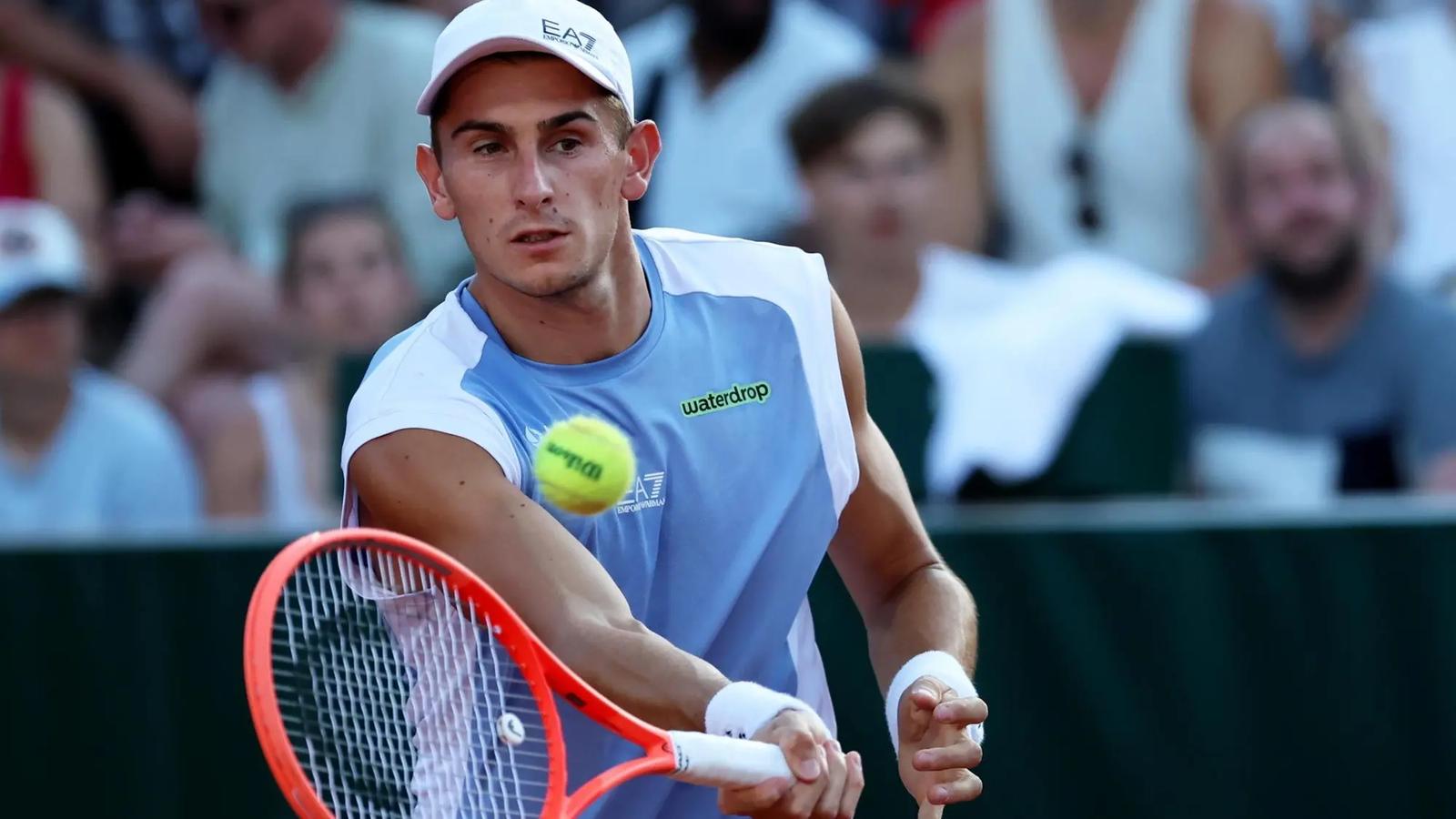
The 2026 Roland Garros tournament has witnessed a seismic shift in competitive dynamics, as the unexpected exit of world number one Jannik Sinner has cleared a path for Italy’s rising contingent. In a display of endurance and tactical grit, Matteo Arnaldi, Matteo Berrettini, and Flavio Cobolli have each advanced to the round of 16, signaling a new era of Italian depth on the Parisian clay.
The stakes for these athletes have never been higher. With the tournament draw significantly opened by the departure of top-tier favorites, the psychological barrier to a deep run has diminished. As Flavio Cobolli noted in the aftermath of his victory, the current atmosphere in the locker room is one of heightened opportunity. “The two strongest players aren’t here,” he stated, referring to the absence of Sinner and Alcaraz. For Italy, this represents more than just a successful tournament; it is a validation of the nation’s investment in tennis infrastructure and player development.
The Endurance Factor: Arnaldi and Berrettini’s Marathons
The progression of the two Matteos—Arnaldi and Berrettini—was defined by physical attrition. In matches lasting over five hours, both players demonstrated the mental fortitude required to navigate the grueling conditions of the clay court. Matteo Berrettini’s victory over Francisco Comesana, concluding with a score of 7-6, 5-7, 6-7, 6-4, 7-6, marked the longest match of his professional career. By saving two match points in the final super tie-break, Berrettini proved that his tactical recovery from recent injuries is complete.
Similarly, Matteo Arnaldi’s victory over Belgium’s Raphael Collignon—a match that also extended to a decisive super tie-break—underscored the high level of parity among the top 50 players in the world. Arnaldi’s ability to maintain focus through five sets of intense physical exertion highlights his maturation as a Grand Slam contender. His resilience under the relentless Parisian sun has provided a definitive answer to critics questioning his capacity for long-distance matches.
Cobolli’s Tactical Dominance
While his compatriots engaged in marathon battles, Flavio Cobolli offered a masterclass in efficiency. Defeating American Learner Tien in straight sets, 6-2, 6-2, 6-3, Cobolli demonstrated that he is arguably the most comfortable on the clay surface among the trio. Currently ranked 13th in the world, Cobolli’s performance on the Philippe-Chatrier court was clinical. His upcoming match against Zachary Svajda presents a strategic challenge, but Cobolli remains confident, viewing the current draw as a genuine window of opportunity.
The collective success of these three players arrives just days before the 80th anniversary of the Italian Republic, adding a layer of national sentiment to their achievements. As the tournament moves into its second week, the physical toll of these five-hour matches will be the primary variable. With temperatures in Paris expected to drop, the conditions may favor those who can recover most effectively, turning the latter stages of the competition into a contest of physiology as much as skill.
The simultaneous advancement of three Italian men to the second week of a Grand Slam is a structural milestone for the Italian Tennis Federation. While the absence of global icons like Sinner has undoubtedly altered the tournament’s narrative, the capacity of Arnaldi, Berrettini, and Cobolli to seize the moment suggests that Italian tennis is moving toward a post-dependent model where depth, rather than singular reliance, defines their global competitiveness. The coming days will test whether this momentum can translate into a deep semi-final or final appearance, marking a definitive shift in the European tennis power balance.