


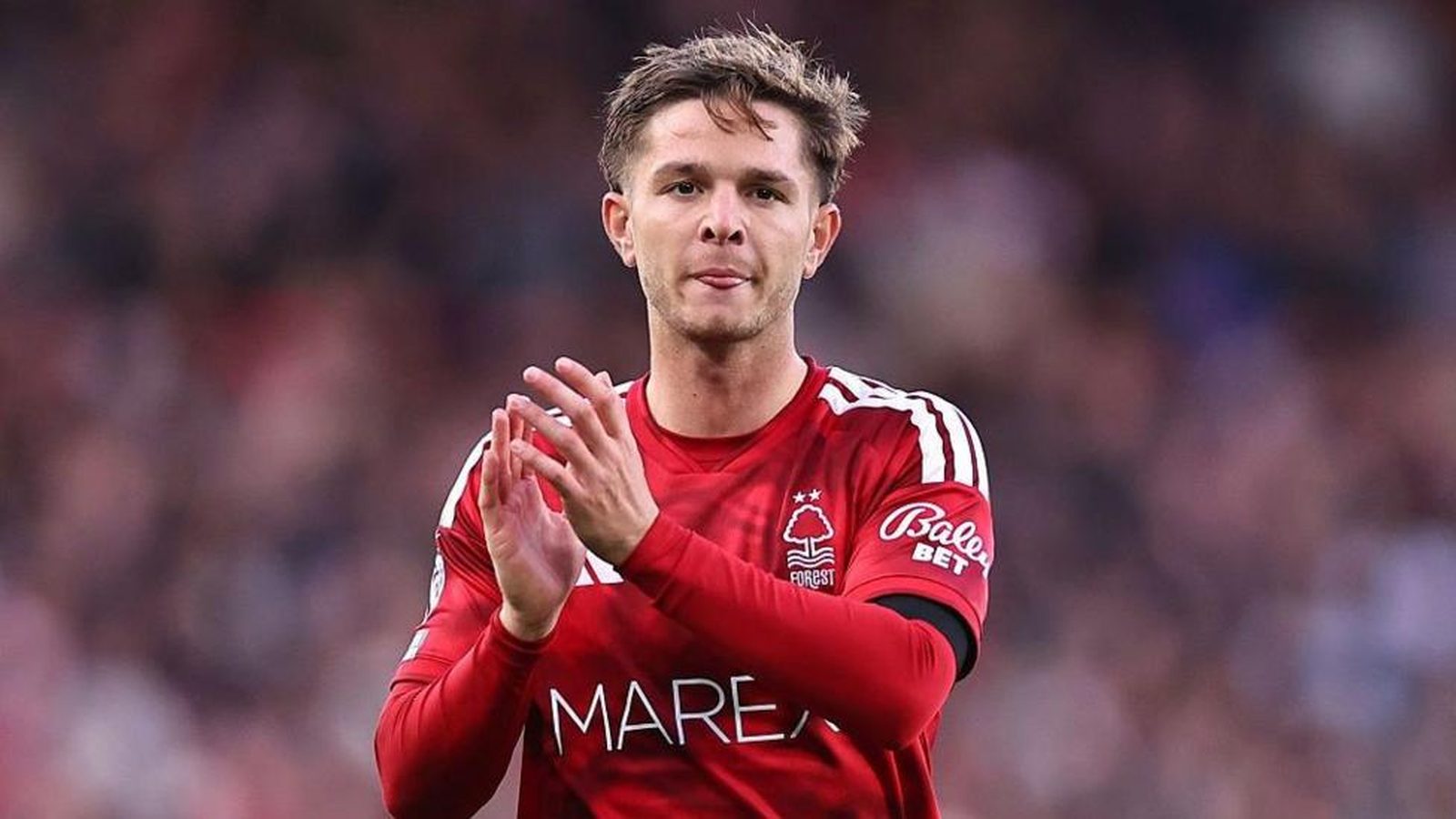
From City Ground Fringe to Central Starter
Following a difficult first season at Nottingham Forest after his £30m move from Manchester City in 2025, midfielder James McAtee has transformed from a fringe player into an indispensable starter under manager Oliver Glasner, the BBC reported on November 19, 2026. The 24-year-old midfielder made only two Premier League starts last season, enduring a frustrating campaign as Forest went through four different managers. Although he captained England Under-21s to victory at Euro 2025, he managed just 289 minutes in top-flight action. This season, however, McAtee has already tripled those minutes by starting every Premier League match under Glasner, emerging as a vital engine for the team.
Forest have experienced a challenging start that leaves them 16th in the Premier League table, yet McAtee’s individual trajectory has proved a rare bright spot. As Khelangan reported, drawing on the same data, the academy graduate has quietly established himself as one of the most prolific distributors and ball-winners in the squad, stepping into the deeper responsibilities left by Elliot Anderson’s departure to Manchester City.
Summer Transformation and Managerial Faith
The turnaround is underpinned by a rigorous off-season training regimen and the immediate tactical backing of Oliver Glasner. During the summer, McAtee worked alongside personal trainer and former professional midfielder David Norris, focusing heavily on physical conditioning that saw him add 2.5kg of muscle while shedding 1kg of fat. This physical overhaul, combined with morning fitness sessions, prompted Glasner to label the midfielder one of the standout performers of pre-season.
McAtee admitted that early tactical experiments by Glasner—initially deploying him in a deep-lying defensive midfield role—left him uncertain about his future at the City Ground. However, regular communication, paired with the psychological lessons learned from his difficult previous campaign, helped steady his confidence. Glasner promised the player a margin of error following poor performances, a stark contrast to the intense pressure he faced under previous managers when brief opportunities arose.
Statistical Growth and International Ambitions
The statistical evidence underscores McAtee’s growing influence on the pitch. He has registered a team-high 151 final-third passes, created 18 chances, and matched Morgan Gibbs-White with five through-balls. Furthermore, his defensive contributions have increased significantly, with 63 ball recoveries and a 53% success rate in ground duels, showcasing a newfound physical edge.
These domestic displays have also placed McAtee on the radar for higher international recognition. Having prioritized the UEFA European Under-21 Championship victory over a Club World Cup trip with Manchester City, he now harbours realistic ambitions of earning a senior England call-up from Thomas Tuchel ahead of Euro 2028. With strong domestic form and consistent backing from technical director George Syrianos, McAtee has firmly positioned himself as a central figure in Forest’s long-term plans.
Tactical Evolution in the Quarterback Role
As Sky Sports noted, Oliver Glasner sought to replicate the 3-4-2-1 tactical framework he implemented successfully at Crystal Palace, designating two central midfielders as “quarterbacks” responsible for controlling the tempo and directness of attacks. Having previously relied on Adam Wharton in that structural capacity at Selhurst Park, Glasner identified similar technical traits in McAtee, tasking the left-footed playmaker with operating much deeper than his traditional academy role as an advanced number ten.
Despite initial reservations about playing in the number six position, McAtee’s ability to operate in tight spaces—a quality previously highlighted by former Manchester City academy coach Brian Barry-Murphy—allowed him to adapt seamlessly. By delivering punchy, vertical passes through opposing defensive lines, McAtee has become the driving force behind Forest’s direct attacking philosophy. This tactical alignment has not only bridged the creative gap left by squad changes but has also provided the player with a consistent platform to showcase his complete midfield evolution.