


Renewed Escalation in the Middle East
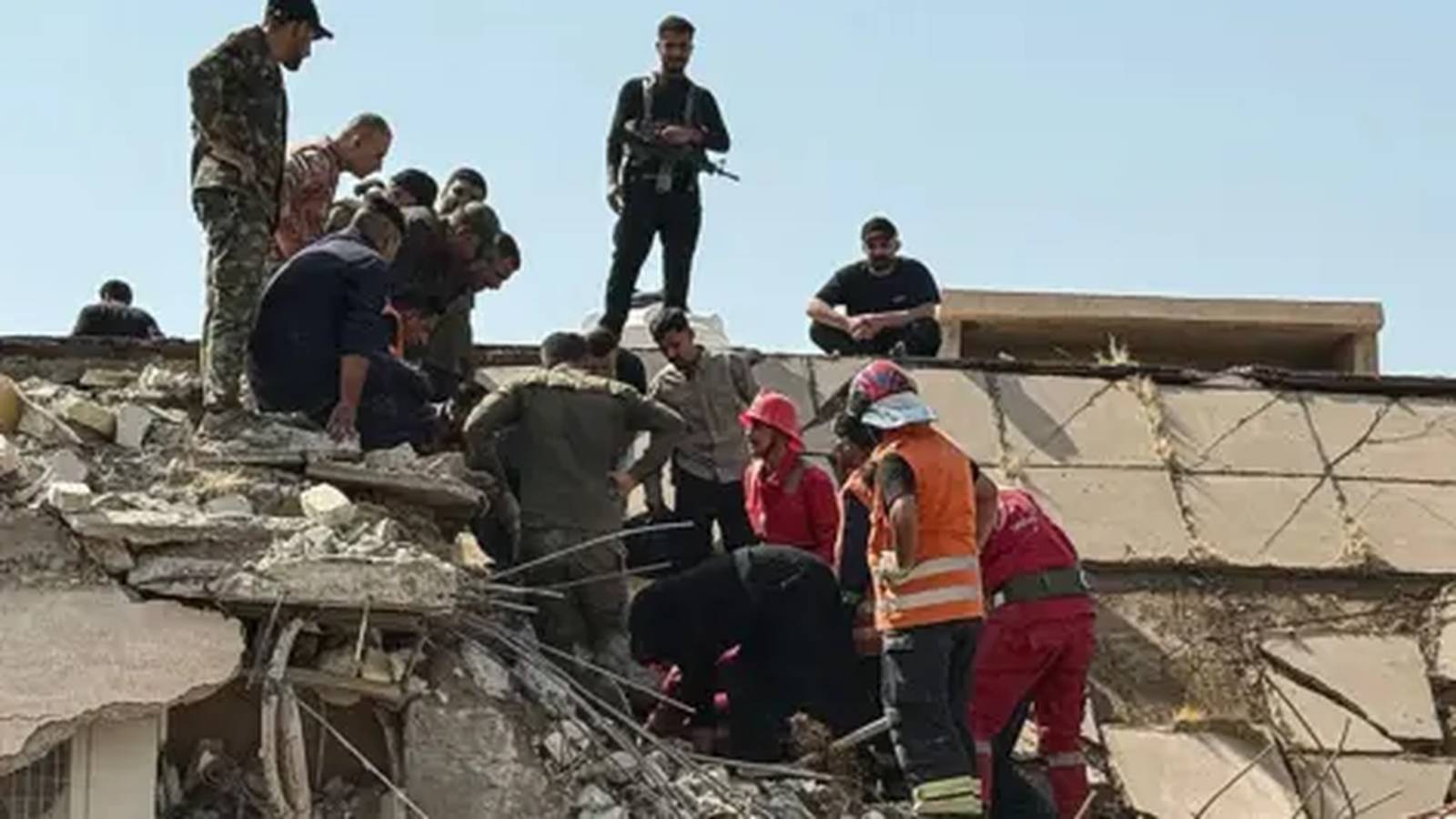
The fragile lull in the conflict between the United States and Iran fractured on Wednesday, July 29, 2026, as U.S. and Saudi forces launched a series of coordinated strikes against Iran-backed militias in Iraq. The military operation, confirmed by U.S. Central Command (CENTCOM), targeted weapons storage and logistics sites across seven Iraqi provinces, including Baghdad, Basra, and Nineveh.
This escalation followed a direct ballistic missile attack launched by Iran’s Islamic Revolutionary Guard Corps (IRGC) on Tuesday afternoon. According to CENTCOM, the missiles targeted U.S. military assets in the Middle East, with Jordanian military officials confirming that five missiles were intercepted over their territory. The IRGC stated the attack was a retaliatory measure against U.S. actions, signaling a shift from the restraint observed over the previous several days.
The Saudi Role and Regional Impact
Saudi Arabia’s public involvement in the strikes marks a significant hardening of its regional security posture. Maj-Gen Turki al-Maliki, a spokesperson for the Saudi Defense Ministry, stated that the strikes were a response to recent drone attacks launched by Iraqi militias against oil infrastructure in the Riyadh and Sharqiya regions. Saudi authorities framed the operation as an exercise of their “right to self-defense,” emphasizing that while they do not seek escalation, they will respond to direct aggression against their energy facilities.
The Popular Mobilization Forces (PMF), an umbrella organization of militias integrated into the Iraqi armed forces, reported that the joint strikes resulted in significant casualties, with at least 20 fighters killed and 32 wounded. Iraqi Prime Minister Ali al-Zaidi convened an emergency meeting of the National Security Council to address the violation of sovereignty, as the strikes underscore the difficult position of the Iraqi government, which has officially pledged to bring armed factions under state control.
Impact on Diplomatic and Energy Markets
The timing of these hostilities is particularly sensitive, occurring while U.S. President Donald Trump and Israeli Prime Minister Benjamin Netanyahu met in Washington. While the White House described the meeting as “positive and productive,” the renewed fighting threatens to derail ongoing, albeit tenuous, mediation efforts regarding the Strait of Hormuz. Iran recently rejected an Omani proposal for joint management of the waterway, signaling that Tehran remains unwilling to compromise on its strategic leverage in the region.
Energy markets reacted immediately to the instability. Global benchmark Brent crude rose by 4.3% to $87.70 a barrel, while U.S.-traded oil saw a 4.2% increase to $82.62. Analysts remain concerned that prolonged conflict could further disrupt the flow of oil through the Strait of Hormuz, which historically accounts for approximately 20% of global supplies.