


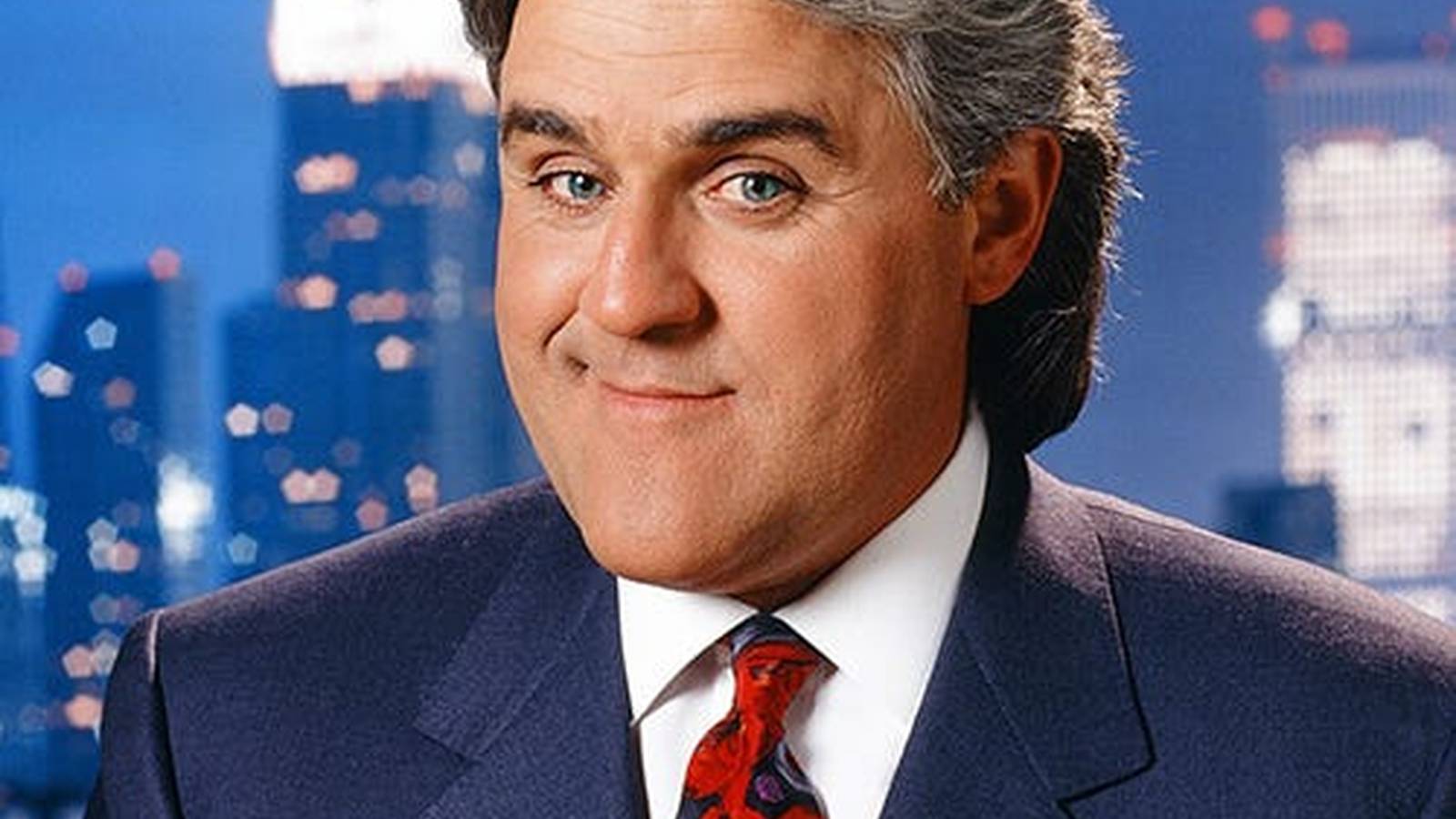
In a world often captivated by fleeting headlines and celebrity dramas, Jay Leno, the iconic comedian and former late-night host, offers a refreshingly profound narrative centered on enduring love and unwavering commitment. Married to Mavis Leno since 1980, Leno has recently spoken candidly about the surprising reactions he’s encountered regarding his steadfast devotion to his wife amidst her battle with dementia. This isn’t just a story about a celebrity; it’s a deeply human account of navigating life’s most challenging vows, juxtaposed with Leno’s equally passionate, albeit very different, commitment to the automotive world.
Mavis Leno, 79, was diagnosed with “dementia, major neurocognitive disorder,” a condition that led Jay to file for conservatorship of her estate in January 2024. This legal step, often misunderstood, is a practical measure to ensure her well-being and financial security as the disease progresses. What has truly astonished Leno, however, is not the medical diagnosis itself, but the public’s perception of his fidelity. During an appearance on the “Life Above the Noise with Maria” show on January 10, Leno recounted a particularly striking question: “So, are you going to get a girlfriend now?”
Love’s Enduring Test: Jay Leno’s Unconventional Vows
Leno, 75, reflected on this query with a mix of bewilderment and quiet resolve. “You take a vow when you get married, and people are stunned,” he told host Maria Shriver, pondering, “Why?” His observation cuts to the core of a societal shift, where unwavering commitment, once the norm, now seems to be an anomaly. “That used to be the norm, and then when you strayed, that was the out-of-whack part,” Leno added, highlighting how much expectations have changed. His words resonate deeply, reminding us of the fundamental promise made “in sickness and in health.”
Dementia, an umbrella term for a collection of cognitive, functional, and behavioral symptoms, manifests primarily through short-term memory loss. Its cruel progression often involves repeating questions, misplacing items, and struggling with daily tasks like managing medications or cooking. Yet, amidst these profound difficulties, Leno finds a peculiar satisfaction. He admits to being surprised by how much he enjoys taking care of his wife. “Changing somebody is not the most romantic thing you can do,” Leno quipped, maintaining his signature humor. “I just find myself going, ‘OK, this is not that bad.’ I enjoy going home. I don’t take the long way home.”
This sentiment reveals a deeper layer of his character. Leno acknowledges that he hasn’t faced many significant trials in his life. “I haven’t really been tested in my life. I wasn’t in the army; I didn’t have to shoot anybody,” he mused, adding, “It’s been easy sailing.” For him, supporting Mavis through this illness is a personal crucible, a test he feels he is “passing.” This profound personal journey stands in stark contrast to the often-glamorized lives of celebrities, offering a raw, honest look at the quiet heroism of everyday caregiving. His story, as reported by USA Today, underscores the idea that true strength often lies in steadfast, loving devotion.
The Golden Age of Muscle Cars: A Different Kind of Passion
While his personal life is marked by quiet devotion, Jay Leno’s public persona remains synonymous with an unbridled passion for automobiles. A true connoisseur, Leno’s enthusiasm for cars, particularly aggressive, high-performance machines, is legendary. On a recent episode of “Jay Leno’s Garage,” he showcased a spectacular example of this passion: a special 1969 Ford Mustang Boss 429 built by Revology. This isn’t just any classic car; it’s a restomod, a perfect fusion of vintage aesthetics and modern engineering.
The Revology Mustang Boss 429 maintains the muscle car’s iconic styling while incorporating contemporary upgrades. Under its hood lies a formidable 5.0L Coyote V8 engine, rated at 710 horsepower, though Revology’s Scarpello suspects it’s even more powerful. The meticulous attention to detail extends to the interior, featuring premium leather surfaces that evoke the craftsmanship of a luxury vehicle. “We think it has the appearance of the ’69 Mustang but the craftsmanship of a 2025 Bentley,” Scarpello stated, as highlighted by Ford Authority. Leno, taking the wheel, enthusiastically proclaimed that the modern era is, in fact, the golden age of muscle cars. He points to builds like this restomodded Mustang Boss 429 as proof, lauding their superior cornering, braking, and overall performance compared to their original counterparts. Leno found the car to “drive very nice,” striking an ideal balance between exhilarating acceleration and stable roadholding ability.
Navigating Dementia: Shared Journeys in the Public Eye
Leno’s experience with Mavis also draws parallels with other public figures navigating the complexities of dementia. Bruce Willis, the 70-year-old Die Hard actor, received a diagnosis of frontotemporal dementia (FTD) in 2023, following an earlier announcement of aphasia. His wife, Emma Heming Willis, has been remarkably open about their family’s journey, offering insights into the challenges and adaptations required. During a recent appearance on the Today show, Heming Willis provided a positive update, stating that Bruce is “doing really well” despite the “unkind disease.”
Her openness extends to discussing difficult decisions, such as Bruce no longer living at home, a choice that drew criticism but was made to protect their daughters, Mabel Ray, 13, and Evelyn Penn, 11, from the daily adjustments necessitated by his condition. As reported by AOL News, Heming Willis has fiercely defended her family’s choices, emphasizing the need to adapt and find joy amidst the changes. “Life goes on. It just goes on. Dementia is hard, but there is still joy in it. I think it’s important that we don’t paint such a negative picture around dementia. We are still laughing. There is still joy. It just looks different,” she shared.
Both the Leno and Willis families exemplify different, yet equally valid, approaches to caregiving. While Emma Heming Willis has become a vocal advocate, sharing their intimate struggles and triumphs, Jay Leno’s narrative highlights a more private, yet profoundly resilient, commitment. Both demonstrate the immense emotional and practical challenges of dementia, but also the enduring power of love and adaptation within families.
The Unseen Strength of Vows and Passions
The juxtaposition of Jay Leno’s steadfast commitment to his wife and his vibrant passion for cutting-edge automotive engineering presents a compelling portrait of a man of diverse and deep commitments. His personal journey with Mavis challenges contemporary notions of marriage and fidelity, quietly asserting that traditional vows still hold profound meaning in the face of adversity. Simultaneously, his boundless enthusiasm for cars, particularly the meticulously crafted restomods, showcases a mind that appreciates both history and innovation, power and precision.
Ultimately, Jay Leno’s story is a powerful reminder that true character is often forged not in the spotlight of success, but in the quiet, unwavering commitment to those we love, and in the pursuit of passions that bring genuine joy and a sense of purpose. His candid reflections on caregiving, coupled with his infectious automotive enthusiasm, paint a picture of a man who understands that life’s greatest rewards often come from navigating its most complex terrains with integrity and an open heart.