


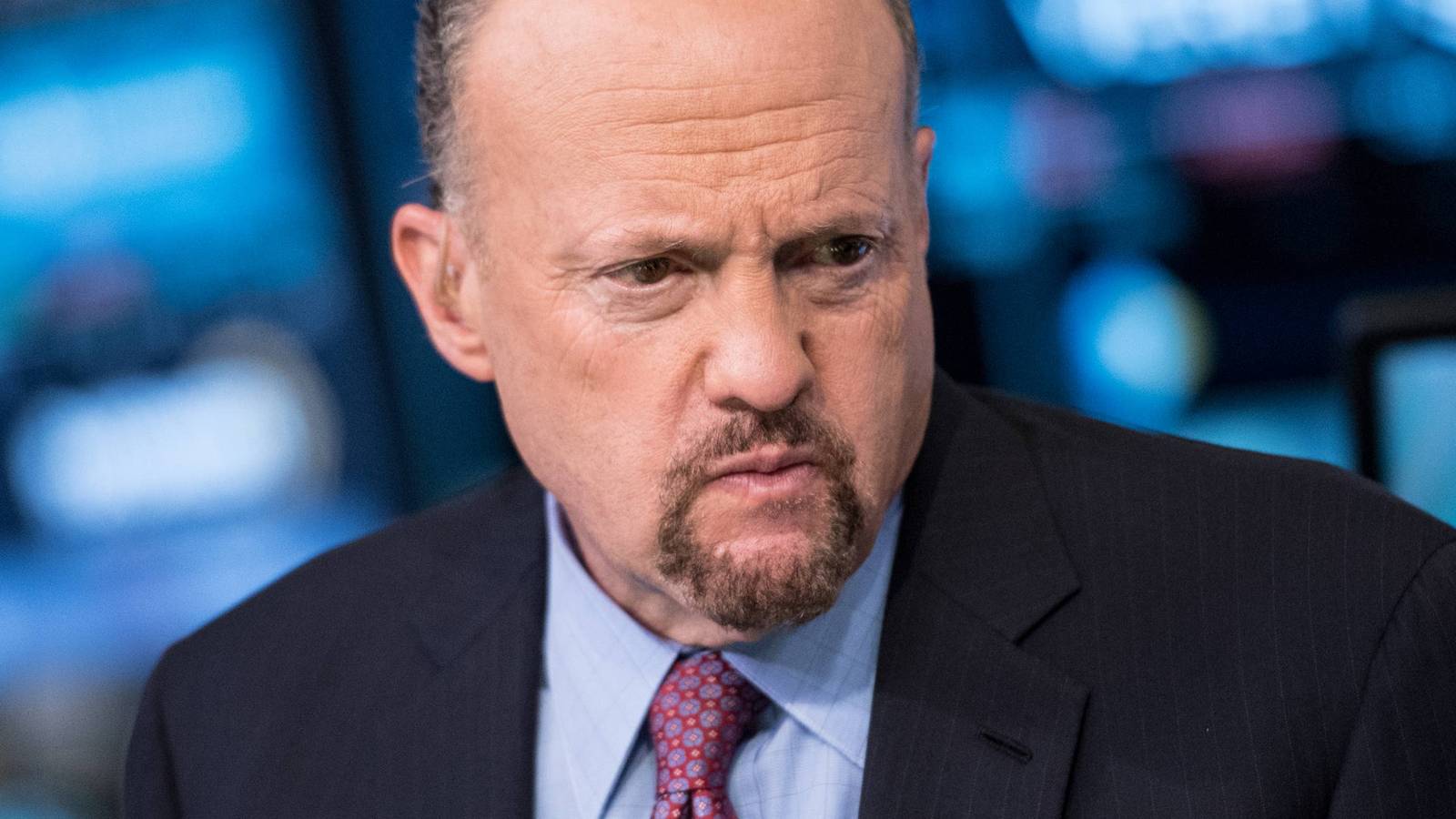
In a series of high-impact market commentaries on CNBC’s Mad Money, financial television personality Jim Cramer has shaken up both the cryptocurrency and technology sectors. In early August 2026, Cramer announced his intentions to liquidate his Bitcoin (BTC) holdings following an eye-opening discussion on quantum computing. Concurrently, he provided a detailed post-mortem on the tech sector’s recent rebound, attributing the market’s relief rally to the dramatic unwinding of a highly leveraged artificial intelligence hedge fund.
The Quantum Threat to Bitcoin’s Encryption
Jim Cramer’s decision to prepare for a total exit from Bitcoin stems from an in-depth interview on his show with IBM Chief Executive Officer Arvind Krishna. During their segment, the two discussed the rapid advancement of quantum computing and its inevitable collision course with modern cryptographic standards. Krishna reportedly emphasized that quantum computing could eventually break the mathematical encryption that currently secures the Bitcoin blockchain, urging investors to remain highly “paranoid” about this systemic threat.
Following the interview, Cramer admitted that Krishna’s technical insights convinced him that the long-term viability of Bitcoin is fundamentally compromised. “Arvind Krishna knows quantum incredibly. He knows Bitcoin and quantum. And I’m going to sell mine,” Cramer declared. While the television host did not specify the exact timeline for his planned liquidation, nor the precise volume of Bitcoin he currently holds, the announcement marks a significant U-turn. Cramer has historically oscillated between crypto skepticism and acceptance, previously selling a portion of his holdings in 2021 to pay off a home mortgage before buying back in during a subsequent market downturn.
Cryptographic experts and blockchain developers note that while a quantum computer capable of cracking SHA-256 encryption is still estimated to be roughly 10 to 15 years away, the threat is driving serious discussions around network upgrades. To survive, the Bitcoin network would eventually need to execute a hard fork to transition to post-quantum cryptography, a process that requires broad consensus among a decentralized global community of miners and developers.
How a Hedge Fund Collapse Cleared the Way for Tech
Shifting his focus to traditional equities, Cramer argued that the recent surge in technology stocks was catalyzed by the collapse of “Situational Awareness,” an AI-centric hedge fund founded by former OpenAI researcher Leopold Aschenbrenner. The fund was forced to rapidly unwind its highly leveraged portfolio after suffering devastating losses, triggering a massive wave of forced selling.
According to Cramer, this liquidation flooded the open market with high-quality shares of artificial intelligence infrastructure and enterprise software companies. This sudden, artificial oversupply drove fundamentally strong stocks far below their intrinsic value. “Once it ended, there were no more forced sellers,” Cramer explained, noting that the removal of this massive overhang allowed the broader market to rebound sharply.
Cramer pointed to enterprise software as the primary beneficiary of this dynamic. For much of 2026, institutional capital had aggressively favored hardware-centric AI infrastructure while heavily shorting software firms over pricing-power concerns. The forced liquidation of Situational Awareness effectively exhausted the selling pressure, sparking what Cramer termed an “avalanche” of buybacks and a sector-wide rally. “So much of tech, freed of the forced sales, goes ever higher,” Cramer said, dryly adding, “We all owe Leopold Aschenbrenner a gigantic ocean of thanks. This is his rally. Too bad he didn’t get to enjoy it.”
Navigating a Punitive 2026 Market
These dual narratives reflect Cramer’s broader, highly cautious playbook for the second half of 2026. Earlier in the year, Cramer warned that the current macroeconomic environment is far more punitive than the dot-com bubble of 1999, characterized by rapid institutional liquidations and intense volatility. By exiting highly speculative digital assets like Bitcoin and focusing on fundamentally sound technology companies post-liquidation, Cramer is signaling a defensive shift toward high-conviction, liquid equities. Investors closely monitoring the CNBC Investing Club will be watching to see how quickly Cramer executes his Bitcoin exit and which enterprise software names he accumulates as the post-liquidation rally matures.