


A Tactical Victory Amid Escalating Violence
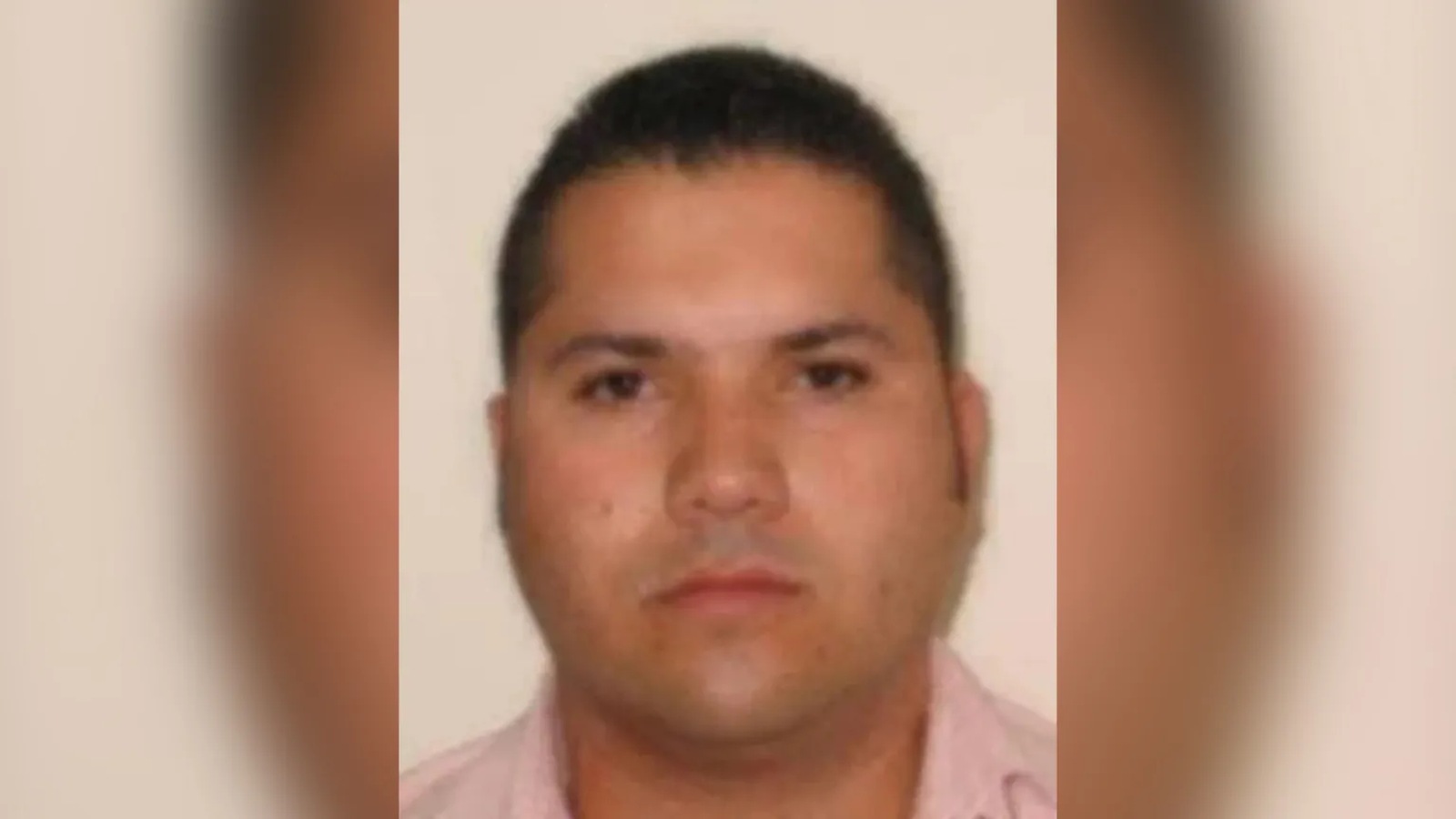
On November 20, 2026, Mexican special forces captured Fausto Isidro Meza Flores, a high-ranking drug lord known as “El Chapo Isidro,” during a high-stakes operation in Guasave, Sinaloa. The arrest, which targeted one of the FBI’s 10 most wanted fugitives, relied on intelligence provided by U.S. agencies. While the operation successfully detained Meza Flores and two of his top lieutenants, it immediately triggered a violent, widespread retaliation from cartel elements that has paralyzed large parts of the region.
The operation resulted in significant casualties on both sides. Mexico’s defense secretariat reported that seven suspects associated with the Meza Flores Organization were killed during the shoot-out. Tragically, four members of the Mexican army were also killed while attempting to reinforce the security perimeter in Guasave. The violence quickly spilled over into public spaces, with viral footage showing helicopters firing on targets and civilians fleeing a local baseball stadium to escape the crossfire. The U.S. Consulate General in Hermosillo has since issued warnings regarding ongoing armed clashes, vehicle fires, and road blockades in Ahome, Guamúchil, Guasave, and Navolato, advising citizens to shelter in place as the security situation remains volatile.
The Fragility of Regional Stability
The capture of Meza Flores marks a critical turning point in the security landscape of Sinaloa. For years, the “El Chapo Isidro” organization has operated as a significant force, allegedly flooding the U.S. with fentanyl, cocaine, and heroin. However, the immediate aftermath of his arrest underscores the inherent fragility of dismantling such deep-rooted criminal structures. The violent response from the cartel serves as a stark reminder that removing a kingpin does not automatically translate to a reduction in regional conflict; rather, it often precipitates a power vacuum and aggressive retaliatory measures against both state forces and civilian infrastructure.
This development arrives at a delicate moment for Mexico-U.S. relations. President Donald Trump has consistently pressured the Mexican government to take more aggressive, visible action against drug cartels as part of his border security agenda. While President Claudia Sheinbaum has sought to maintain a policy of sovereign control—resisting direct U.S. boots on the ground while accepting intelligence cooperation—the intensity of this operation suggests a shift toward more direct collaboration. The success of the raid, facilitated by U.S. intelligence, is a tangible sign of this evolving diplomatic and security partnership, but the subsequent chaos poses a significant political test for the Sheinbaum administration.
The Long Path to Extradition
Meza Flores, 44, has been a central figure in the drug trade since the 1990s, initially rising through the ranks of the Beltrán Leyva Organization. Following a violent split, he established his own cartel, which has engaged in a protracted, brutal turf war with the Sinaloa Cartel. Charged in the U.S. with conspiracy to distribute large quantities of illicit drugs, he was added to the FBI’s most-wanted list in 2025 following reports linking his organization to the seizure of 20 million fentanyl pills. His transfer to Mexico City for prosecution is now the primary procedural focus, though the U.S. is actively seeking his extradition to face charges in federal court.
As the regional security situation stabilizes, the focus will shift to how the Mexican government manages the power vacuum created by the arrest of Meza Flores, his cousin (the second-in-command), and his brother-in-law (the financial operator). The ability to contain the current wave of violence will determine the long-term effectiveness of this tactical success in the broader effort to curb transnational organized crime.
Reporting source: bbc.com.