


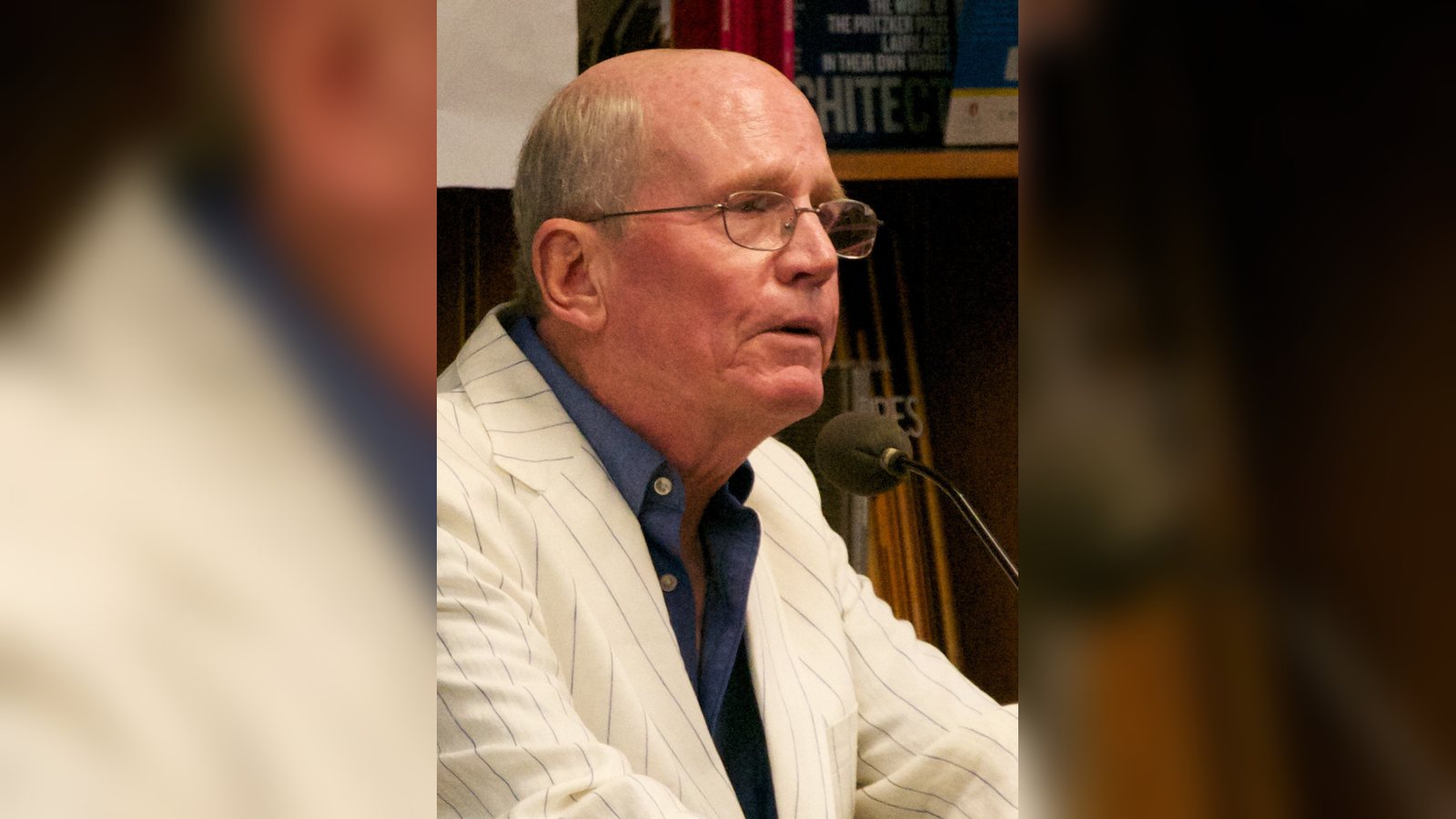
An Uncompromising Voice in American Letters
Jonathan Yardley, whose uncompromising reviews and three-decade tenure at The Washington Post defined a major era of American literary criticism, died on November 20, 2026, in Washington, D.C., at the age of 87. Reported by People Forever and Obituary Oasis, his death closes a remarkable chapter in cultural journalism defined by roughly 3,000 published reviews and an unwavering conviction that frank evaluation mattered more than polite consensus.
Yardley won the Pulitzer Prize for Criticism in 1981 while working for The Washington Star. When that publication folded later that same year, he moved to The Washington Post as a book critic and columnist. Over the next 33 years, he built a reputation as a demanding gatekeeper who viewed unsparing critique as a vital service to readers and authors alike, famously asserting that uncritical praise could often prove dull and uninstructive.
Shaping Careers and Reviving Neglected Classics
Beyond his formidable reputation for skewering unworthy texts, Yardley functioned as a crucial starmaker for contemporary fiction. Throughout his tenure, he championed writers early in their trajectories who would go on to reshape modern American literature, including Michael Chabon, Anne Tyler, Edward P. Jones, William Boyd, and John Berendt. His advocacy often provided crucial momentum for emerging literary voices.
In 2003, Yardley launched "Second Reading," a sustained series of essays for The Washington Post that reconsidered nearly 100 notable or overlooked books from the past. This ambitious project included a famously contentious and sharply critical reassessment of J.D. Salinger’s The Catcher in the Rye. The series was later compiled and published as a standalone book in 2011, cementing his enduring engagement with the broader literary canon.
A Storied Journalistic Lineage and Legacy
Born in Pittsburgh, Pennsylvania, on October 27, 1939, Yardley grew up in Chatham, Virginia, the son of an Episcopal minister and educator. He studied at the University of North Carolina at Chapel Hill, where he edited the student newspaper, The Daily Tar Heel, in 1961. After an internship assisting James Reston at The New York Times, he worked at the Greensboro Daily News, completed a Nieman Fellowship at Harvard University, and served as book editor for The Miami Herald before his tenure in Washington.
In addition to his journalism, Yardley wrote biographies of Ring Lardner and Frederick Exley, a family memoir titled Our Kind of People, and edited a posthumous memoir by H.L. Mencken. He was married three times, with his third marriage to fellow author and former Book World editor Marie Arana. His sons from his first marriage, Jim and William Yardley, both became journalists for The New York Times; Jim’s own Pulitzer Prize made them one of only two father-and-son pairs to have earned the distinction.
The Evolution of Cultural Authority
As cultural journalism underwent massive digital transformations over his decades-long career, Yardley maintained a steadfast commitment to long-form, deeply considered criticism. His approach was rooted in a foundational belief that literature demanded rigorous intellectual engagement rather than passive celebration. Reviewing thousands of books across multiple distinguished publications, he established standards of accountability that influenced generations of writers and editors.
His analytical perspective also extended into his biographical works and essays, where he frequently examined the complex intersections of American identity, regionalism, and literary ambition. Whether reassessing the works of established literary figures or introducing readers to overlooked contemporary voices, Yardley approached each manuscript with identical seriousness. This unwavering dedication ensured that his column remained required reading for anyone invested in the trajectory of modern fiction, securing his lasting stature in the history of American letters.