


AMMAN (Azat TV) – Jordanian air defense systems successfully intercepted two ballistic missiles targeting the kingdom’s territory on Saturday, February 28, 2026, as a wider conflict escalated between Iran, the United States, and Israel. The interceptions prevented casualties, though falling debris caused material damage across several governorates, signaling the broadening geographic scope of the regional confrontation.
A Jordanian military official confirmed the successful interception of the missiles, which were identified as targeting the kingdom. The Jordanian Public Security Directorate later released a statement indicating that while there were no casualties, debris from the intercepted projectiles resulted in material damage. Civil defense and police personnel responded to a dozen reports of falling objects and debris in the capital Amman, as well as in Zarqa, Jerash, Madaba, and Irbid governorates between Saturday morning and 2 p.m. local time (1100 GMT), according to reports from AFP.
Jordan’s Air Defense Intercepts Missiles
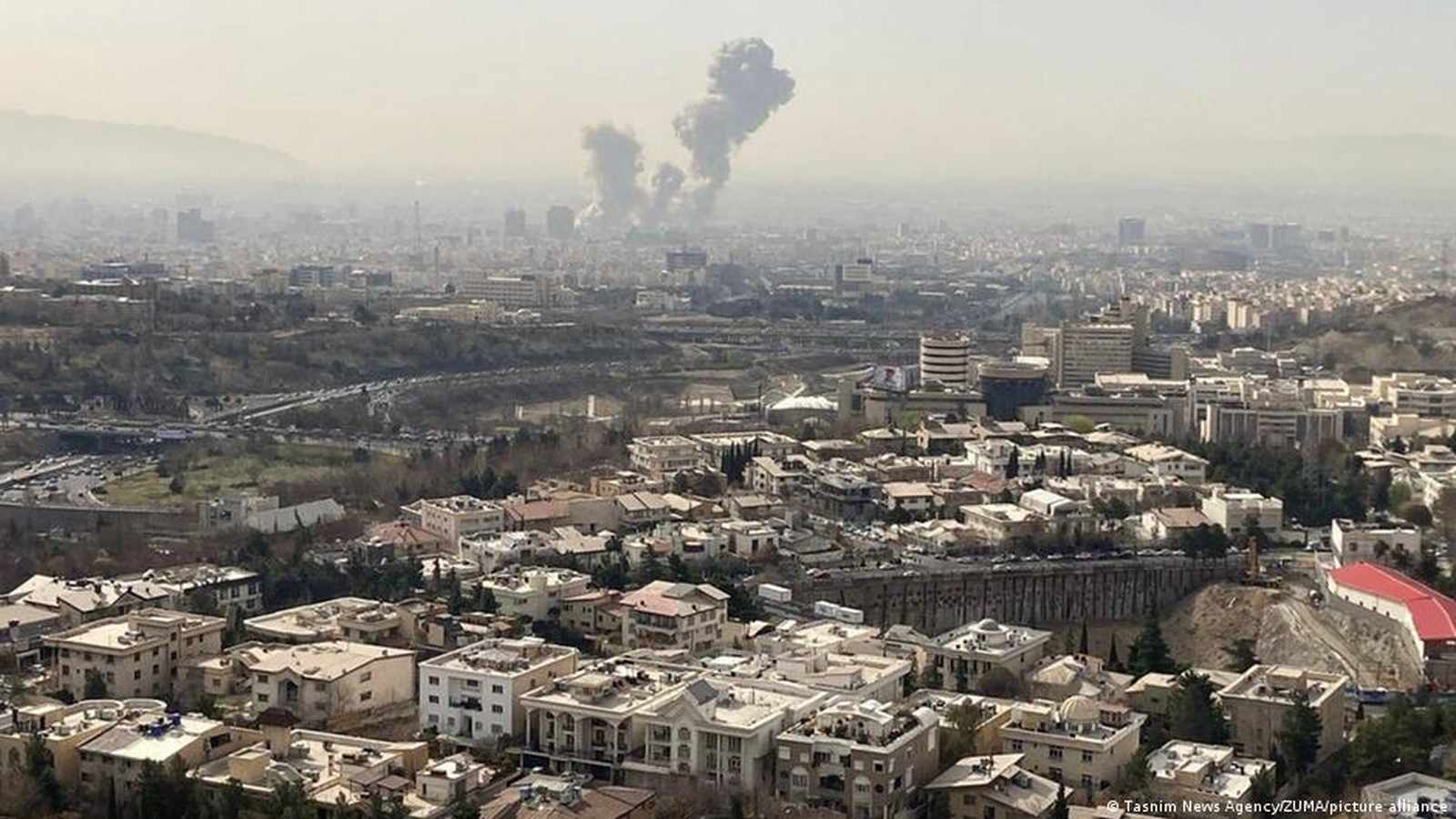
The incident in Jordan unfolded amid a significant escalation of military actions across the Middle East. Earlier on Saturday, the United States and Israel launched what they described as ‘major combat operations’ and ‘preemptive strikes’ against Iran, with explosions reported across Tehran and other Iranian cities. These actions, which Israeli officials named Operation ‘Lion’s Roar,’ were reportedly aimed at dismantling Iran’s missile and military infrastructure and were planned for months in coordination with Washington, according to Iran International.
In retaliation, Iran’s Revolutionary Guard Corps (IRGC) confirmed it was targeting several US facilities in the region. The IRGC stated that its missiles and drones struck the headquarters of the US Navy’s 5th Fleet in Bahrain, as well as American bases in Qatar and the United Arab Emirates. Crucially, Saudi Arabia’s Foreign Ministry strongly condemned what it described as Iranian strikes on US military targets in the United Arab Emirates, Bahrain, Qatar, Kuwait, and Jordan, underscoring the regional nature of Iran’s retaliatory actions and explicitly naming Jordan as a target.
Regional Escalation Amid US-Israel-Iran Conflict
The broader conflict has sent shockwaves across the Middle East. The United Arab Emirates, Qatar, and Kuwait also reported intercepting Iranian ballistic missiles targeting their territories, with Abu Dhabi condemning the attacks as a ‘dangerous escalation’ and reserving its right to respond. Reports from DW indicated one death in the United Arab Emirates as a result of these strikes.
The US-Israel strikes on Iran reportedly targeted high-value objectives, including the office complex of Supreme Leader Ayatollah Ali Khamenei in central Tehran, although Iranian officials cited by Reuters stated Khamenei was not at the location during the strike. The operation also reportedly targeted President Masoud Pezeshkian. The intensity of the attacks led Iran’s Civil Aviation Organization to close the country’s airspace for six hours, and internet connectivity dropped significantly, according to NetBlocks.
International Calls for Restraint
The international community has reacted with alarm to the escalating hostilities. Russia’s Foreign Ministry urged an immediate halt to US and Israeli strikes, calling them ‘a pre-planned and unprovoked act of armed aggression’ and advocating for a political and diplomatic settlement. Similarly, the European Union’s top diplomat, Kaja Kallas, described the situation as ‘perilous’ and called for the protection of civilians and adherence to international humanitarian law. European Commission President Ursula von der Leyen echoed calls for ‘maximum restraint.’
Indonesia’s President Prabowo Subianto offered to mediate between Washington and Tehran, emphasizing the importance of dialogue and diplomacy. Meanwhile, the heightened security situation led to widespread flight cancellations across the Middle East, with major carriers like Lufthansa, Air India, Air France, and British Airways suspending services and rerouting flights to avoid affected airspaces. The direct involvement of Jordan’s air defenses in intercepting missiles highlights how rapidly the conflict is drawing in neighboring states, underscoring the profound regional instability.
The successful interception of ballistic missiles by Jordan’s air defenses underscores the immediate and tangible spillover effects of the escalating US-Israel-Iran conflict, demonstrating the critical need for regional states to maintain robust defensive capabilities against wider aggression.