


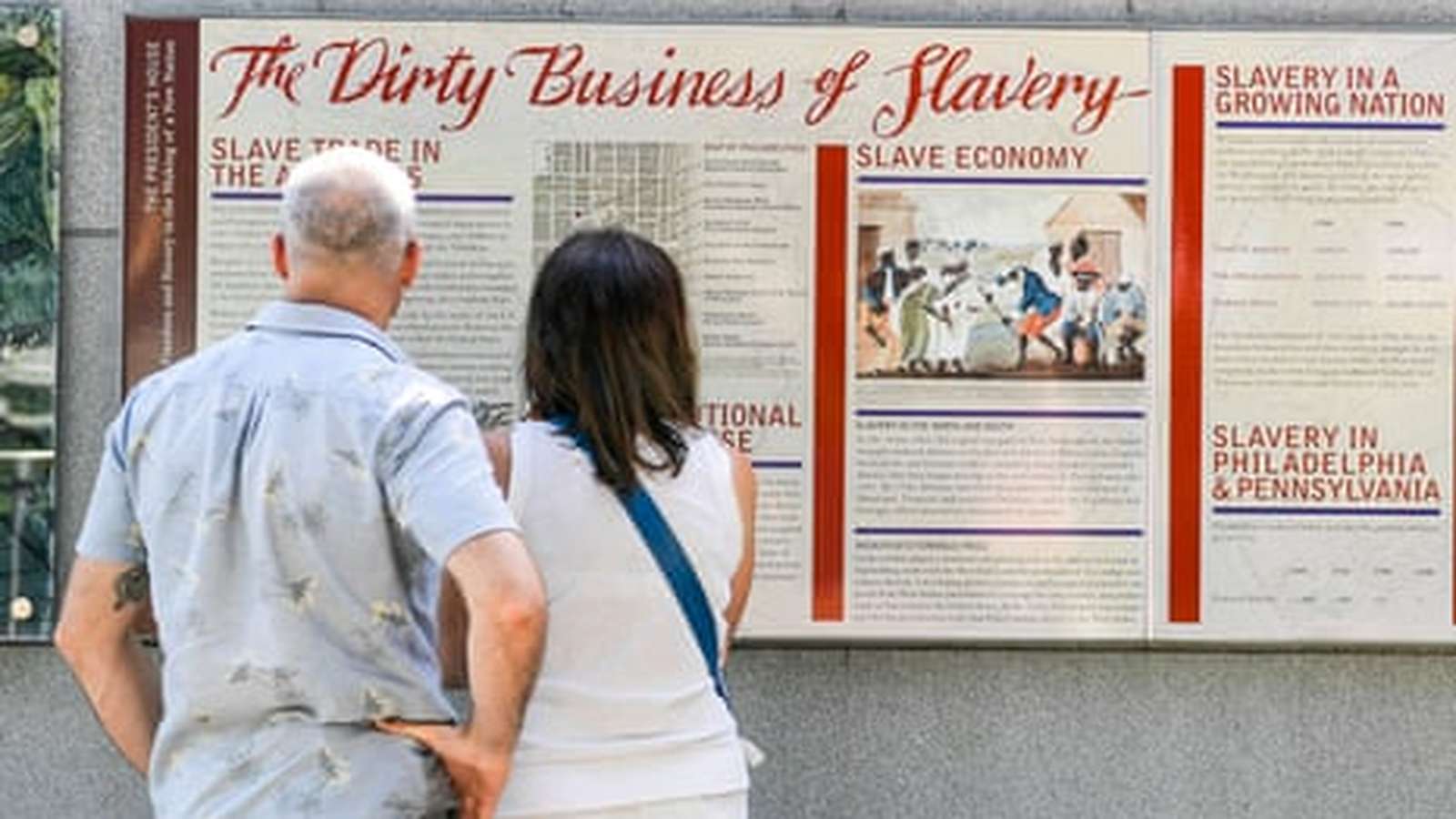
A federal judge in Boston has issued a preliminary injunction requiring the U.S. government to reinstall dozens of historical and scientific exhibits removed from national parks under a directive from the Trump administration. U.S. District Judge Angel Kelley ruled on June 12, 2026, that the Interior Department’s removal of materials related to slavery, civil rights, and climate change lacked the necessary authorization under federal law.
The Legal Conflict
The lawsuit was brought by several organizations, including the National Parks Conservation Association and the American Association for State and Local History. Plaintiffs argued that the administration’s actions violated the National Park Service Organic Act and other mandates governing the management of 433 national park sites. Judge Kelley, appointed by President Joe Biden, sided with the plaintiffs, stating that the government cannot “faithfully” tell the nation’s history while excluding the experiences of communities whose struggles form a critical part of the American narrative.
The ruling targets the “Restoring Truth and Reason in American History” executive order signed by President Trump in March 2025. The order sought to review and remove materials that allegedly portrayed the U.S. in a “negative light” or promoted what the administration termed a “revisionist” or “corrosive” view of history.
Implications for Public History
The court’s decision mandates that all affected monuments, plaques, and exhibits be restored within 21 days, just ahead of the 250th anniversary of American independence. Among the items previously removed were displays at Philadelphia’s Independence National Historical Park, which detailed the ownership of enslaved people by George Washington, and climate-related signage at South Carolina’s Fort Sumter.
The Interior Department has criticized the ruling, labeling Judge Kelley a “liberal activist judge” and signaling intent to appeal. However, the decision represents a significant check on executive authority over public historical representation. By emphasizing that national parks must preserve the “full American story,” the court has reaffirmed the role of these institutions as spaces for objective historical inquiry rather than sites for partisan narrative management.