


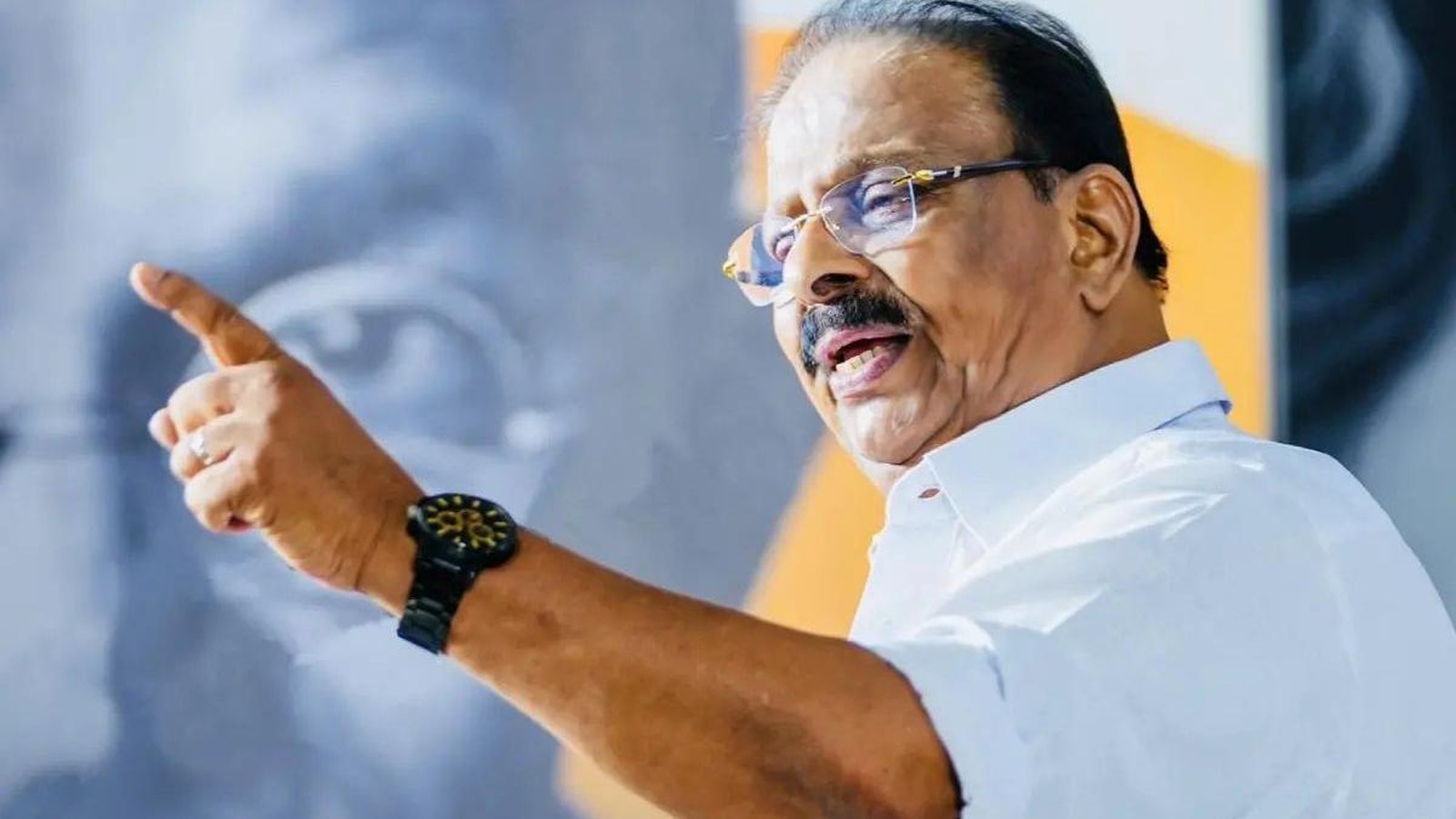
NEW DELHI (Azat TV) – Senior Congress leader and Kannur Member of Parliament K. Sudhakaran is reportedly exploring the formation of a new political party following a definitive break with the Congress high command on March 18, 2026. The rift centers on the party’s recent decision to bar all sitting MPs from contesting in the upcoming Kerala state assembly elections, a directive that effectively blocked Sudhakaran’s candidacy for the Kannur seat.
Impact of the Congress Candidate Row on Malabar
The decision by the All India Congress Committee (AICC) to prioritize organizational consistency over the presence of established parliamentarians in local polls has triggered significant internal friction. Sources indicate that Sudhakaran, a prominent figure in the Malabar region, remained steadfast in his demand for a ticket during high-level discussions with party general secretary K.C. Venugopal. Following the party’s refusal to grant an exception, the leadership has moved to nominate former Kannur corporation mayor T.O. Mohanan for the constituency, leaving Sudhakaran’s future within the party in doubt.
Political Stakes for the UDF in Kerala
The potential departure of a leader of Sudhakaran’s stature poses a substantial threat to the United Democratic Front (UDF) in the upcoming assembly cycle. Political analysts suggest that a splinter group or an independent run by the Kannur MP could fracture the anti-incumbency vote, undermining the coalition’s broader efforts to unseat the current administration. While senior leaders, including A.K. Antony, have publicly urged dissenters to prioritize the collective goal of ensuring an LDF defeat, the intensity of the current friction suggests that the party’s internal cohesion in Northern Kerala is under severe strain.
Shifting Alliances Ahead of Assembly Polls
The situation remains fluid as supporters of the veteran leader assess their options. Should Sudhakaran proceed with establishing a new platform, it would represent one of the most significant internal challenges to the Kerala Congress in recent years. The move mirrors a broader trend of political realignment in the state, where individual candidate aspirations are increasingly clashing with top-down mandates from the national leadership. As the election date approaches, the focus remains on whether mediation efforts can mitigate the fallout or if the party will face a fragmented contest in its traditional strongholds.
The potential emergence of a new political entity led by a sitting MP underscores a critical failure in the Congress party’s internal conflict resolution mechanisms, threatening to alienate key regional power brokers at a moment when electoral unity is essential for the UDF’s prospects.