


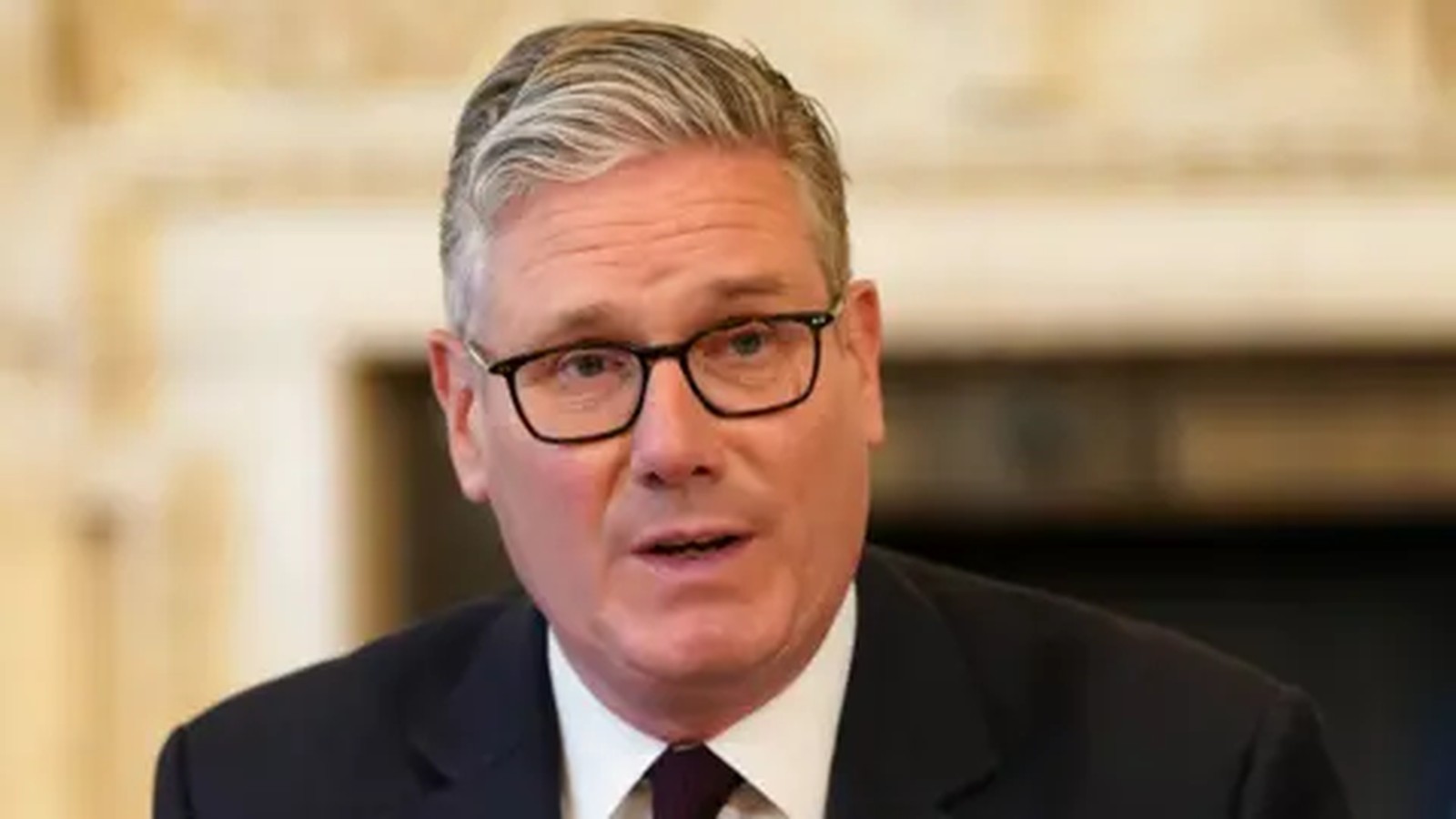
Former British Prime Minister Sir Keir Starmer announced on Tuesday, September 1, 2026, that he is standing down as a Member of Parliament for Holborn and St Pancras, ending an eleven-year tenure representing the central London constituency to focus on international diplomacy and advocacy work.
The surprise decision comes just weeks after Starmer stepped down from Downing Street in July following mounting pressure from Labour lawmakers. Although he had previously signaled an intention to remain in the House of Commons until the next UK general election scheduled for 2029, Starmer confirmed his departure in an interview with the Camden New Journal, stating that the time was right to pass the baton to a new representative.
This report draws on information published by BBC.
Refocusing on International Policy and Advocacy
Explaining his decision, Starmer outlined a future career trajectory centered on global security, defense, trade, and technology policy, alongside ongoing commitments to social justice initiatives.
“I will now focus on other things and that will be international affairs including defence, security, trade and technology in a fast-changing world,” Starmer stated. He added that he will also maintain his long-standing work focused on combating violence against women and girls, an issue he championed prior to his entry into parliamentary politics in 2015.
The announcement coincided with the Parliamentary debut of his successor as Prime Minister, Andy Burnham, who paid tribute to Starmer in the House of Commons. Burnham commended Starmer’s diplomatic leadership during the war in Ukraine and highlighted his government’s work drafting the Hillsborough Law to enhance public official accountability.
“His leadership took our party from one of its worst defeats to its best victories and created a platform to change this country for the better,” Burnham said during his first parliamentary appearance as Prime Minister.
By-Election Triggered in London Stronghold
Starmer’s formal resignation will take effect once the UK government grants him a crown appointment—a procedural prerequisite required to disqualify a sitting MP from the House of Commons. Once finalized, the resignation will officially trigger a by-election in Holborn and St Pancras.
The central London seat has long been considered a safe haven for the Labour Party. In the 2024 general election, Starmer secured the constituency with a majority of more than 11,000 votes. However, recent local electoral data suggests a shifting competitive landscape. In municipal ward contests across the constituency earlier this year, Labour captured 39.5% of the vote, while the Green Party established itself as the primary challenger with 29.8%.
Labour expects to complete candidate selection for the upcoming contest by September 9. Meanwhile, the Green Party hinted that its co-leader Zack Polanski, currently a member of the London Assembly, is weighing a potential parliamentary run in the seat.
Political Criticism and Historical Precedent
Opponents seized on the announcement to criticize Starmer’s sudden departure. Conservative Party Chairman Kevin Hollinrake accused the former prime minister of breaking his promise to stay in Parliament, arguing that the decision imposes an unnecessary financial burden on taxpayers through a forced by-election. Conservative Leader Kemi Badenoch offered formal well-wishes while noting the strained internal dynamics within Labour that preceded Starmer’s exit from Downing Street.
Starmer’s decision to exit the Commons so quickly after leaving 10 Downing Street marks a notable divergence from recent parliamentary norms. While previous Conservative prime ministers David Cameron and Boris Johnson left Parliament relatively soon after leaving office, Theresa May remained an MP for five years after resigning, and Rishi Sunak continues to serve as a backbench MP for Richmond and Northallerton following his 2024 election defeat.
With formal formal procedures underway, the focus now shifts to Labour’s internal selection process and the timeline for the Holborn and St Pancras by-election, which will offer an early national indicator of voter sentiment under Burnham’s new administration.