


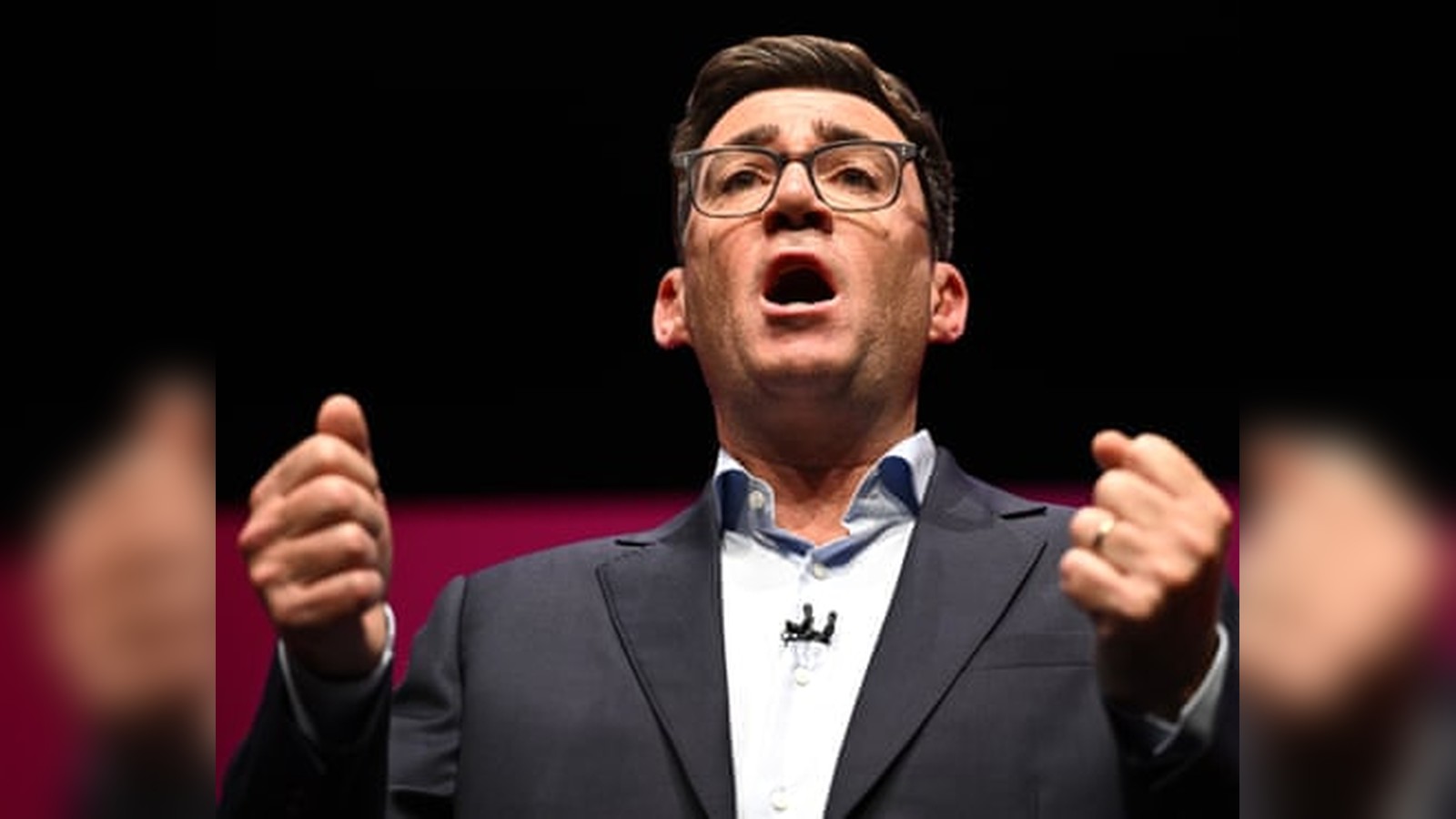
Speaking to delegates in Liverpool, Burnham argued that the United Kingdom required a “fundamental rethink” to reverse decades of economic stagnation. According to Al Jazeera, the prime minister declared that he was ready to make a clean break with the policy direction of the past 40 years, stating that “more of the same isn’t good enough” for a public dealing with high living costs and strained infrastructure.
Public Services and Social Care
At the core of Burnham’s speech was a commitment to establish a National Care Service designed to be free at the point of use. The prime minister emphasized that the new care framework would focus on people rather than profit, ensuring proper recognition for care workers while protecting older and disabled citizens from depleting their savings.
Charities warmly welcomed the social care commitments, noting that a progressive system was long overdue after years of delay, according to live reporting by The Guardian. However, fiscal analysts and commentators raised questions about how the government intends to fund the extensive program ahead of its first budget announcement in late October.
Pensions and Economic Reform
Burnham also addressed the contentious “pension triple lock,” confirming that adjustments would be introduced by April 2030 following the next general election. He assured delegates that low-income pensioners would be shielded from income tax during the current parliamentary term and that state pension increases would continue to reflect national prosperity.
The economic context remains challenging. Official data cited by Al Jazeera shows that UK annual consumer price inflation reached 3.1 percent in the 12 months leading up to August, placing considerable pressure on the newly established administration as it prepares its autumn budget.
Electoral Reform and Political Trust
In a notable nod to democratic reform, Burnham announced plans to establish a commission on electoral reform and incorporate a form of proportional representation into the party’s next manifesto for the circa 2029 general election. Electoral reform groups, including the Electoral Reform Society and Unlock Democracy, praised the move as an essential step toward rebuilding public trust.
At the same time, the proposal drew immediate political friction. Scottish First Minister John Swinney accused Burnham of repeating past policy missteps regarding pensioners, while Green Party figures argued that the voting system overhaul should be implemented immediately rather than delayed through a commission.