


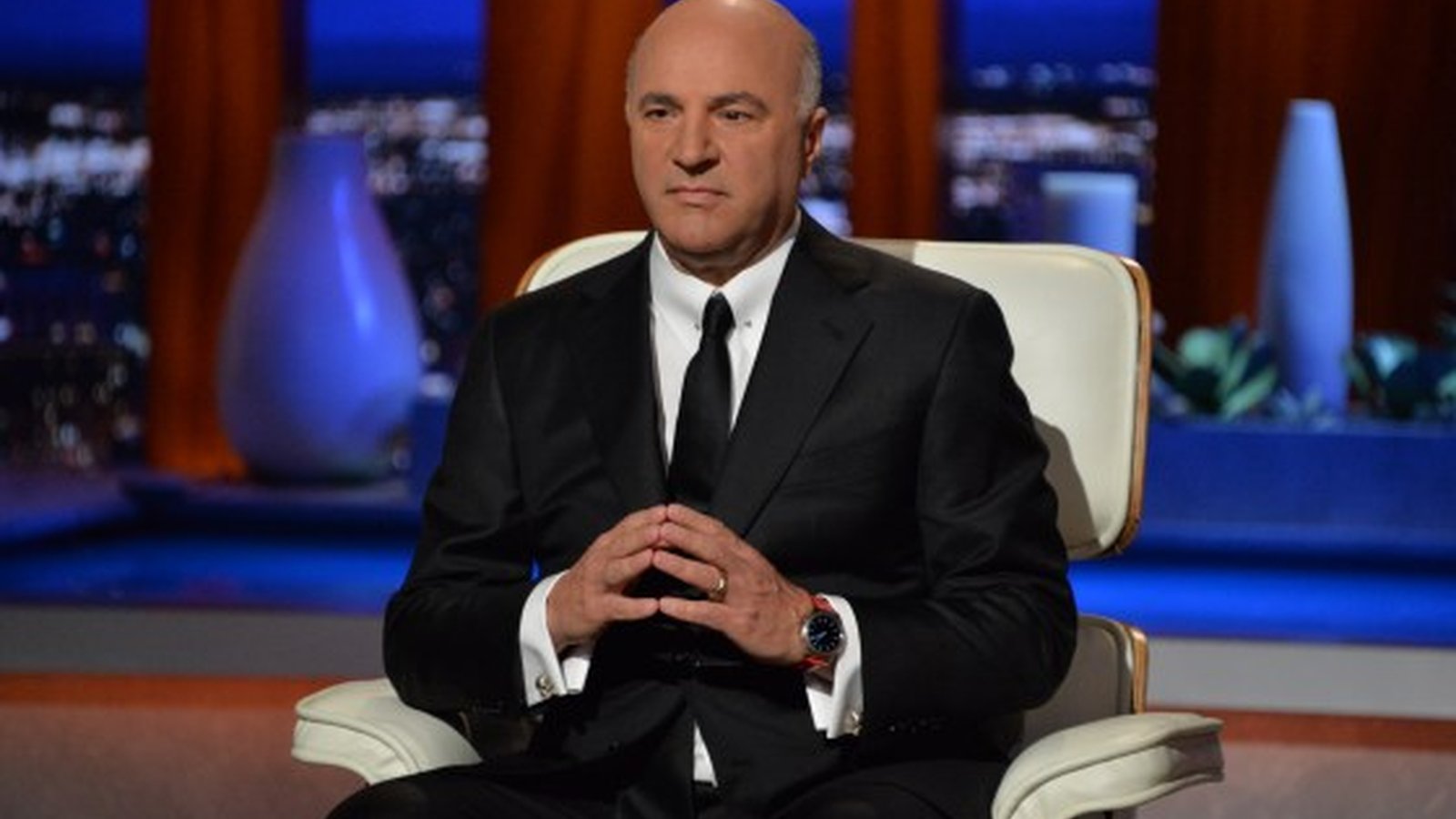
YEREVAN (Azat TV) – Canadian entrepreneur and television personality Kevin O’Leary’s widely discussed financial advice for retiring on $500,000 is drawing renewed attention, as financial analysts scrutinize its feasibility against the backdrop of mid-2026 market conditions. O’Leary’s strategy, which emphasizes living off a steady 5% return without touching the principal, offers a compelling vision of financial security but faces significant challenges from current interest rates and persistent inflation.
O’Leary’s core principle is elegantly simple: a $500,000 investment generating a consistent 5% annual return would provide $25,000 in yearly income. This approach, often lauded for its psychological appeal, promises to eliminate the anxiety of running out of money, mitigate sequence-of-returns risk, and allow for a lasting legacy. For many, this level of income, representing roughly 37% of the per capita disposable personal income reported in Q3 2025, presents a viable retirement option.
The Yield Challenge to O’Leary’s Retirement Rule
However, the practical application of O’Leary’s rule hinges entirely on the ability to achieve a reliable 5% return from relatively safe assets. As of mid-February 2026, this critical threshold proves difficult to meet. The 10-year Treasury yield, a benchmark for low-risk investments, hovers around 4.1% to 4.2%, falling short of the required 5%. Similarly, high-quality dividend exchange-traded funds (ETFs) are currently yielding approximately 3.3% to 3.8%, depending on the specific fund and market pricing, which translates to an annual income of roughly $16,500 to $19,000 on a $500,000 portfolio. This figure is significantly below O’Leary’s $25,000 target. To reach the desired income, retirees would need to accept lower returns or introduce meaningful market risk into their portfolios, thereby eroding the psychological promise of a ‘safe’ income stream.
Inflation’s Erosion of Purchasing Power
Even if a retiree could successfully lock in a $25,000 annual income, the reality of inflation presents another formidable obstacle. Core Consumer Price Index (CPI) is currently running near 2.5% year over year. At this rate, maintaining the purchasing power of today’s $25,000 would necessitate approximately $41,000 in income within 20 years. A strict ‘never touch principal’ approach, by design, offers no mechanism for income growth. Unless market yields increase substantially and remain elevated, retirees adhering strictly to this rule would effectively experience a gradual decline in their lifestyle over time due to the steady erosion of their purchasing power.
Considering the Opportunity Cost
Beyond the immediate financial mechanics, O’Leary’s philosophy of preserving principal at all costs raises a philosophical question about the opportunity cost. While financial prudence is paramount, an overly rigid income-only rule can inadvertently lead to underspending during the healthiest and most active years of retirement. This approach may result in years of forgone experiences and a missed opportunity to optimize lifetime consumption under uncertainty. The goal of retirement planning, many experts argue, should be to balance longevity risk with quality-of-life risk, ensuring that assets support a fulfilling lifestyle throughout retirement, not just indefinite preservation.
While Kevin O’Leary’s core insights – to generate income, spend conservatively, and avoid unnecessary risk – remain valuable, the current economic environment of mid-2026 suggests that his specific $500,000 retirement rule, relying on a fixed 5% yield without principal drawdown, is more challenging to implement in practice than its simple arithmetic implies.