


Diplomatic Tension on the Final Leg in Antigua
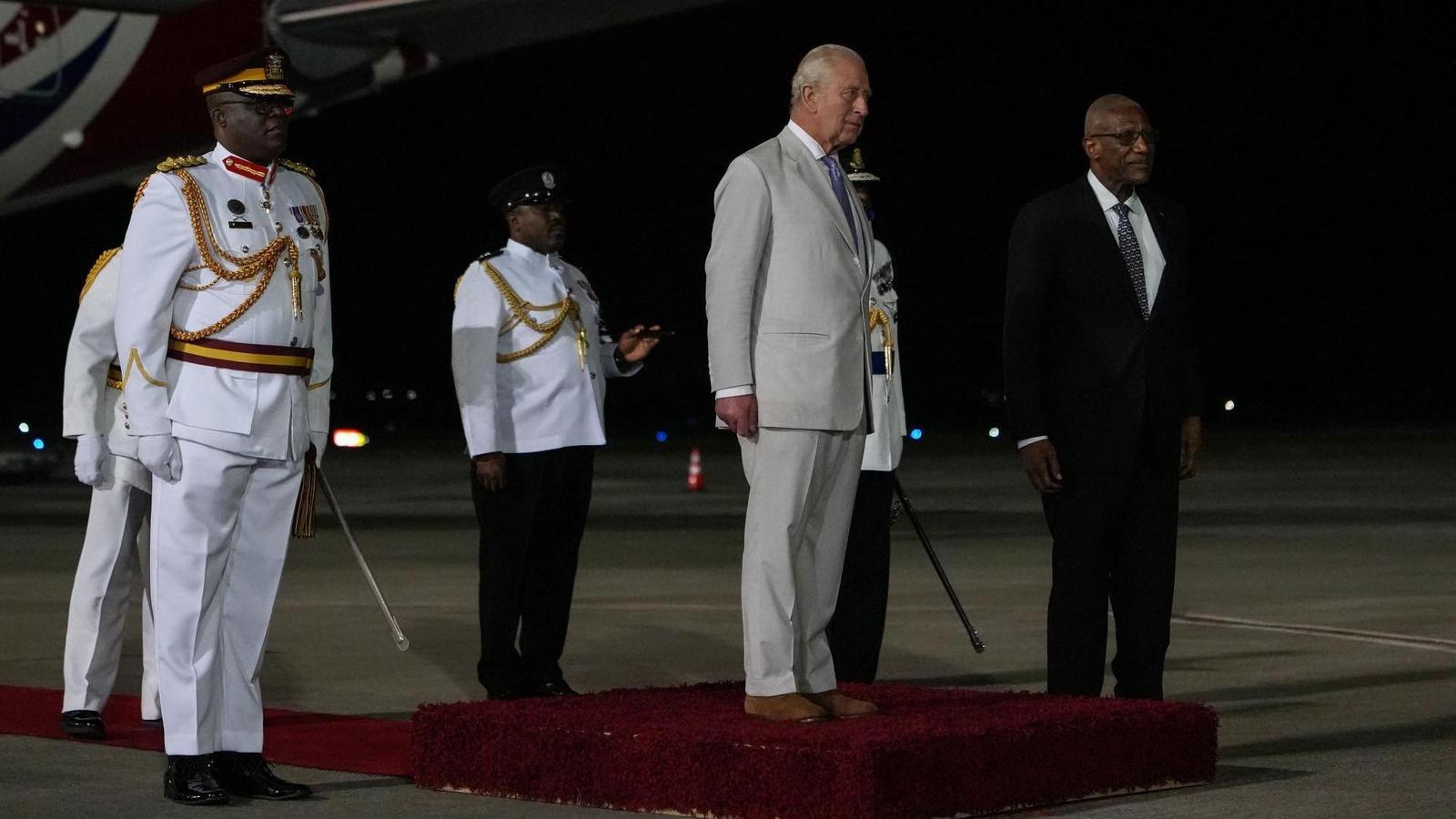
King Charles III is scheduled to address Commonwealth leaders on Tuesday during the Commonwealth Heads of Government Meeting (CHOGM) in Antigua, touching upon the transatlantic slave trade with what Buckingham Palace has described as “unflinching honesty” and “sincere sorrow,” AOL reported on October 31, 2026. The address marks the culminating engagement of the King’s nine-day Caribbean tour, which has placed the monarch at the center of intense regional debates regarding Britain’s colonial legacy and growing demands for formal apologies and reparations across member states.
The upcoming speech follows recent remarks by Prime Minister Andy Burnham, who indicated an openness to a formal UK apology for the nation’s historical role in slavery. Burnham described the transatlantic slave trade as a “brutal and barbaric violation” in an opinion piece published on Friday night, signaling a potential shift from previous government policy. Palace officials noted that while they were informed of the prime minister’s comments in advance, the King made no alterations to his prepared remarks, maintaining the constitutional boundary that matters of official policy and apologies remain the responsibility of the government rather than the Crown.
Navigating the Colonial Legacy Across the Region
The Caribbean tour has subjected King Charles to complex diplomatic negotiations across multiple stops. On his opening visit to the Bahamas, the monarch delivered a speech acknowledging the region’s culture was born out of darkness and that it was “only right” to recognize past suffering. In Guyana, he visited a historical site associated with a slave rebellion where hundreds of enslaved people were killed, engaging directly with the physical history of colonial rule.
Royal aides emphasized that the King is well-practised in balancing delicate diplomatic relations, viewing his role as advocating for Britain, the Realms, and the wider Commonwealth. A spokesperson noted that while global institutions face mounting strain, the 56-member Commonwealth retains the scale and personal connectivity necessary for leaders to cooperate effectively and address shared historical challenges.
Broader Context and Institutional Pressures
The diplomatic tour unfolds against a backdrop of domestic and personal challenges for the British monarch. King Charles is concurrently undergoing ongoing treatment for cancer, following a diagnosis in early 2024, with palace officials characterizing his health trajectory as positive as he approaches his 78th birthday. Alongside health considerations, the institution has navigated recent public scrutiny surrounding royal family matters, including inquiries regarding the Duke of Sussex and developments involving other family members.
Despite these pressures, the King has maintained a rigorous public schedule, completing approximately 36 engagements over the course of the nine-day regional itinerary. As leaders gather in Antigua for CHOGM, the intersection of the monarch’s scheduled address and evolving government positions on historical accountability will shape diplomatic discussions across the Commonwealth.
Deepening Analytical Perspectives on Royal Complicity
Beyond immediate speech texts and scheduling logistics, academic and activist scrutiny has zeroed in on the historical positioning of the monarchy itself. Historians and civil society groups across CARICOM have argued that expressions of regret cannot substitute for institutional reckoning. Archival research highlights that successive monarchs from the 16th century onward invested in slave-trading ventures, granted monopoly charters, and relied on customs revenues derived from forced labor. These deep-seated economic ties form the foundational basis for modern reparatory justice campaigns championed by intergovernmental bodies.
Simultaneously, procedural milestones such as Jamaica’s recent petition to the Judicial Committee of the Privy Council have injected legal dimensions into the diplomatic calendar. By referring questions regarding the legality of historical trafficking to the Privy Council ahead of a March 2027 preliminary hearing, the King has inadvertently straddled a constitutional line between executive non-interference and judicial review. This legal maneuvering runs parallel to ongoing debates within Commonwealth realms regarding transitions to republican status, leaving the monarchy’s long-term regional standing inextricably tied to how openly it confronts the structural legacies of empire.