


Legal Challenge to Water Policy
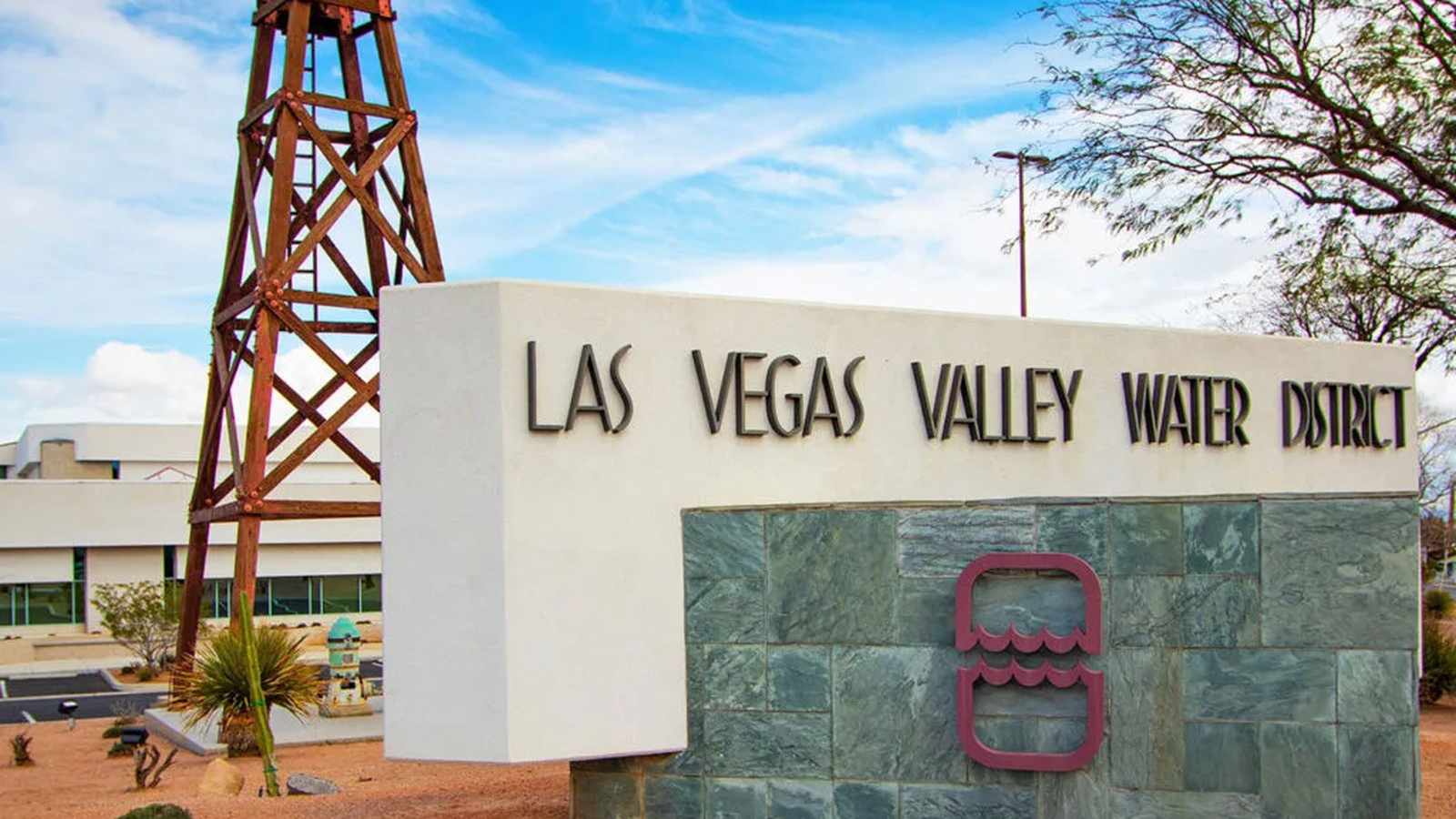
A group of Las Vegas homeowners has initiated a class-action lawsuit against the Las Vegas Valley Water District (LVVWD), challenging the legality of “excess use” charges that have generated more than $96 million in revenue since 2023. The plaintiffs argue that the district has been collecting these fees without providing residents due process, including the lack of notice, hearings, or mechanisms to contest the fines.
The lawsuit, which gained prominence following a heated LVVWD Board of Directors meeting this week, asserts that the Nevada Legislature never explicitly authorized the district to impose such fines. The filing characterizes the district’s actions as “governmental overreach,” specifically citing the threat of service termination for residents who fail to pay the contested charges.
Impact on Local Landscapes
Beyond the financial implications, the lawsuit highlights a growing frustration among residents regarding the aesthetic and environmental health of the valley. Residents testifying at the board meeting described a rapid decline in local vegetation, with many reporting that despite paying high water bills, they have been unable to maintain their trees and landscaping.
Carol Reynolds, a longtime resident, testified that she received a bill for $685.95 while witnessing the death of a tree she had cultivated for over three decades. Another resident, Eric King, estimated that the valley has lost more than a million trees that could have been preserved with more proactive management. The litigation argues that the intersection of these fees and impending state laws—which mandate the removal of non-functional grass by year-end—is actively accelerating the transformation of the city into a hotter, drier environment.
District Response and Regulatory Context
In response to the filing, an LVVWD spokesperson stated that the agency cannot comment on active litigation. However, the district maintained that the “excessive use charge” is targeted specifically at a small percentage of residential users whose outdoor water consumption significantly exceeds community norms. The district emphasized its ongoing commitment to conservation through rebates, leak assistance, and educational programs.
The legal challenge arrives at a critical juncture for regional water policy. As the Southern Nevada Water Authority prepares to implement stricter mandates regarding non-functional turf, the tension between aggressive conservation goals and individual property rights remains a central point of contention for local policymakers.