


Courtroom Clashes Mark Post-Trial Hearing
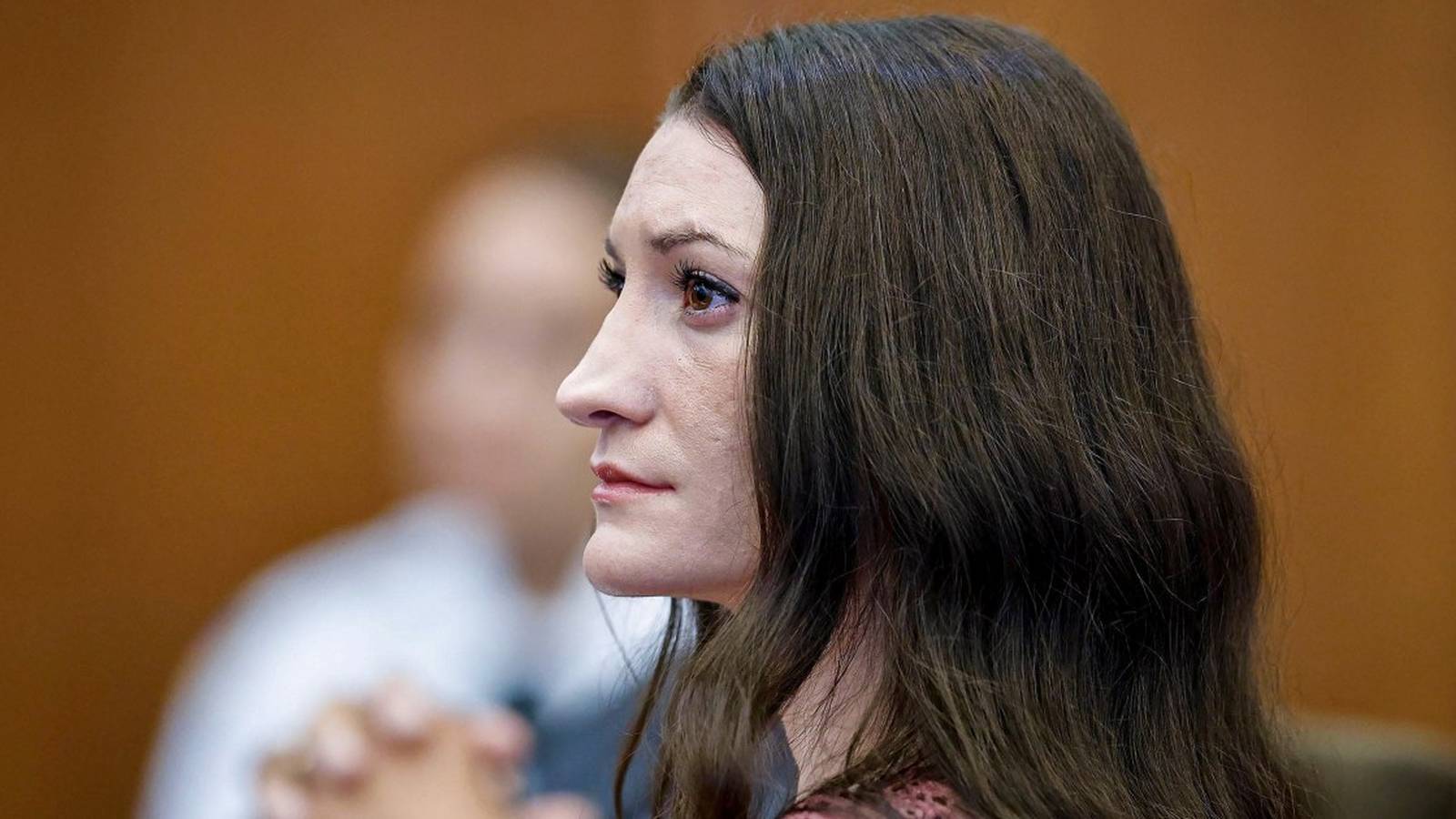
Lindsay Clancy returned to a Massachusetts courtroom on Monday, Nov. 2, 2026, for a pivotal hearing addressing post-trial motions after her first-degree murder trial ended in a mistrial due to an 11-1 deadlocked jury, as reported in an article published by NewsNation. Clancy is accused of the 2023 killings of her three children: 5-year-old Cora, 3-year-old Dawson, and 8-month-old Callan. The defense team and prosecutors addressed several pending motions that could determine the next steps in the criminal proceedings, leading to tense exchanges between attorneys and Judge William Sullivan.
Among the most consequential matters argued before the court was a defense motion claiming that the murder charges should be dismissed on double jeopardy grounds. Attorneys Martin Weinberg and Kevin Reddington argued that Judge Sullivan improperly declared a mistrial without adequately investigating allegations of misconduct by the lone holdout juror, Michael Péguy Desronvil. The defense contended that alternate jurors could have been utilized to continue deliberations instead of scrapping the trial.
Prosecutors pushed back against the dismissal request, arguing that the judge acted properly and that further probing into the dissenting juror would have intruded into private deliberations. Assistant District Attorney Jennifer Sprague maintained that the court took every possible step to address notes from the jury foreperson without pressuring the lone holdout. Judge Sullivan took the motion to dismiss under advisement and scheduled a status hearing for Nov. 16, 2026, to potentially issue a ruling and set a retrial date.
Legal Debates Over Juror Misconduct and Gag Orders
The Monday hearing featured sharp disagreements regarding courtroom decorum and public statements. During arguments over alleged juror misconduct, Judge Sullivan interrupted Reddington as he attempted to name the holdout juror, ordering him to refer only to the juror designation. A tense exchange followed, with Reddington asserting his right to raise the allegations publicly before eventually complying with the judge’s directive.
An attorney representing the holdout juror also addressed the court, arguing that the juror was being unfairly targeted because he disagreed with the majority of the panel. The attorney noted that all 12 jurors had initially sworn under oath that they could follow judicial instructions and cautioned that investigating a dissenting juror could chill future jury service.
In addition to the dismissal motion, prosecutors pressed for a gag order to restrict public statements by Clancy’s defense team, arguing that recent commentary could taint potential future juries. Sprague pointed to public criticisms raised by defense counsel as prejudicial. Conversely, defense attorneys argued that proposed restrictions would infringe upon their First Amendment rights, characterizing concerns over juror bias as speculative. Judge Sullivan also took the gag order request under advisement, leaving all major decisions pending for the mid-November session.
Evidentiary Foundations and Procedural Timeline
The underlying criminal case stems from the tragic events of Jan. 24, 2023, in Duxbury, Massachusetts, where prosecutors allege Clancy strangled her three young children with exercise bands before attempting suicide by jumping from a second-story window. That fall left her paralyzed from the chest down. Throughout the initial trial proceedings, defense strategy centered heavily on claims of severe mental illness, with Reddington arguing that Clancy suffered from postpartum psychosis and acted under the compulsion of auditory hallucinations. In contrast, the Commonwealth maintained that her actions were calculated and that she remained fully aware of her conduct.
The first-degree murder trial concluded in September after a prolonged deliberation cycle that saw the jury deadlock three times. The foreperson ultimately informed the bench that the panel could not reach a unanimous consensus because a single juror refused to evaluate the evidence through the legal framework of reasonable doubt. This dynamic precipitated the mistrial declaration by Judge Sullivan. Legal analysts following the post-trial maneuvers have noted that double jeopardy protections generally do not bar retrials when a mistrial is declared out of manifest necessity, such as a genuinely deadlocked jury, though the defense’s focus on the unexamined alternative of utilizing an alternate juror forms the crux of their current challenge.
Parallel civil litigation has further complicated the public narrative surrounding the tragedy. In a related wrongful death lawsuit filed against Clancy’s former healthcare providers by her ex-husband, Patrick Clancy, Norfolk Superior Court Judge Michael Doolin evaluated motions to dismiss during a separate October hearing. While Patrick Clancy’s counsel suggested Lindsay Clancy might testify regarding her prior interactions with medical staff, Reddington firmly rejected those assertions, stating that his client never communicated homicidal ideation to her doctors and had no intention of testifying in the civil matter.
Stakeholder Positions and Future Outlook
As the legal teams prepare for the upcoming Nov. 16 status conference, the strategic divide between the prosecution and the defense remains stark. The Plymouth County District Attorney’s office has underscored its commitment to pursuing justice for Cora, Dawson, and Callan, signaling through court filings that a retrial remains the most probable path forward. Whether prosecutors will re-indict on first-degree murder or alter the charging strategy to include lesser offenses remains a central question for the defense and legal observers alike.
Meanwhile, Reddington has expressed an urgency to resolve the matter promptly, emphasizing a desire to avoid prolonged incarceration and advocating for a retrial schedule in the spring under Judge Sullivan’s supervision. At the same time, the defense continues to grapple with intense public scrutiny, including online misinformation campaigns and conspiracy theories targeting Patrick Clancy—allegations that both defense counsel and Patrick’s legal representatives have forcefully condemned. With multiple substantive motions under advisement, the mid-November hearing will serve as a critical turning point, establishing whether the case proceeds toward a second jury trial or concludes via appellate intervention.