


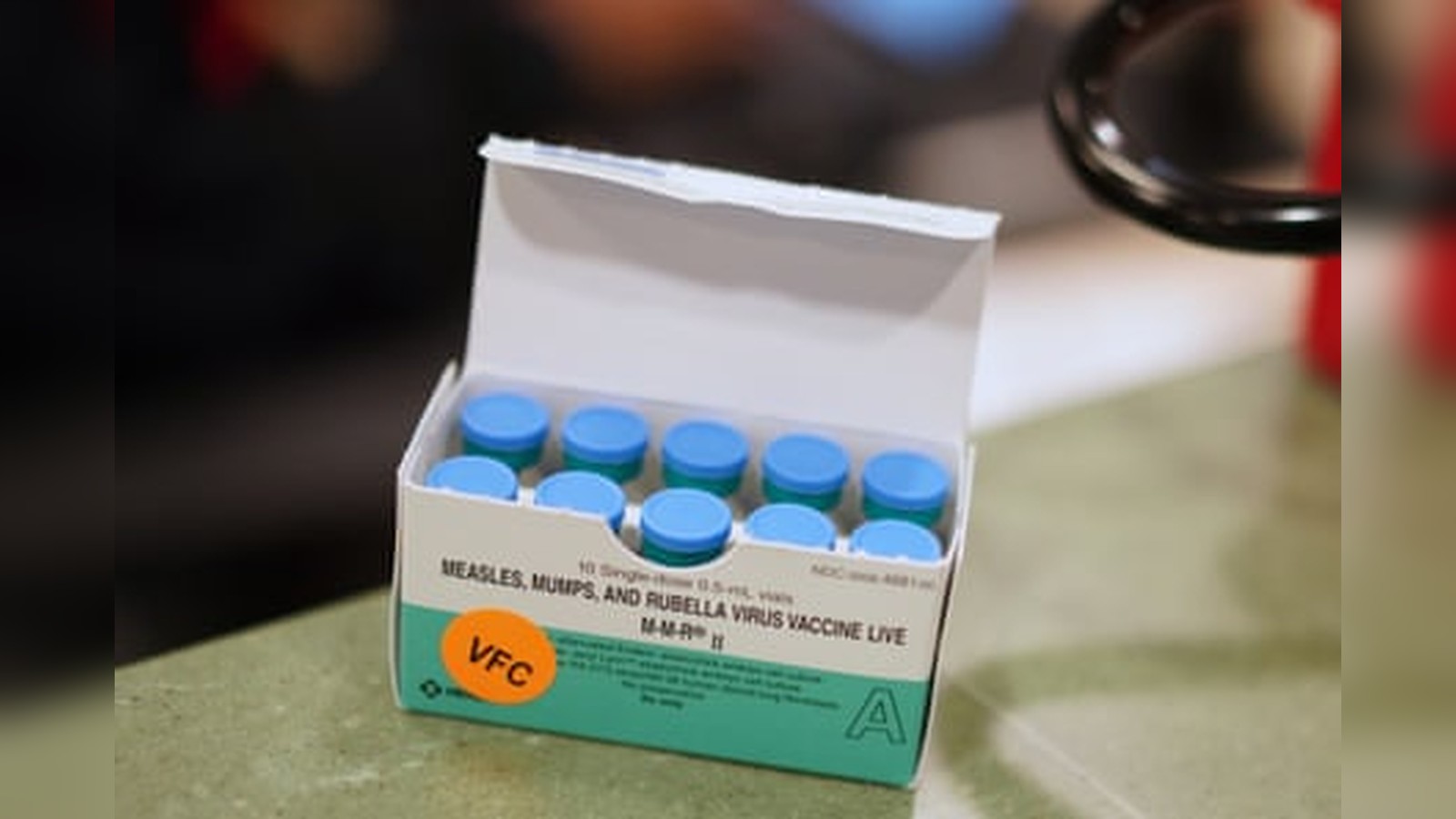
EPHRATA, Pa. (Azat TV) – Pennsylvania is currently confronting the nation’s most severe measles epidemic in decades, with confirmed infections surpassing 1,398 cases across the state, according to data from the Pennsylvania Department of Health reported by The Guardian on November 2, 2026. The outbreak, which began gaining momentum earlier in the year, has hit Lancaster County’s traditional Plain communities particularly hard, placing the Amish settlements under an intense national spotlight due to historically low vaccination rates against measles, mumps, and rubella (MMR).
State health officials report that nearly two-thirds of the recorded measles cases in Pennsylvania have occurred among adults—a distinct epidemiological profile compared to typical outbreaks that primarily affect children. Five fatalities have been linked to the outbreak in the state, involving individuals who were either unvaccinated by choice or too young to receive the immunization. In response to the crisis, the administration of Democratic Governor Josh Shapiro has deployed approximately 300 health department staff, established mobile pop-up clinics, and mailed informational notices across the region to encourage protective measures. State records show that more than 150,000 doses of the MMR vaccine have been administered statewide since August 1, with upwards of 50,000 shots delivered during October alone.
Community Perceptions and Varying Health Practices
Within the Lancaster settlement—a community tracing its roots in the area back to 1760—attitudes toward immunization are complex and far from monolithic. While formal religious doctrines among the Amish do not explicitly prohibit vaccination, independent surveys and local observations indicate that fewer than a third of residents had been immunized prior to the current epidemic. Local residents note that changing personal experiences are gradually shifting perspectives on the ground. Christ Stoltzfoos, a Lancaster community member, observed outside an active livestock auction that while skepticism remains entrenched among those who escaped severe illness, individuals who experienced dangerous symptoms have begun to reconsider. “The people that changed their mind are the people who got really sick from it,” Stoltzfoos told The Guardian, adding that many community members are now accepting the shots as health risks become tangible.
At the same time, hesitation persists among other residents who voice concerns regarding immune system resilience. John Kaufman, an 81-year-old community member, expressed apprehension that introducing vaccines could strain the body’s natural defenses against other illnesses. Local business considerations also intersect with public health decisions; the Lancaster settlement relies heavily on regional tourism and commercial agricultural trade, linking community safety directly to daily economic interaction with the broader public.
Political Friction and Federal-State Clashes
The public health emergency has simultaneously ignited broader political battles across Pennsylvania, involving federal health leadership and local congressional races. Federal health secretary Robert F. Kennedy Jr. publicly asserted that Pennsylvania residents suffered because the Shapiro administration politicized the outbreak, pointing to a broader national decline in vaccination rates following the COVID-19 pandemic. In contrast, Governor Shapiro forcefully rejected the criticism, accusing federal leadership of undermining public health through persistent vaccine skepticism and refusing to accurately account for local mortality figures.
The friction has likewise surfaced in the electoral campaign for Pennsylvania’s 11th congressional district. Five-term Republican Representative Lloyd Smucker, who was raised Amish, criticized the state executive branch at a recent town hall debate for attempting to score political points through public health messaging. Conversely, Democratic challenger Nancy Mannion—a former emergency nurse and international healthcare leader—argued that the current surge directly stems from the normalization of anti-vaccine rhetoric and structural barriers preventing rural Plain communities from engaging routinely with standard healthcare systems.
Public Health Outlook and Next Steps
Public health agencies emphasize that while targeted mobile clinics and local engagement are yielding tangible progress—with thousands of additional doses administered directly in Lancaster County—authorities must maintain sustained communication channels to address lingering skepticism without alienating vulnerable populations. Health officials plan to continue expanding pop-up vaccination sites throughout central Pennsylvania to curb transmission paths before winter weather increases indoor gathering risks.