


Final Expert Testimony
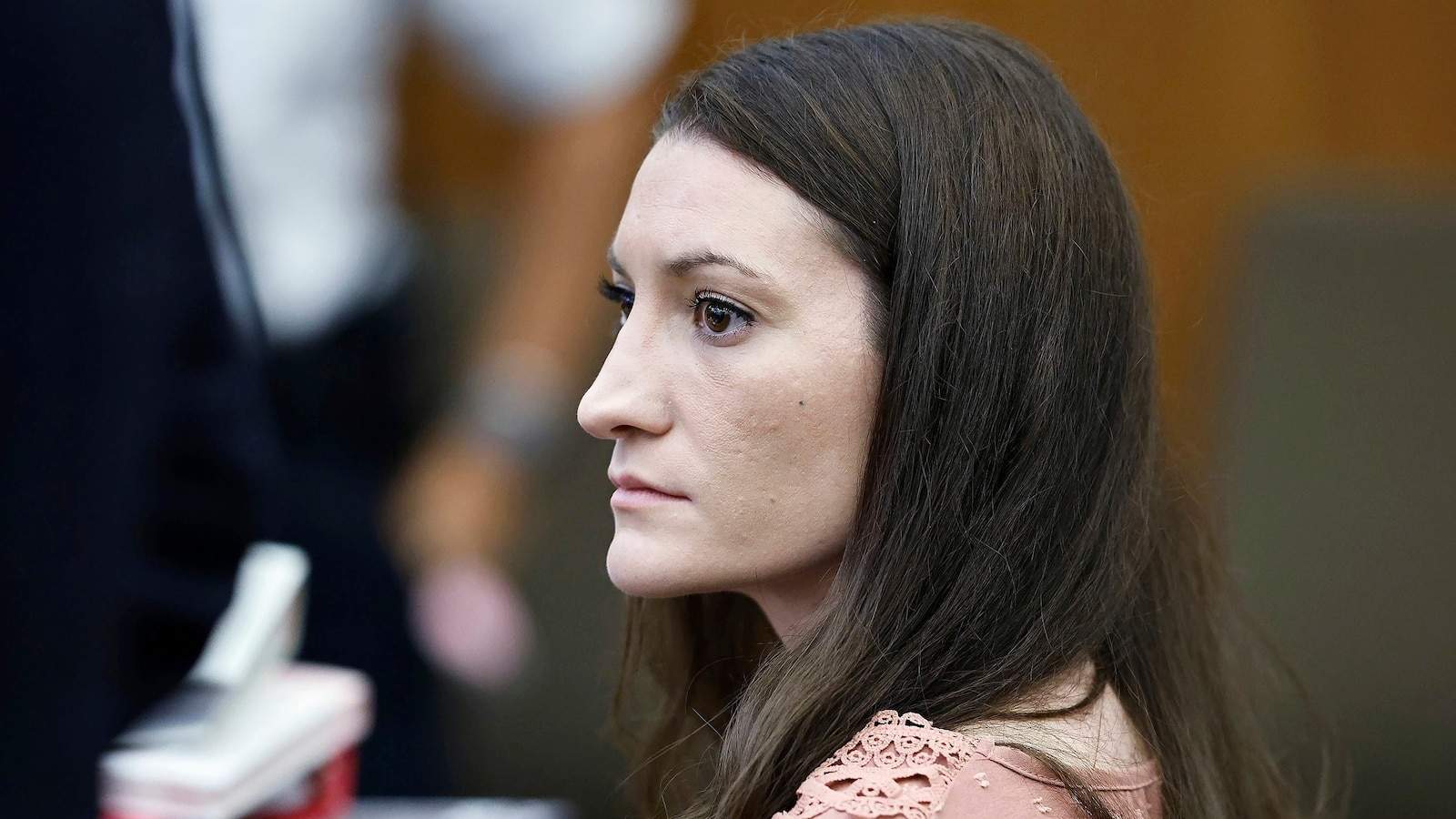
The murder trial of Lindsay Clancy, who faces three counts of first-degree murder, entered its final stage on Wednesday as forensic psychiatrist Dr. Gregory Saathoff concluded his testimony. Serving as the prosecution’s final expert witness, Dr. Saathoff asserted that Clancy was criminally responsible for the 2022 deaths of her three children, contradicting the defense’s argument that she was suffering from postpartum psychosis at the time.
During his testimony, Dr. Saathoff diagnosed Clancy with bipolar II disorder, attributing the development to adverse reactions to medication in the fall of 2022. However, he maintained that despite her mental health struggles, she retained the capacity to distinguish right from wrong. He pointed to her deliberate planning and attempts to avoid witnesses as evidence of a conscious understanding of her actions. Addressing the defense’s claim of “command hallucinations,” Saathoff argued that such phenomena do not automatically compel action, noting that individuals often retain decision-making capabilities even under duress.
This report draws on information published by bostonherald.com and abc7news.com.
Defense Cross-Examination
Defense attorney Kevin Reddington challenged the prosecution’s narrative throughout cross-examination, focusing on the medical history and the rapid decline in Clancy’s mental health. Reddington questioned the clinical decision to prescribe multiple medications without a tapering period and highlighted evidence of severe insomnia, which he suggested could be a precursor to psychosis. The defense also pointed to messages sent by Clancy to her mother expressing concern over her deteriorating condition.
Dr. Saathoff acknowledged that sleep deprivation can contribute to psychosis but maintained that the specific nature of Clancy’s actions—including her ability to control the sequence of events—indicated she was not acting in an involuntary state. He specifically cited a phone call made by her husband, Patrick, and her subsequent response as evidence of her continued control over her behavior during the timeframe of the killings.
Next Procedural Steps
Following the conclusion of testimony, the court is expected to hold a charge conference to finalize instructions for the jury. Closing arguments are scheduled to begin on Thursday. The outcome hinges on the jury’s determination of Clancy’s mental state: if found guilty, she faces life imprisonment without the possibility of parole; if found not criminally responsible, she will be committed to a state mental health facility.