


A League in Transition
Professional golf is witnessing a significant shift as LIV Golf navigates a period of profound uncertainty. The breakaway league, which disrupted the sport’s landscape in 2022, has recently confirmed the cancellation of its 2026 Team Championship in Michigan. This decision follows months of speculation regarding the league’s financial stability after the withdrawal of support from the Public Investment Fund (PIF) of Saudi Arabia.
While LIV Golf CEO Scott O’Neil recently announced that a new investor—reportedly BC Partners—has been secured to facilitate a transition into a “LIV 2.0” model for 2027, the immediate future for many of the league’s high-profile stars remains precarious. The loss of PIF backing has triggered a scramble among players to evaluate their professional options, with several looking toward a return to the PGA and DP World Tours.
This report draws on information published by bunkered.co.uk and hitc.com.
The Path Back to Traditional Tours
The return to traditional circuits is proving to be complex. Ian Poulter and Lee Westwood, two of LIV’s most prominent early recruits, have taken the first concrete steps toward reintegration. Both players recently opted to settle the substantial fines owed to the DP World Tour for their participation in conflicting events. These payments, estimated to exceed £1 million each, have paved the way for them to compete in the Alfred Dunhill Links Championship this October via tournament invitations.
While these invites allow for a temporary return, a permanent path back to full membership remains more difficult. According to DP World Tour protocols, players who resigned their memberships in 2023 must serve specific suspensions and meet rigorous re-application criteria to regain their status for the 2027 season. This “tough road back,” as described by PGA Tour stalwart Rory McIlroy, underscores the regulatory hurdles that await any player attempting to leave the LIV ecosystem.
McIlroy’s Stance on Reintegration
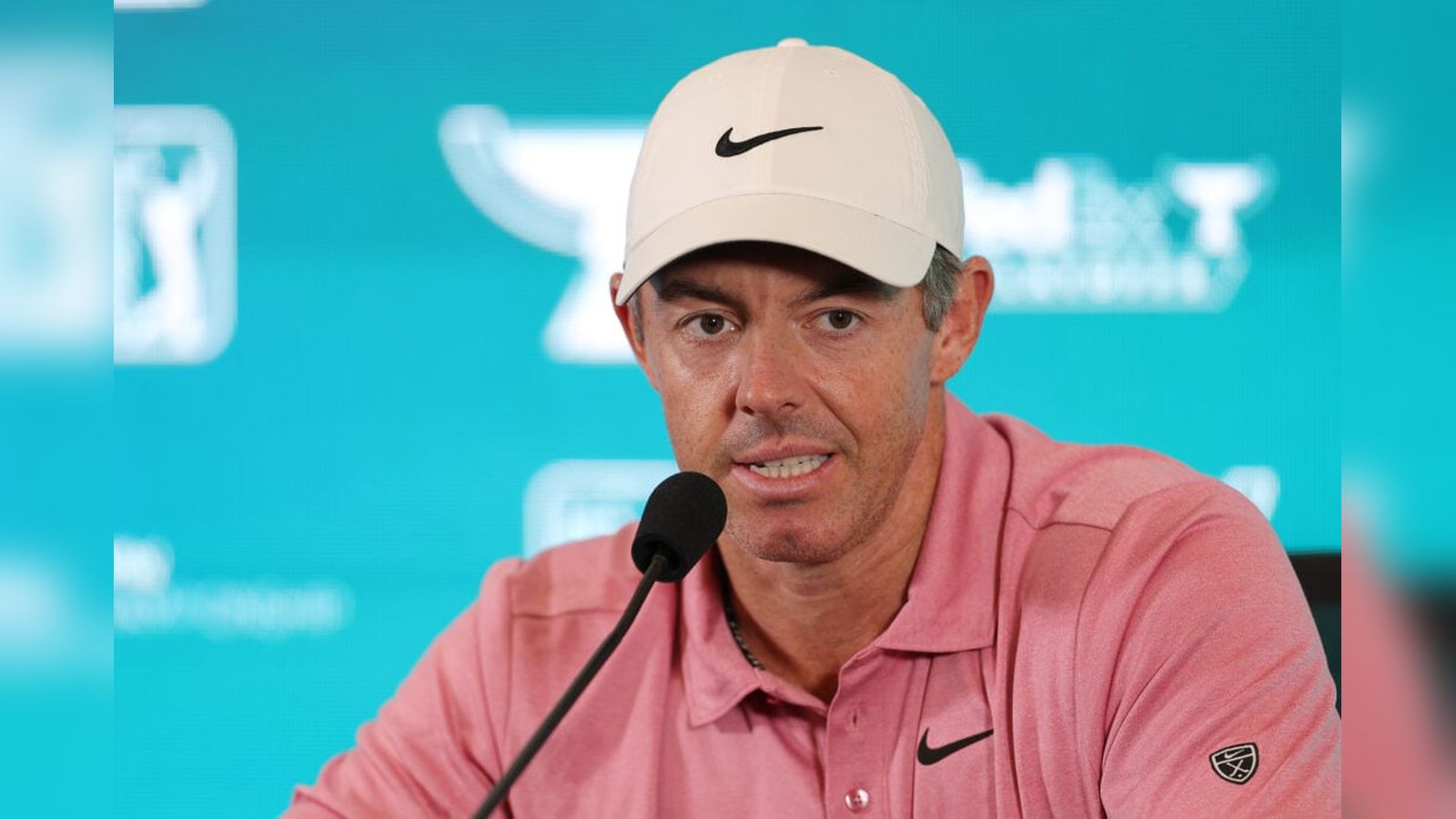
Rory McIlroy, a vocal opponent of LIV Golf since its inception, has remained consistent in his criticism. Speaking at the BMW Championship, the Northern Irishman questioned the inherent value LIV stars would bring back to the PGA Tour. “I would argue, have they brought value to LIV?” McIlroy stated, emphasizing his belief that the PGA Tour remains the premier platform for professional golf. He warned that players expecting a smooth transition back to the US-based circuit would likely be disappointed, noting that any potential “returning member program” would be significantly less favorable than the deals offered in early 2024.
Despite his harsh critique of the league’s impact on the game, McIlroy stopped short of expressing satisfaction at the potential collapse of the LIV model. He acknowledged that the loss of jobs for staff and players is an unfortunate outcome of the league’s struggle, but he maintained that the PGA Tour’s organizational structure would have been better equipped to manage the capital injection that LIV initially received.
Next Steps for the Sport
As the 2026 season draws to a close, the golf world is waiting to see how the “LIV 2.0” strategy will unfold. The transition to a new ownership structure will likely dictate whether the league can retain its remaining stars, such as Jon Rahm and Bryson DeChambeau, or if more players will follow the lead of Poulter and Westwood in seeking an exit. For now, the focus shifts to the DP World Tour’s upcoming events, which will serve as a testing ground for the reintegration of former LIV members into the traditional fold.