


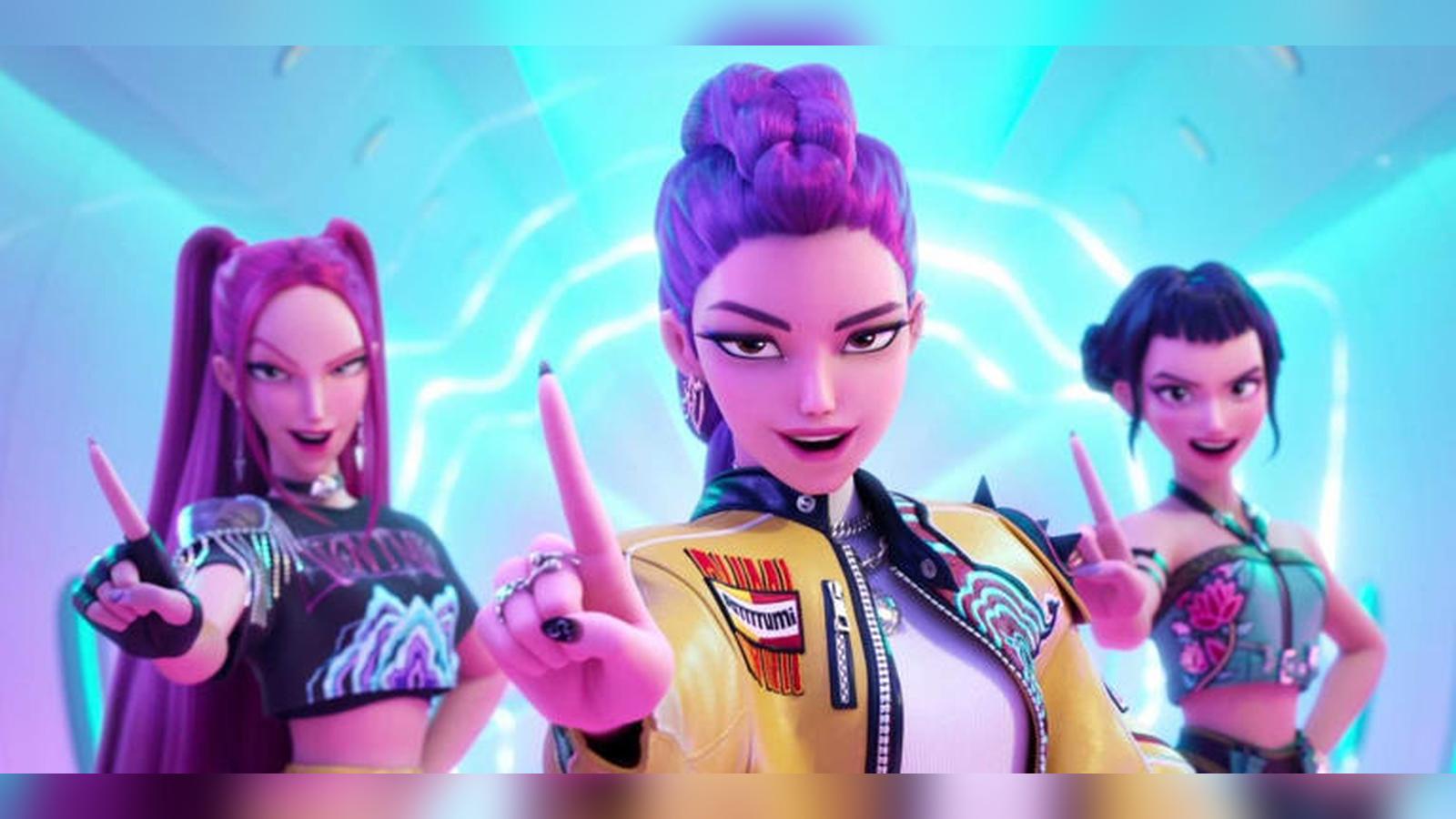
In a legal battle highlighting the complexities of intellectual property in the streaming era, Hyde Lane Inc.—the corporate entity representing the long-running American Christian metal band Demon Hunter—has filed a trademark infringement lawsuit against entertainment titan Netflix and global concert promoter AEG Presents. The complaint, filed in the U.S. District Court for the Central District of California, alleges trademark infringement, false designation of origin, and unfair competition, centering on Netflix’s highly successful animated franchise, “KPop Demon Hunters.”
The conflict marks a significant escalation in how traditional music acts protect their intellectual property against multi-platform entertainment franchises. Formed in Seattle in 2000 by brothers Ryan and Don Clark, Demon Hunter has spent over two decades building a dedicated global following. The band has released 12 studio albums, including their latest record, There Was a Light Here, in September 2025. With over 348,000 monthly listeners on Spotify and millions of views on music videos like “Dead Flowers” and “Someone to Hate,” the group holds a federal trademark registration for the name “Demon Hunter” covering live musical performances, originally granted in 2014 with commercial use dating back to 2001.
The Core of the Dispute: The Rise of ‘KPop Demon Hunters’
The legal friction began following the massive success of Netflix’s animated musical film KPop Demon Hunters, which premiered on the streaming platform in June 2025. The film, which follows a fictional K-pop girl group named “Huntrix” that secretly fights supernatural forces, became a global phenomenon. According to Netflix, the production has garnered over 325.1 million streams, and its soundtrack songs have accumulated over 10 billion streams worldwide. In March 2026, the film’s lead track, “Golden,” won an Academy Award for Best Original Song, marking the first time a K-pop track secured the prestigious accolade.
While the film initially existed as a digital streaming asset, the band’s lawsuit argues that Netflix and concert promoter AEG Presents have systematically expanded the franchise into commercial territories that directly overlap with the band’s established brand. In May 2026, Netflix and AEG announced plans for a global live concert tour based on the animated film, alongside extensive merchandise lines ranging from apparel to soundtracks. According to the complaint, Netflix has filed at least 10 trademark applications with the U.S. Patent and Trademark Office (USPTO) for “KPop Demon Hunters” covering various consumer goods since August 2025.
The Legal Doctrine of ‘Reverse Confusion’
At the heart of Hyde Lane’s legal strategy is the doctrine of “reverse confusion.” In traditional trademark infringement, a smaller competitor attempts to capitalize on the reputation of an established brand. In contrast, reverse confusion occurs when a larger, more commercially powerful junior user saturates the market with a similar mark, causing consumers to mistakenly believe that the smaller, senior user is actually affiliated with, or a spin-off of, the larger entity.
The complaint argues that Netflix’s multi-million-dollar marketing apparatus is effectively eclipsing Demon Hunter’s identity. The band contends that the sheer volume of promotion for “KPop Demon Hunters” has saturated search engines, social media hashtags, and ticketing platforms. The lawsuit alleges that search queries for “Demon Hunter” on Ticketmaster and Google now frequently display events and content associated with Netflix’s franchise, threatening to push the metal band out of its own digital and physical market spaces.
Documented Market Confusion
To substantiate the claim of active consumer confusion, the lawsuit cites specific real-world incidents. In one instance, a customer reportedly sent an email to the band’s management explaining that they had spent nearly $500 on tickets for a Demon Hunter concert in Albany, New York, under the mistaken impression that it was a child-friendly, K-pop-themed performance for their young daughters. Upon realizing the error, the parent sought a refund, noting that they would otherwise be unable to afford tickets to the actual Netflix-backed show.
The confusion has reportedly extended to professional media outlets as well. In March 2026, following the Academy Awards, a producer from the television program Inside Edition emailed Demon Hunter’s long-time manager, Ryan J. Downey, requesting an interview with songwriter Yu Han Lee. However, Lee is the writer of the Oscar-winning song for Netflix’s animated film and has no affiliation with the Christian metal band.
The Trademark Vulnerability
The legal proceedings may hinge on a critical administrative timeline. According to USPTO records cited in the case, Hyde Lane’s original 2014 trademark registration for “Demon Hunter” was canceled in February 2025 due to an administrative oversight—specifically, a failure to timely file the required Section 8 and 9 declarations. The band subsequently refiled for trademark protection in December 2025.
This gap in registration could prove pivotal. Netflix filed its own trademark applications for “KPop Demon Hunters” in August 2025, during the window when the band’s original mark was technically canceled. However, Hyde Lane argues that its continuous, uninterrupted commercial use of the name since 2001 establishes common-law priority that supersedes Netflix’s filings, asserting they remain the “senior user” of the mark for live music and entertainment services.
Seeking Injunctions and Damanges
Hyde Lane is seeking a jury trial, a permanent injunction restricting Netflix and AEG Presents from using the “KPop Demon Hunters” name in connection with live performances, music releases, merchandise, and digital media, and has even requested that the court direct the U.S. Marshal to seize and impound allegedly infringing merchandise. Additionally, the plaintiffs are seeking Netflix’s profits derived from the disputed branding, alongside compensatory damages and attorneys’ fees.
In response to the filing, a representative for Netflix told Rolling Stone that the allegations are “without merit,” stating: “Netflix has created an Academy Award-winning global phenomenon with KPop Demon Hunters that has inspired fans around the world with its powerful music, storytelling, and characters. We look forward to vigorously defending this matter.” Representatives for concert promoter AEG Presents have not yet issued a public statement, and the case remains in its preliminary stages in federal court.