


The Enduring Mystery of Fall River
The release of the latest season of the Netflix anthology series Monster has ignited a fresh wave of public fascination with one of America’s most notorious cold cases: the 1892 murders of Andrew and Abby Borden. While the series aims to explore the concept of ‘female rage’ by framing Lizzie Borden as a central figure, it takes significant creative liberties, blending established historical records with decades-old speculative theories.
On August 4, 1892, Andrew Borden and his wife, Abby, were found brutally murdered in their home in Fall River, Massachusetts. The case remains a cornerstone of American true crime, largely because of the lack of concrete forensic evidence and the acquittal of Lizzie Borden, the couple’s daughter, in 1893. RadioTimes reports that while the series presents a definitive narrative, it is vital to distinguish between historical fact and the dramatic license taken by the show’s writers.
Fact vs. Fiction: The Relationship with Maggie
One of the most prominent storylines in the Netflix production is a romantic affair between Lizzie Borden and the family’s live-in maid, Bridget “Maggie” Sullivan. Historically, there is no evidence to support this claim. The theory of a romantic connection emerged much later, popularized in fiction—most notably in Evan Hunter’s 1984 novel Lizzie—and has since become a frequent subject of modern retellings, including the 2018 film Lizzie. At the time of the trial, no mention of Lizzie’s sexuality or a relationship with the maid was introduced into the record.
The Aileen Wuornos Narrative
The series also incorporates the story of Aileen Wuornos, the serial killer executed in 2002, drawing parallels between her experiences and those of Borden. According to RadioTimes, the show depicts Wuornos as being obsessed with Borden, even visiting the infamous Borden house. This is entirely fictional. There is no historical evidence that Wuornos was inspired by Borden, nor is there any record of her staying at the property. The inclusion of Wuornos appears to be a thematic choice by show creators to link disparate instances of violence under the umbrella of ‘female rage’.
Historical Preservation and Modern Exploitation
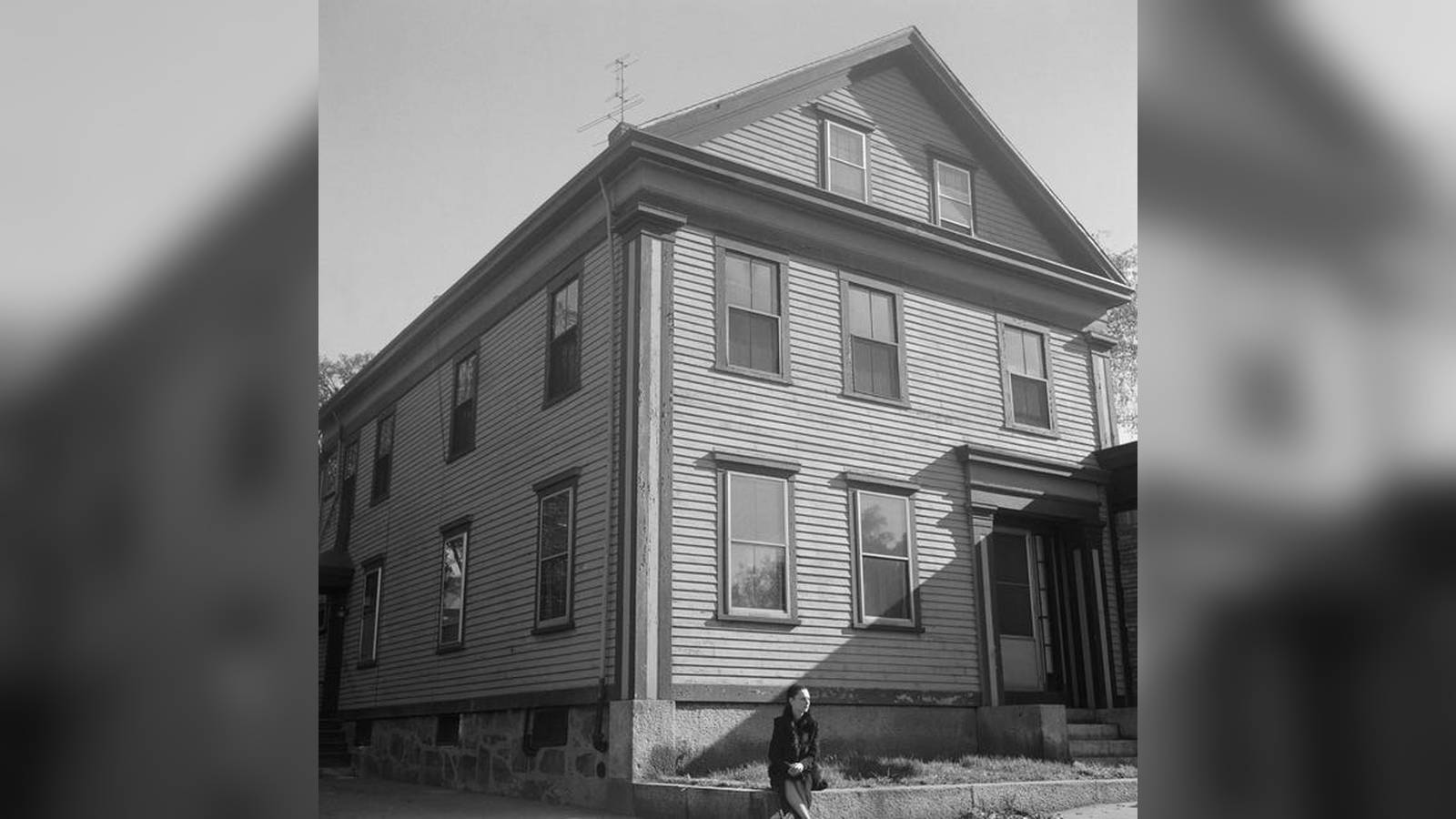
The Borden house itself, located on Second Street in Fall River, remains a site of intense curiosity. Today, it operates as a tourist destination, allowing visitors to stay in the home where the murders occurred. This commercialization highlights a tension between historical preservation and the exploitation of tragedy for entertainment. While the house provides a tangible link to the 19th-century investigation, the ‘true crime’ industry often risks obscuring the reality of the victims—Andrew and Abby Borden—in favor of sensationalized narratives that prioritize character development over historical accuracy.