


France’s Historic Shift: Recognizing Palestine at the UN
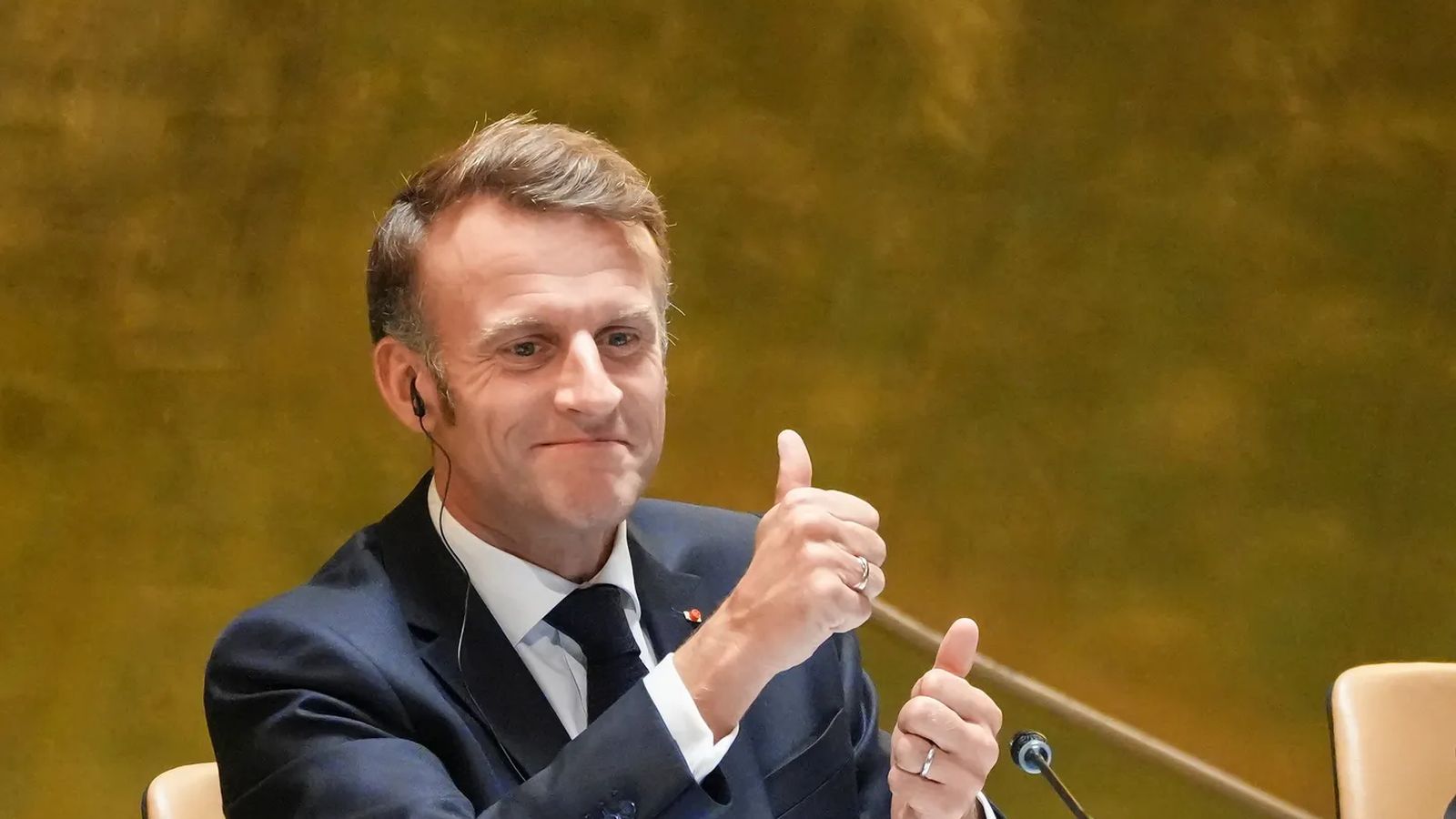
On a day when the world’s leaders converged on the United Nations General Assembly in New York, French President Emmanuel Macron’s speech cut through the routine with a moment of genuine history. Against the backdrop of ongoing violence in Gaza and mounting international outrage, Macron announced that France now formally recognizes the State of Palestine. His declaration was more than symbolism—it marked a seismic shift in European and global diplomacy, sending tremors through the corridors of power in Washington and Jerusalem.
Macron’s words were clear and deliberate: “The time has come. This is why, true to the historic commitment of my country to the Middle East and to peace between Israel and the Palestinians, I declare that today France recognizes the state of Palestine.” (Axios) With this, France joined a growing chorus of nations—including Belgium, Luxembourg, Malta, the UK, Canada, and Australia—who, within days, had also stepped forward to recognize Palestinian statehood. The momentum was unmistakable. It was a diplomatic wave, driven by months of coordination between Macron and Saudi Arabia’s Crown Prince Mohammed Bin Salman, designed to preserve the hope of a two-state solution even as violence threatened to extinguish it.
Diplomatic Isolation: US and Israel Stand Apart
France’s decision, and the similar moves by close US allies, put the Trump administration and Israeli Prime Minister Benjamin Netanyahu in a rare position of isolation. Both leaders have opposed Palestinian recognition, arguing that it rewards Hamas and undermines Israeli security. Their stance was underscored by their absence from the special UN summit convened by France and Saudi Arabia. In a striking scene, Palestinian President Mahmoud Abbas was forced to deliver his remarks by video after the US revoked his visa, but his message was direct: he welcomed France’s recognition, called for more countries to follow suit, and insisted that Hamas must surrender its weapons to the Palestinian Authority and have no future role in Gaza.
Macron’s speech did not shy away from confronting these divisions. He warned that the Netanyahu government’s policies threaten the stability of the Abraham Accords—which had normalized relations between Israel and several Arab states—and could unravel decades of peace agreements. “We are convinced the recognition is the only solution that will allow Israel to live in peace… It is a defeat for Hamas and all those who want to destroy Israel,” Macron declared. Yet, he was also explicit: Hamas must be dismantled, both militarily and politically. His vision for Gaza included a transitional administration led by the Palestinian Authority, backed by a UN Security Council-mandated international force tasked with disarming Hamas and securing the territory.
Behind the Scenes: Macron’s Human Moment in New York
Even as Macron spoke of peace and statehood, real-life drama played out on the streets of New York. After delivering his speech, Macron found himself stranded when US President Donald Trump’s motorcade blocked his route to the French consulate. Video footage captured Macron’s unguarded reaction: leaning over a metal barrier, he called Trump directly, joking, “Guess what? I’m waiting in the street because everything is frozen for you.” The French president eventually walked half an hour through the city, mingling with New Yorkers and posing for photographs—an unscripted moment that contrasted with the high-stakes diplomacy inside the UN. (The Guardian)
This episode, though minor, was telling. It humanized Macron, revealing the everyday frustrations that even world leaders endure. It also underscored the tension and drama swirling around the summit: global powers jockeying for influence, personalities colliding, and history being shaped both on the podium and in the city’s streets.
Gaza at the Center: Calls for Ceasefire and Accountability
The war in Gaza dominated the General Assembly’s agenda, with calls for an immediate ceasefire growing louder. Israeli attacks across the territory continued unabated, and the humanitarian crisis deepened. Macron’s recognition of Palestine was framed not just as an abstract diplomatic gesture, but as a necessary step to “end the war in Gaza, the massacres and the death.” He called for justice for Palestinians in Gaza, the West Bank, and Jerusalem. His plan for a UN-mandated stabilization force was designed to ensure that peace could take root once the fighting stopped—a vision that found support among many countries, but not among Israel or the US.
Other leaders also weighed in. Turkish President Recep Tayyip Erdogan echoed Macron’s urgency, demanding a ceasefire and accusing the international community of complicity through silence. “Everyone who is keeping silent is an accomplice to this barbarity,” Erdogan declared, challenging world leaders to act rather than merely express outrage. The pressure to address the Gaza crisis was palpable, and Macron’s move injected new urgency into diplomatic efforts.
Global Ripple Effects: What Comes Next?
Macron’s announcement has already begun to reshape the international landscape. With major Western democracies recognizing Palestine, the US and Israel face growing isolation. Belgian Prime Minister Bart De Wever and others have set conditions for full diplomatic relations—demanding the release of hostages, the disarmament of Hamas, and the formation of a new Palestinian government. The recognition is not just symbolic; it’s tied to concrete steps aimed at ensuring stability and security.
Yet, the path forward remains fraught. The Netanyahu government has pushed back, warning that recognition undermines negotiations and emboldens extremists. The Trump administration has echoed these concerns, characterizing Palestinian recognition as a “reward” for Hamas. Meanwhile, the situation on the ground in Gaza remains volatile, with civilians bearing the brunt of continued violence.
Amid these complexities, Macron’s speech stands as a defining moment. It was a calculated risk—a bet that international consensus can be forged in the face of entrenched opposition, and that recognition of Palestine can open the door to peace rather than close it.
Macron’s decision to recognize Palestine is more than diplomatic theater; it’s a bold assertion that the world’s balance is shifting. By leading a coalition of nations to embrace Palestinian statehood, France has injected new momentum into a stagnant peace process. The move challenges the old order and forces the hand of leaders who would prefer the status quo. As the dust settles in New York, the world must now reckon with the consequences—both for the future of Israel-Palestine, and for the credibility of the international system itself.