


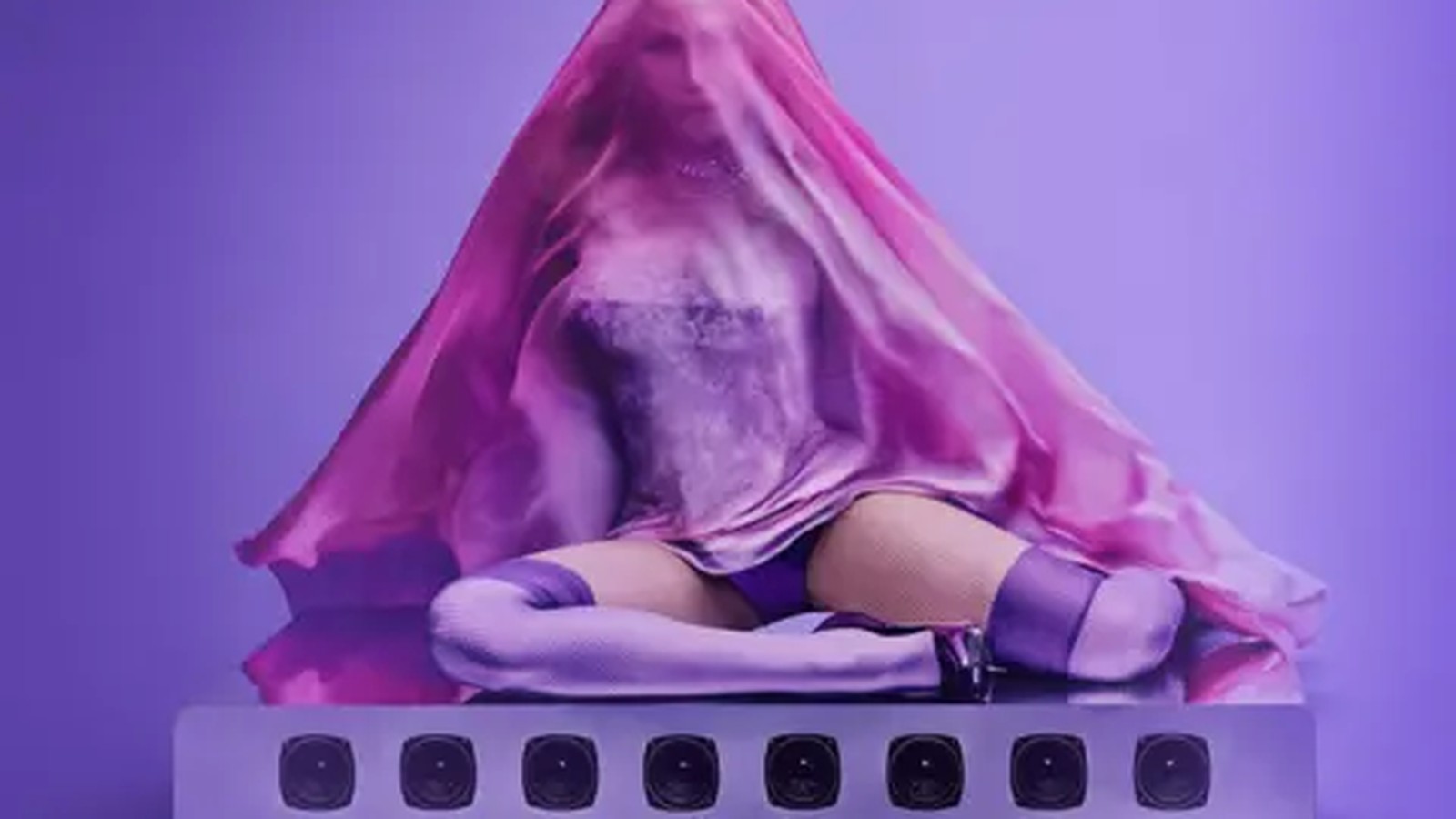
A Return to the Club Ritual
Pop icon Madonna released her 15th studio album, Confessions II, on Friday, July 3, 2026. The record marks her first studio project since 2019’s Madame X and serves as a spiritual successor to her acclaimed 2005 release, Confessions on a Dance Floor. Produced in collaboration with Stuart Price, the album is structured as a continuous DJ mix, designed to evoke the atmosphere of late-night club culture.
The album’s release follows a period of reflection for the artist, who has spent recent years navigating personal health challenges and archival projects. According to initial reviews from Billboard, Variety, and Rolling Stone, the project shifts away from the experimental, trend-chasing production of her previous work toward a more cohesive sound rooted in 1980s house, techno, and disco influences.
Personal Reconciliation and Memoir
While the project is framed by rhythmic, dance-floor-oriented production, the lyrical content is notably introspective. Tracks such as “Fragile” address the artist’s late brother, Christopher Ciccone, following their reconciliation prior to his death in 2024. Another centerpiece, “The Test,” features a duet with her daughter, Lourdes Leon, where the pair candidly address the complexities of Madonna’s public persona and the impact of her fame on their relationship.
The track “Danceteria” functions as a narrative centerpiece, detailing the artist’s early experiences in the New York City nightlife scene of the 1980s. The song chronicles her introduction to industry figures like Nile Rodgers and DJ Mark Kamins, the latter of whom helped secure her first record deal. This focus on her origins provides a thematic anchor for the album, which explores the “dance floor as a threshold” rather than a mere setting for entertainment.
Analysis: The Stakes of Reinvention
Confessions II arrives at a critical juncture in the artist’s career. Having experimented with diverse global sounds and avant-garde concepts in the 2010s—often to mixed critical reception—this release suggests a strategic pivot toward her core identity. By revisiting the sonic palette of her most commercially successful era, Madonna is not merely engaging in nostalgia; she is reclaiming the “dance floor” as a space for intellectual and personal discourse.
The inclusion of collaborations, such as the track “Bring Your Love” with Sabrina Carpenter, bridges the gap between generations of pop stars who have faced similar public scrutiny regarding their autonomy and artistic expression. By eschewing current trends—such as the revival of drum and bass or the influence of algorithmic pop—Madonna asserts a level of creative agency that prioritizes long-form storytelling over individual viral hits. The album’s success will likely be measured by its ability to resonate as a complete “ritualistic” experience, confirming her status as an artist capable of evolving while remaining tethered to the cultural spaces she helped define.