


Establishment of an Invasive Species
As reported on November 16, 2026, in The Guardian, local shellfish harvesters and marine researchers have confirmed the establishment of breeding populations of the invasive Manila clam across Cape Cod, Massachusetts. While individual shells had been spotted in the region since the 1980s, these were historically dismissed as isolated incidents involving discarded bait or dinner remnants. The current situation marks a shift: consistent, multi-year sightings by commercial harvesters in areas including Chatham and Wellfleet indicate that the species has successfully naturalized in local coastal waters.
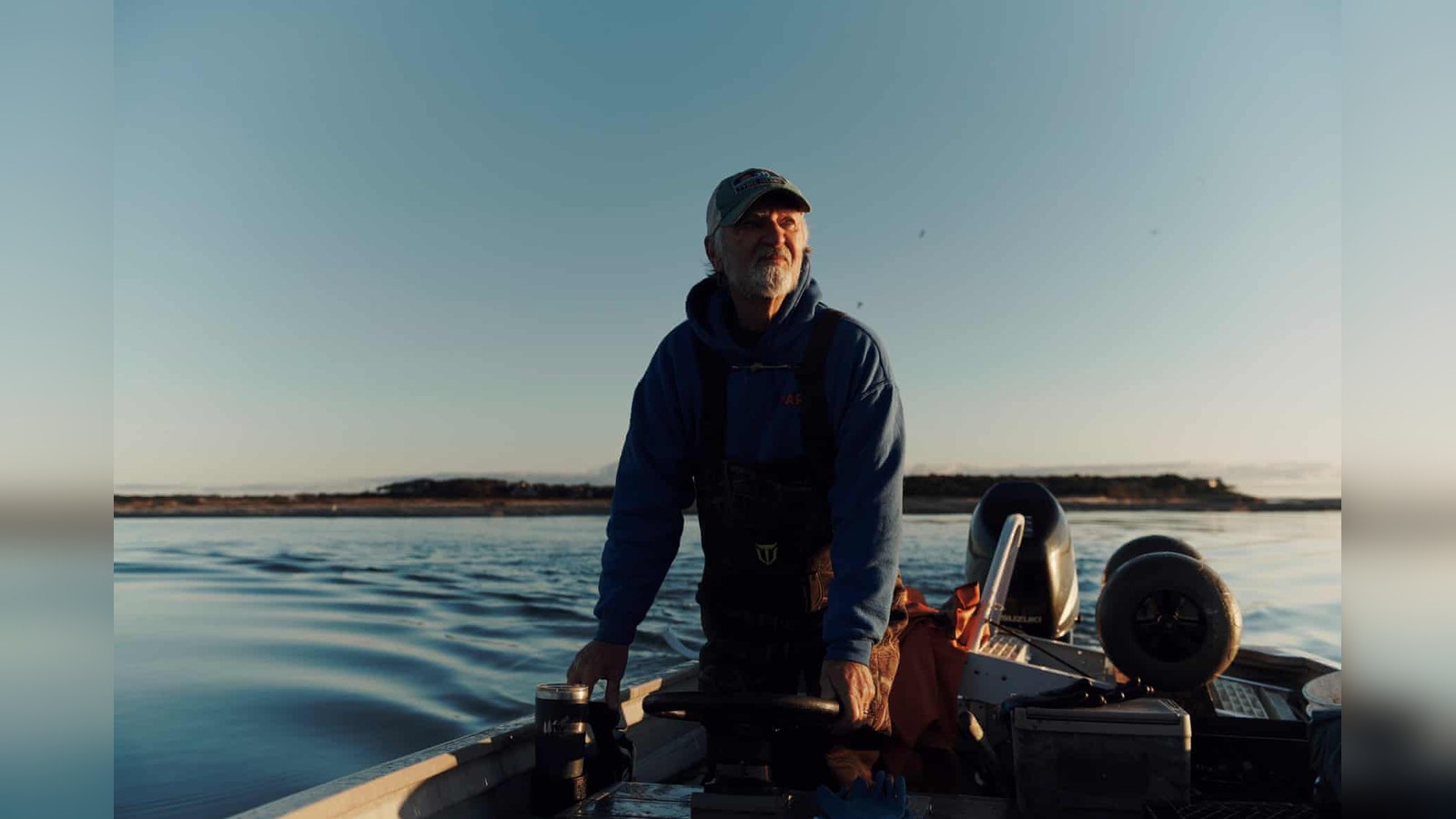
The discovery was driven by citizen science, specifically the collaboration between harvesters like Ernie Eldredge and scientists such as Owen Nichols, director of marine fisheries research at the Center for Coastal Studies. Eldredge, who began noticing the distinctive cross-hatched, speckled shells in his catch in 2023, initiated the reporting process by sharing images with researchers. This led to a broader investigation, culminating in a May 2026 journal article authored by Nichols, Rachel Hutchinson of the Woods Hole Oceanographic Institution (WHOI), and other regional experts, which officially documented the presence of a breeding population along the Massachusetts coastline.
Ecological and Economic Stakes
The arrival of the Manila clam, a species native to the Indo-Pacific, presents complex challenges for the region. Known for their adaptability to varying temperatures and sediment types, Manila clams are highly successful in aquaculture. However, experts like Carolyn Tepolt of WHOI warn that the species is known to outcompete native shellfish and can serve as a vector for diseases. Because these invasive populations have not undergone the rigorous health screening required for government-managed native fisheries, there is significant concern regarding the potential introduction of pathogens into local ecosystems. For instance, in the 1990s, Manila clams introduced to the Mediterranean brought the parasite Perkinsus, which proved lethal to native populations.
The community remains divided on the long-term implications. Some, like fisher Dave Seitler, see potential for a new aquaculture product that could serve as a secondary revenue stream if native oyster populations face disease or decline. Others, including Eldredge, prioritize the protection of native quahog populations, fearing that the invasive species may permanently disrupt the natural product that sustains the local industry. Researchers are now focused on monitoring the spread and assessing the long-term ecological consequences of this new, established presence in the North Atlantic. The collaboration between local harvesters and scientists serves as a critical early warning system, allowing researchers to conduct genetic studies to determine the origin of the invasion while the population is still manageable.
The Role of Citizen Science
The partnership between the fishing community and the scientific establishment represents a significant evolution in regional resource management. Historically, tensions existed between these groups due to regulatory limitations and differing perspectives on ocean health. However, as harvesters spend their days observing subtle shifts in the harbor, their “science eyes on the ground” have become invaluable. Whether it is noticing an unusual shell pattern or observing changes in migratory behavior, these contributions allow researchers to track ecological shifts in real-time. This relationship is fostering a new level of trust, as both groups work to protect the delicate, shifting ecosystems of the Cape from further disruption. While the future of the Manila clam in Massachusetts remains uncertain, the combined efforts of local industry experts and biologists are ensuring that the region is no longer caught off guard by invasive ecological threats.