


Decoding the Genetic Architecture of Marine Longevity
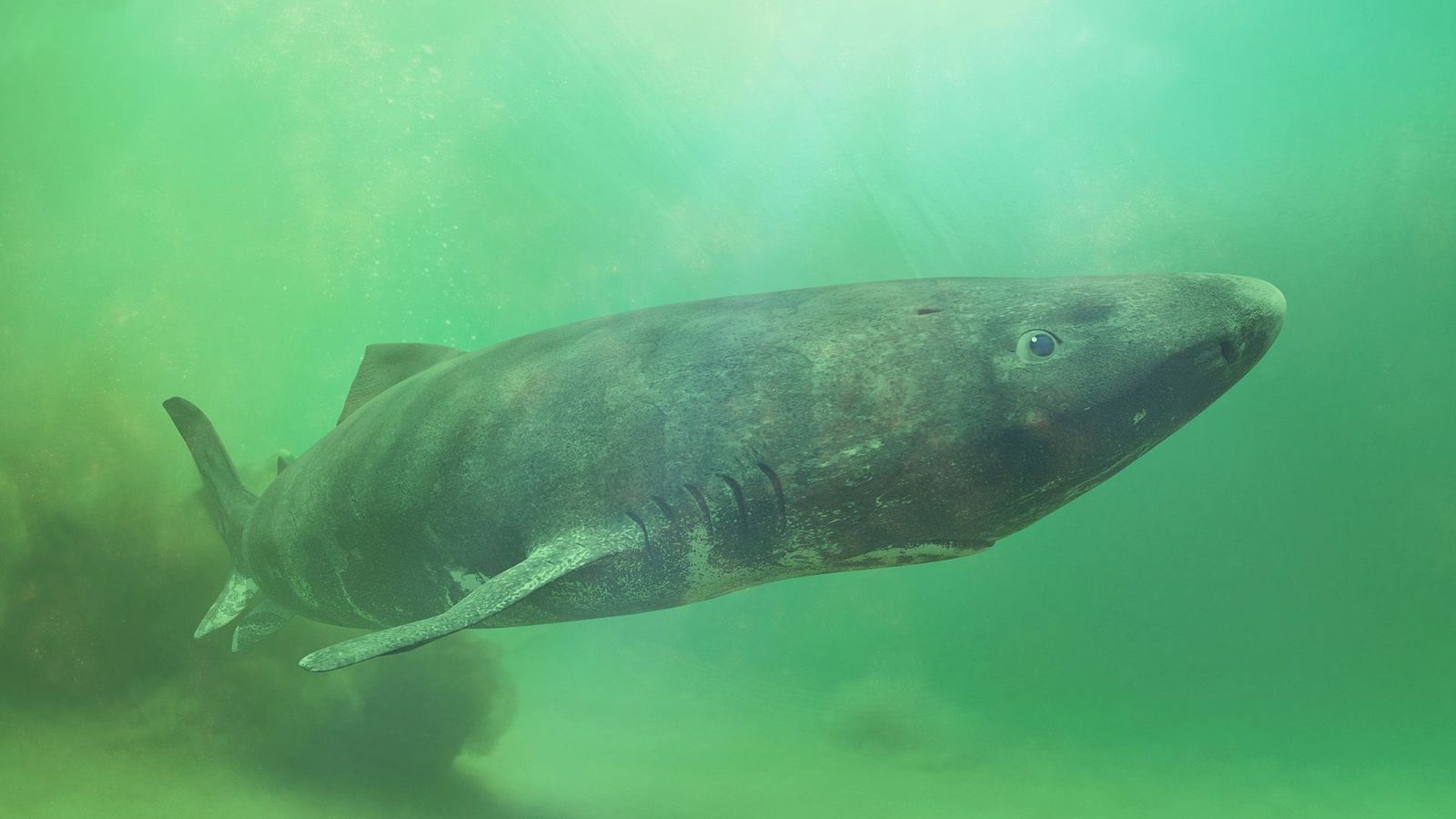
Researchers have successfully mapped 96.7% of the first whole-genome sequence of the Greenland shark (Somniosus microcephalus), uncovering key biological mechanisms that may explain how the creatures avoid cancer and live for centuries. Published May 19 in the journal Live Science, the genomic analysis provides concrete clues into the exceptional lifespan of what are considered the longest-living vertebrates on Earth.
Led by Shigeharu Kinoshita, a fisheries chemist at the University of Tokyo, the research team identified unique amino acid substitutions in “linker histone proteins”—specialised structures that spool and compact DNA. According to Kinoshita, these genetic tweaks likely stabilize chromatin structure, helping suppress DNA damage accumulation over the shark’s multi-century lifespan. The study also documented expanded gene families linked to immune responses, DNA repair pathways, and iron regulation via ferritin genes, which together help control oxidative stress and limit ferroptosis.
Dating Disputes and Lifespan Uncertainty
While the genetic findings offer structural explanations for the species’ resilience, the exact maximum lifespan of Greenland sharks remains a subject of scientific debate. A landmark 2016 study published in Science utilized radiocarbon dating on the eye lenses of 28 female sharks, estimating the oldest specimen at 392 years with a 120-year margin of uncertainty, which sets the potential upper limit at 512 years.
However, external experts urge caution regarding these absolute age figures. Aaron MacNeil, a biologist at Dalhousie University who was not involved in the research, noted that deep-sea radiocarbon levels affected by Cold War nuclear testing make precise calibration difficult. “We do know they’re damn old — 200 years at least,” MacNeil told Live Science, questioning whether deep-ocean mixing rates could skew older estimates.
Cellular Ageing and Biological Mysteries
Adding to the physiological puzzle, research published in Aging Cell earlier in 2026 identified biological signs of ageing in Greenland shark hearts, including fibrosis, oxidative stress, damaged mitochondria, and accumulated lipofuscin. These findings demonstrate that despite their extreme longevity, the sharks still experience certain cellular tissue changes over time.
Dorota Skowronska-Krawczyk, a biophysicist at the University of California, Irvine, noted that while the newly uncovered genetic features point toward enhanced genome stability, functional studies remain necessary to test those hypotheses directly. Meanwhile, the species continues to present fundamental biological mysteries: growing at a rate of less than one centimetre per year, Greenland sharks do not reach sexual maturity until approximately 156 years of age, leaving vast gaps in researchers’ understanding of their full reproductive cycle and population dynamics across Arctic and North Atlantic waters.