


Nationwide Price Hikes
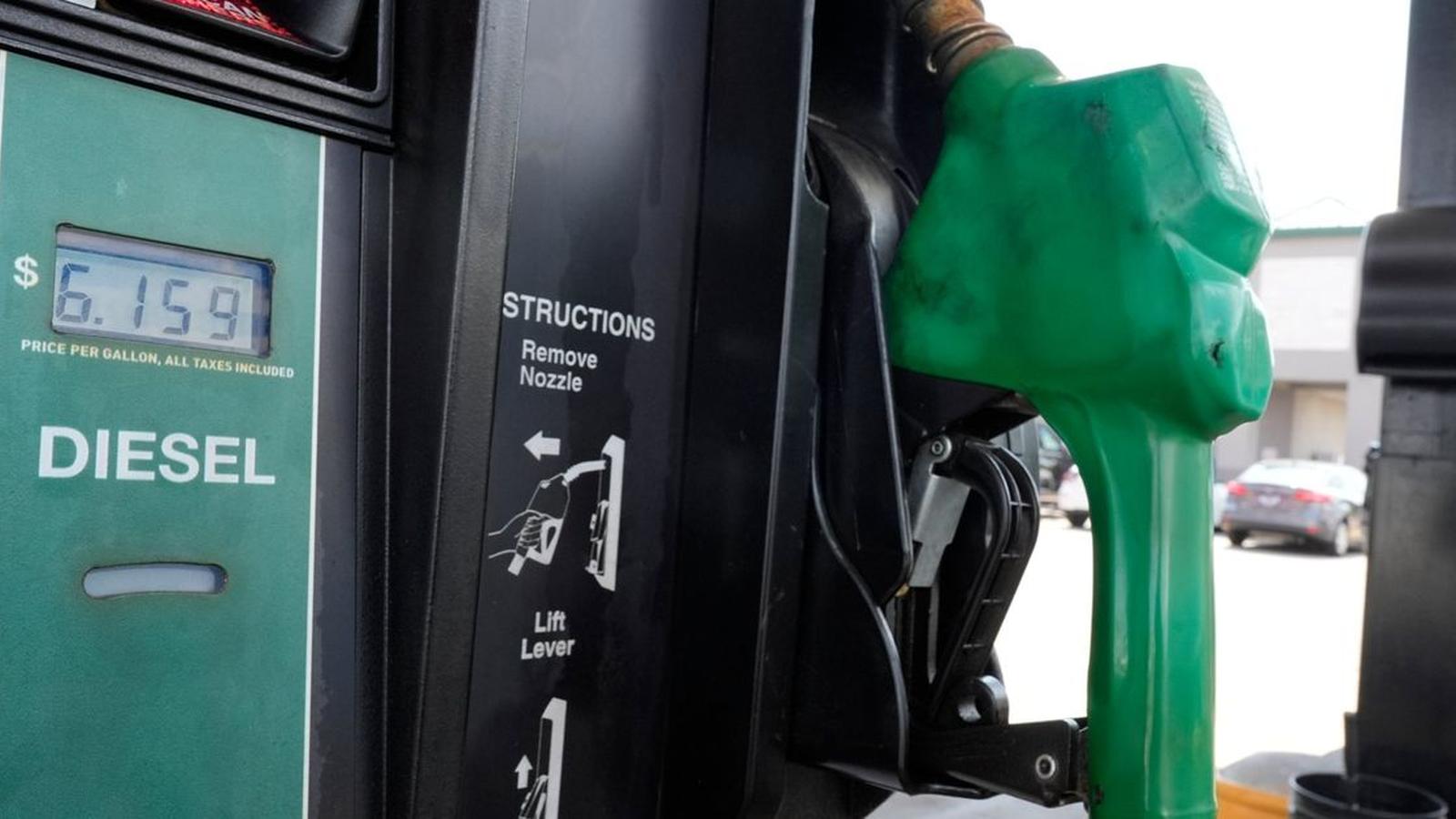
Fuel costs across the United States experienced a significant surge this week, with analysts warning of further “staggering increases” as global oil supplies face sustained pressure from geopolitical conflicts. According to the American Automobile Association (AAA), the national average price for gasoline climbed to $4.37 per gallon on Wednesday, a marked increase from $4.22 just one week prior. Diesel prices have reached even more critical milestones, with some regions reporting averages exceeding $6.30 per gallon.
Tom Kloza, chief energy advisor at Gulf Oil, noted that fuel margins—the difference between wholesale costs and retail prices—have yet to fully reflect recent market hikes, signaling that further volatility is likely. Patrick De Haan, head of petroleum analysis at GasBuddy, projected that diesel could approach $6.60 per gallon in the coming days, potentially surpassing the inflation-adjusted peak observed in 2022.
Geopolitical Drivers of Supply Volatility
The upward pressure on prices is largely attributed to the compounding effects of the ongoing conflict in Ukraine and heightened tensions in the Middle East. The Strait of Hormuz, a vital artery for approximately one-fifth of the world’s oil supply, remains effectively blocked due to regional hostilities. This disruption has been exacerbated by a drone strike on Saudi Arabia’s 745-mile East-West pipeline, forcing the facility to close as a precautionary measure.
Brent crude, the international benchmark, was trading at roughly $107 per barrel on Wednesday, up from approximately $70 before the conflict’s escalation. JP Morgan Wealth Management cited refinery outages and these specific shipping disruptions as key factors in the current market instability.
Regional Disparities and Economic Impact
The impact of rising costs is unevenly distributed across the country. California continues to lead the nation in fuel costs, with averages exceeding $6.04 per gallon. Conversely, states such as Indiana, Texas, and Mississippi have managed to keep prices below the $4.00 mark, though these regions are also seeing steady upward trends. In North Carolina, local reports indicate that freight-dependent industries and agriculture are facing immediate strain as diesel prices accelerate faster than gasoline costs.
President Donald Trump has addressed the ongoing shortages, calling on Ukraine to halt strikes on Russian diesel infrastructure, while Ukrainian President Volodymyr Zelenskyy has indicated a willingness to negotiate if Russia provides reciprocal guarantees regarding critical infrastructure safety. The political stakes remain high as the Biden administration navigates the economic fallout ahead of the midterms.