


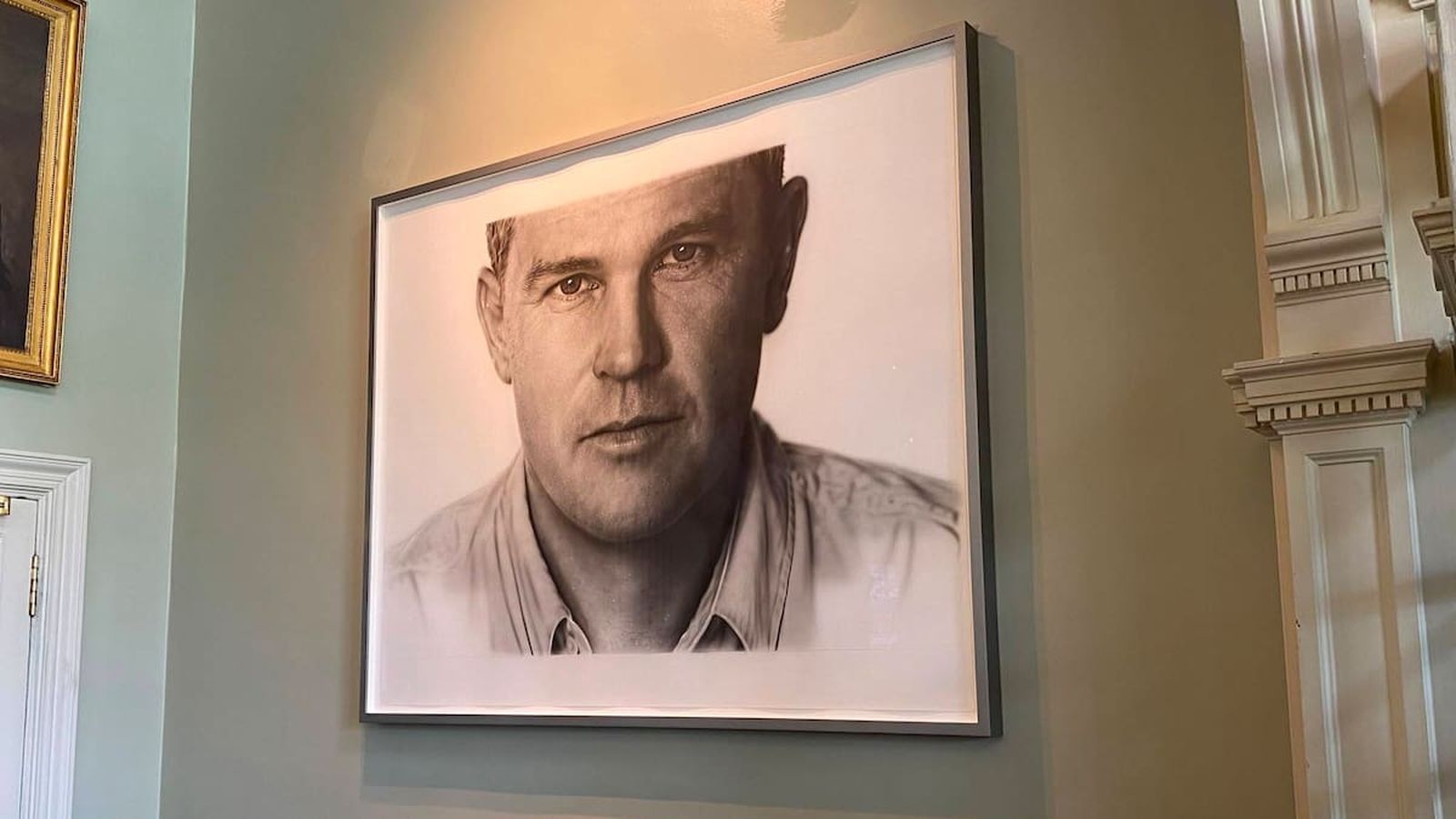
On June 3, 2026, the Marylebone Cricket Club (MCC) unveiled a portrait of the late New Zealand cricket icon Martin Crowe in the Long Room at Lord’s, the ‘Home of Cricket.’ The ceremony took place during the 150th Test match held at the iconic venue, serving as a poignant highlight of the England-New Zealand series.
A Rare Tribute
The MCC rarely commissions posthumous portraits, making this inclusion a significant institutional recognition of Crowe’s legacy. Painted by British artist Jason Brooks, the work utilizes a monochromatic photographic aesthetic, created through the synthesis of thousands of individual images. Crowe’s portrait now hangs in the Long Room alongside legendary figures such as Sir Don Bradman and Sir Viv Richards.
Historical Context and Significance
Martin Crowe, who passed away in 2016 at the age of 53, remains one of New Zealand’s most prolific batters. During his career from 1982 to 1995, he scored over 10,000 runs in international formats. His historical connection to Lord’s began early; he served on the MCC staff in 1981, providing a circular narrative to his eventual elevation within the pavilion.
Analysis of Legacy
The decision to place Crowe in the Long Room reflects a shift in how cricket institutions curate their heritage. By bridging the gap between his 1980s playing days and modern artistic interpretation, the MCC is asserting that Crowe’s influence transcends his statistical records. The portrait serves not merely as a memorial, but as a permanent fixture that grounds the modern New Zealand team—who attended the unveiling—in the historical lineage of the sport. As the current Black Caps squad navigates the 2026 series, the presence of Crowe’s likeness acts as both a reminder of past excellence and an institutional standard for future generations.