


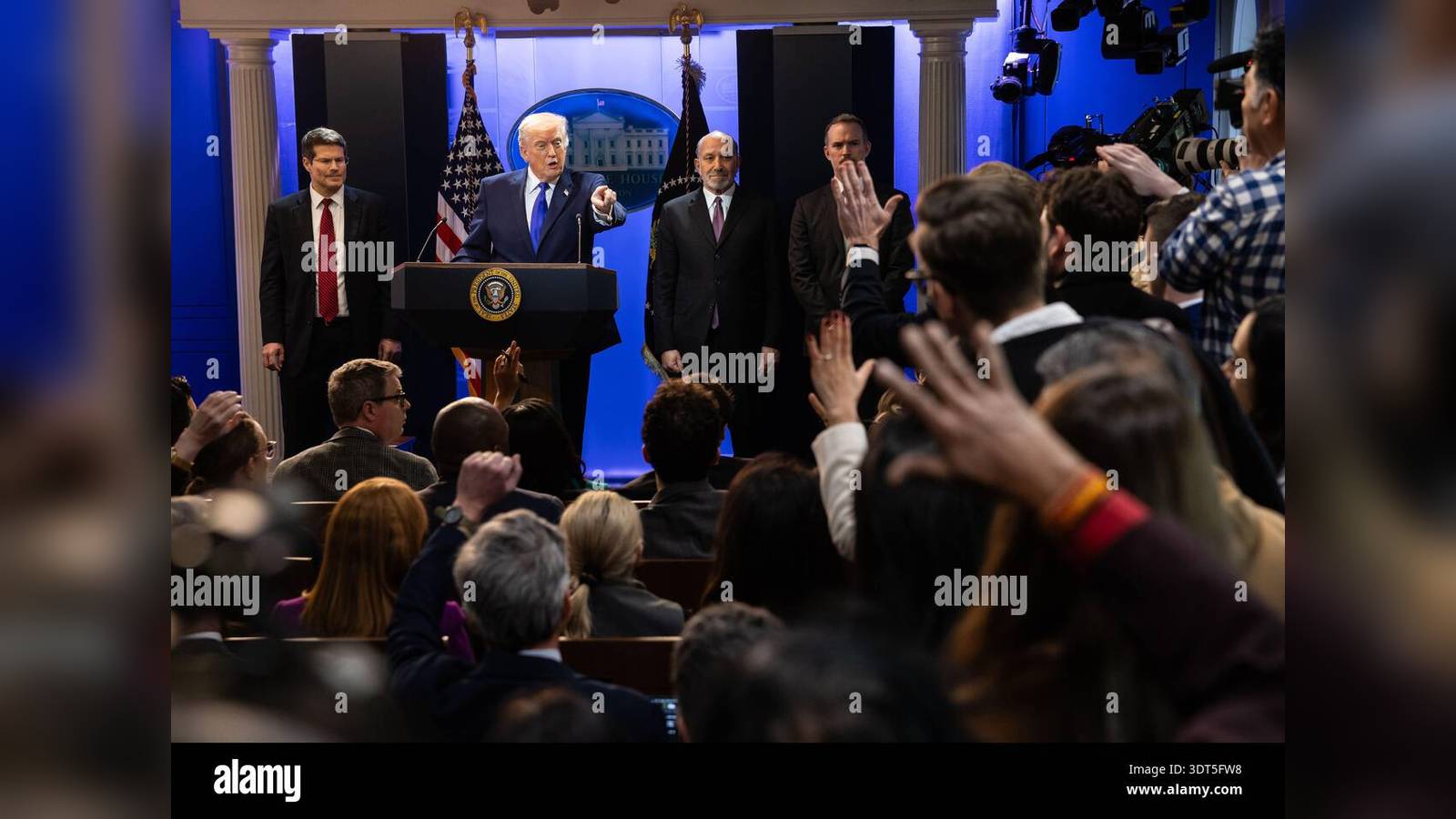
On September 8, 2026, renewed media commentary and public commentary in the United States and Canada brought Section 4 of the 25th Amendment back into public political debate. Pushed by broadcast commentators and diplomatic observers reacting to ongoing presidential policy rhetoric and upcoming congressional midterms, the discussions highlight the constitutional bar for removing a sitting president and the political dynamics within the executive branch.
Renewable Constitutional Debate in Broadcast Media
During the season premiere of ABC’s Daytime talk show The View on September 8, 2026, co-host Sunny Hostin explicitly raised whether the administration should consider invoking the constitutional process, according to reporting by Fox News. Hostin posited a political timeline under which a potential shift in congressional control following the midterms might alter the internal calculus for the executive branch.
Hostin suggested that if Republicans were to lose control of both the House of Representatives and the Senate, members of the Cabinet might seek greater institutional stability, potentially looking toward Vice President JD Vance as a constitutional replacement under the amendment’s provisions. However, fellow co-host Alyssa Farah Griffin immediately countered that proposal, arguing that if Cabinet officials declined to initiate 25th Amendment proceedings following the events of January 6, 2021, similar action remains highly unlikely during a second term.
The discussion follows a pattern of television commentary regarding presidential fitness that has recurred across previous broadcasts. Fox News noted that co-hosts Whoopi Goldberg and Joy Behar previously brought up the 25th Amendment in September 2025 and December 2025 during discussions covering foreign policy negotiations and White House ceremonial events.
International Perspectives and Trade Tension
Beyond domestic daytime television, international commentators have tied constitutional discussions to recent trade and economic rhetoric. Speaking on Canadian network CTV News on September 8, 2026, former U.S. Ambassador James Blanchard stated that Vice President Vance and administration officials might eventually face questions regarding the 25th Amendment if trade friction and public statements continue to disrupt international alliances.
Blanchard argued that severe trade disputes and aggressive tariff rhetoric affect broader diplomatic and economic stability. Observers monitoring cross-border trade policy noted that escalating policy statements have raised concerns among key trading partners, prompting heightened scrutiny from international foreign policy analysts.
Constitutional Thresholds and Political Realities
The 25th Amendment to the United States Constitution, ratified in 1967, establishes clear procedural requirements for declaring a president unable to discharge the powers and duties of the office. Under Section 4, the Vice President and a majority of principal executive department officers—or another body designated by Congress—must transmit a written declaration to congressional leadership stating that the president is incapacitated.
Constitutional scholars consistently emphasize that invoking Section 4 presents an exceptionally high legal and political barrier. Unlike impeachment, which originates in the House of Representatives, initiating the 25th Amendment requires direct action from the president’s own appointed Cabinet officers. If the president contests the declaration, a two-thirds vote in both the House and the Senate is required to maintain the Vice President as acting president, making any successful invocation without bipartisan consensus extraordinarily difficult to execute.