


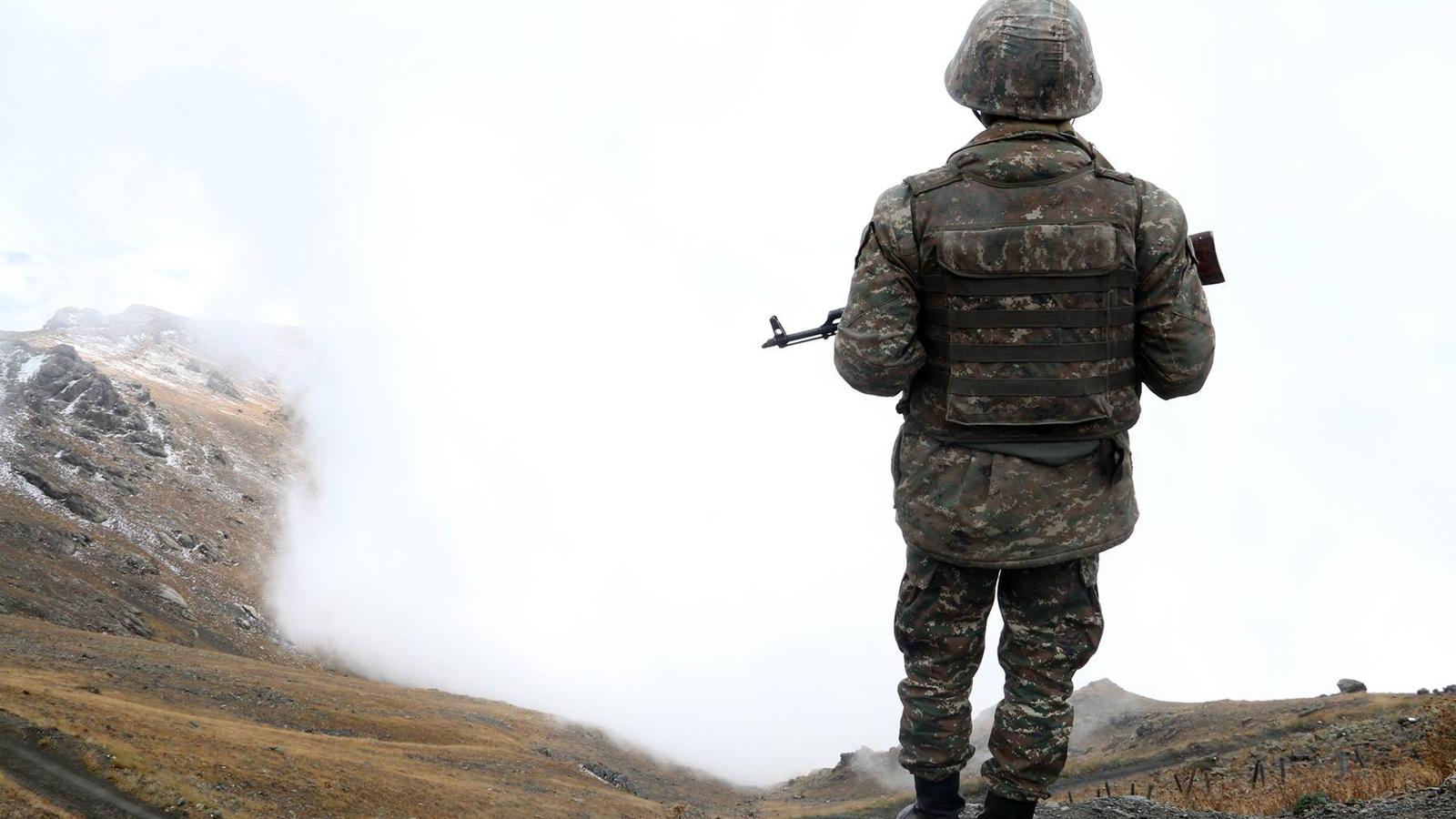
In a decisive move that cements a new date on Armenia’s national calendar, the National Assembly approved January 27 as a Day of remembrance for those who died defending the homeland. The measure, which designates the day as non-working, was carried with broad cross-party backing and a tally of 69 votes in favor to 15 against. The decision, framed as a gesture to honor the sacrifices of servicemen and women, places a formal acknowledgment of loss alongside the more typically commemorative rituals that accompany Armenia’s memory culture. The year is 2026, a time when Armenian society continues to balance collective memory with the realities of the present-day security environment and the demands of modern governance.
The introduction of a dedicated day of remembrance aligns Armenia with a tradition in which the state elevates sacrifice as a touchstone of national identity. Proponents argued that a specific date serves not only to honor the fallen but also to educate younger generations about the costs of defending the country’s sovereignty. The vote’s margin signals a broad consensus among lawmakers that memory is a shared duty, transcending party lines even as individuals voiced concerns about the practical implications of a non-working holiday. In many parliamentary debates, the emphasis rested on the symbolic weight of the decision — a public statement that the state stands alongside families who have endured immeasurable loss. As Armenia’s political life continues to navigate regional tensions and the ongoing need to preserve social cohesion, the January 27 designation is framed as a long-term investment in national memory, resilience, and civic unity.
Beyond the ceremonial aspect, the move has tangible implications for workplaces, schools, and public institutions. The designation of a non-working day raises questions about logistics, exemptions for essential services, and the rhythm of daily life across the country. Supporters argue that municipalities can organize ceremonies at national monuments, museums, and educational institutions to maximize educational value and public participation. Critics, meanwhile, caution against potential disruptions to economic activity, urging careful scheduling and clear guidance for employers. Public ceremonies, veteran associations, and religious communities are expected to lead commemorations, with local authorities entrusted to adapt the observance to regional realities. The decision thus sits at the intersection of memory, governance, and daily life, reflecting a broader debate about how a nation should honor its past while continuing to function in the present.
Internationally, the move has drawn varied commentary, with observers noting that Armenia’s gesture mirrors broader regional trends toward formalizing acts of remembrance as a means of strengthening national identity and public morale. For Armenia’s diaspora communities, the new holiday offers a focal point for commemorations abroad, potentially shaping transnational expressions of mourning and solidarity. At home, the designation is likely to influence school curricula, cultural programming, and media coverage, which in turn may shape collective memory for the coming decades. In this light, January 27 becomes more than a date on a calendar; it becomes a narrative device through which a nation processes loss, honors sacrifice, and reiterates its commitment to national defense and sovereignty.
Final Analysis: The designation of January 27 as a Day of Remembrance underscores a national consensus around sacrifice and defense, but its practical impact will depend on how communities implement ceremonies, education, and commemoration in the years ahead.