


The Strategic Choice
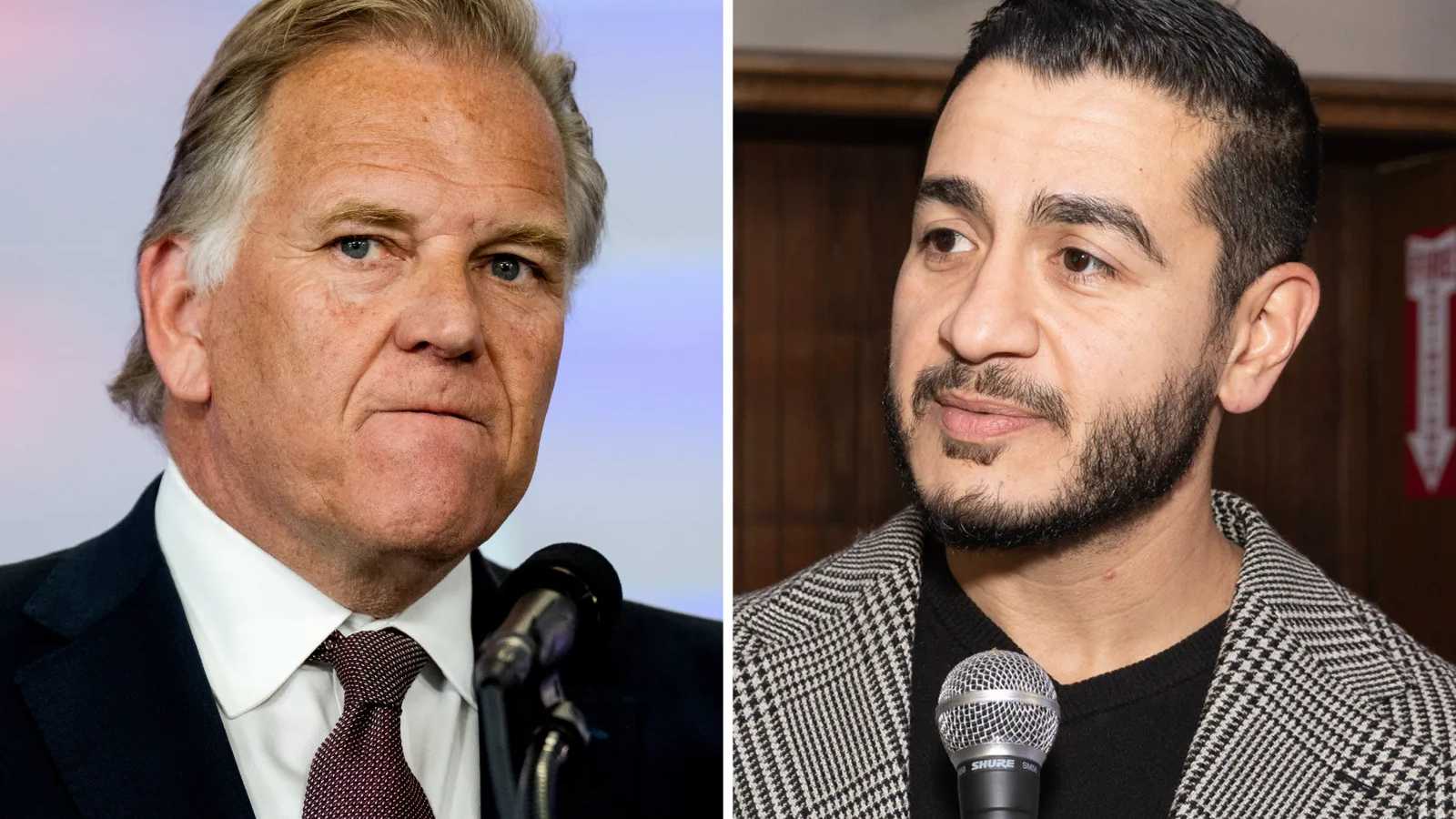
As the 2026 midterm elections approach, Michigan voters are navigating a high-stakes Senate race between Democratic candidate Abdul El-Sayed and former Republican Representative Mike Rogers. According to recent polling, El-Sayed maintains a slight lead in the contest, though the race remains a focal point for various voter blocs, particularly among Jewish Michiganders grappling with conflicting priorities regarding domestic policy and the Middle East, as reported by The Forward.
The underlying reporting is available from forward.com.
The choice has divided the community into distinct camps. One group, “Nonnegotiable Michigan,” has established a list of requirements for their support, including a commitment to “Jewish sovereignty in Israel.” Conversely, “Michigan Jews for Democracy” has pledged support for El-Sayed, citing the necessity of opposing the broader Republican agenda, which they argue threatens American democratic institutions and domestic civil rights.
Divergent Platforms and Past Statements
The candidates offer fundamentally different visions. Abdul El-Sayed has campaigned on a platform that opposes military aid to Israel and has faced criticism for past comments regarding attacks on Jewish institutions, for which he has since apologized. His supporters emphasize his alignment with progressive domestic policies as the primary driver for their vote.
Mike Rogers, meanwhile, presents himself as the alternative for those alienated by El-Sayed’s foreign policy stances. However, Rogers faces significant opposition from voters concerned with his history as an election denier regarding the 2020 presidential contest. Critics further point to his record on abortion access and marriage equality as evidence of an authoritarian-leaning platform that stands in direct opposition to the values held by many liberal Jewish voters.
The Broader Political Landscape
The tension in Michigan reflects a nationwide trend within the Democratic Party, where shifting perspectives on Israel are creating friction for traditional coalitions. An AP-NORC poll cited by The Forward indicates that approximately 58% of Democrats believe the U.S. is currently too supportive of Israel. While this creates a comfortable platform for some progressives, it leaves many Jewish Democrats in a position where they must decide whether to support a candidate despite fundamental disagreements on foreign policy or withhold their vote entirely.
As the election nears, the reality of the two-candidate contest leaves little room for middle ground. Voters are forced to weigh the impact of a potential El-Sayed victory without their support against the implications of a Republican Senate win under Rogers, who represents an administration that many in the Jewish community view as hostile to their long-term interests.