


Adapting to a Shifting Market
Michigan’s wine industry is navigating a significant shift in consumer behavior as global and domestic demand for alcohol continues to wane. With excise wine tax collections in Michigan dropping to $10.1 million last year from $13.8 million in 2021, local producers are increasingly moving away from a product-only business model toward “experiential tourism.”
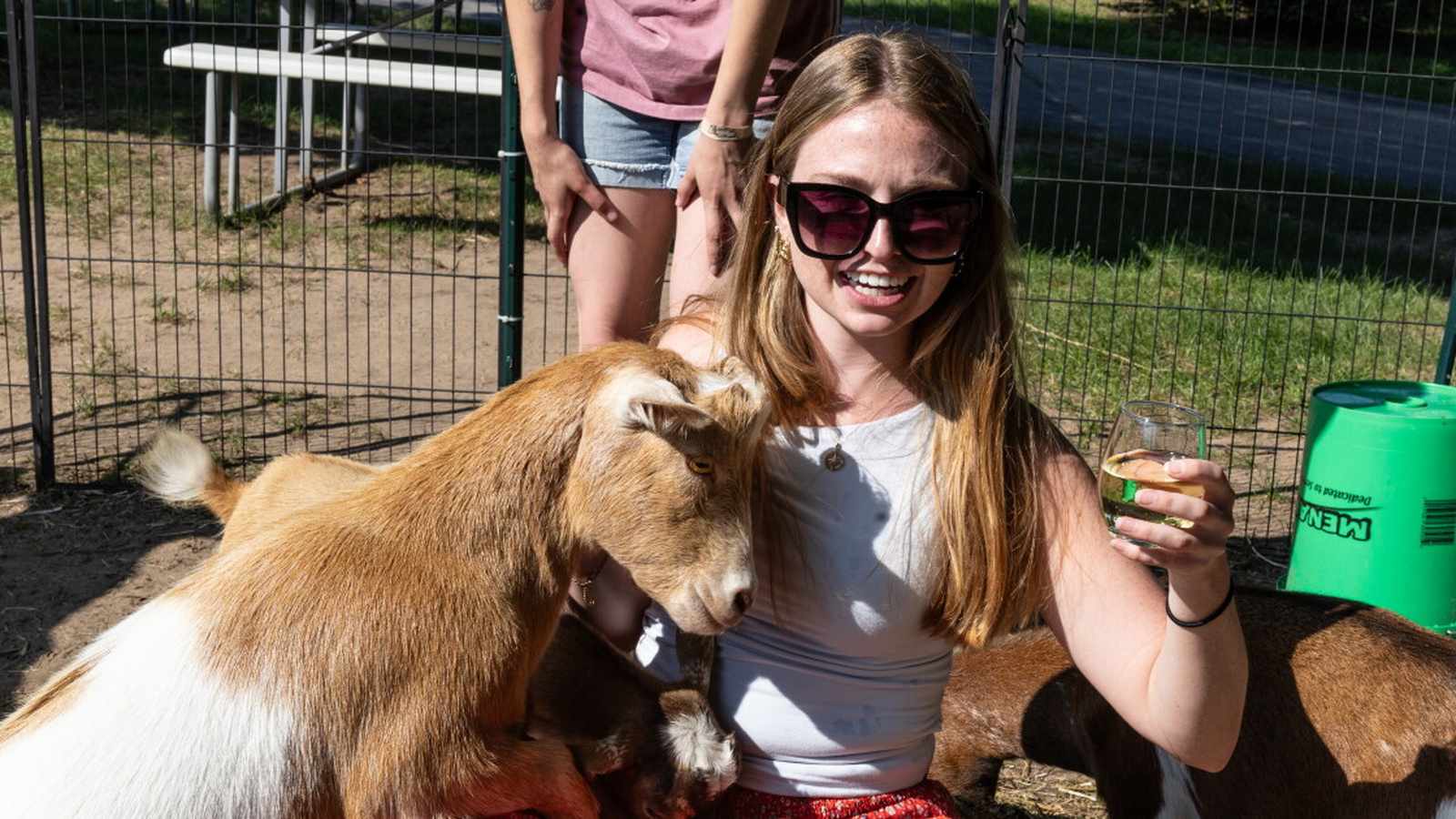
The trend is most visible in the Traverse City region, where wineries like Black Star Farms have introduced unconventional attractions, such as “Goat Social Hour.” These events allow guests to interact with animals while sampling wine, a strategy designed to broaden the appeal of the farm beyond traditional tasting rooms.
The Data Behind the Pivot
The pivot comes as industry reports confirm a persistent downward trend in consumption. The International Organisation of Vine and Wine reported a 2.7% global decline in wine consumption for 2025—the fourth consecutive year of contraction. Domestically, the situation is even more pronounced, with U.S. wine consumption falling 4.3% last year. A recent Gallup poll suggests these figures reflect a broader societal change, showing that only 54% of adults now drink alcohol, the lowest level recorded since 1939.
Despite these headwinds, Michigan wineries are showing resilience. A 2025 Wine America study found that wineries contributed nearly $9 billion to the state’s economy, a 42% increase from three years prior. Experts attribute this growth to the industry’s ability to evolve into an entertainment-focused sector.
Creating Memorable Experiences
“They’re coming for the whole entertainment experience,” said Dan McCole, an associate professor of tourism at Michigan State University. “They’re innovating with how to enhance the experience.”
Across the state, wineries are hosting a diverse array of activities to keep traffic flowing, including live music performances, yoga classes paired with mimosas, snowshoe hikes through vineyards, and murder mystery dinners. For owners like Sherri Campbell Fenton of Black Star Farms, these events serve a practical purpose: “The best thing about the goat events is that they bring people to us who might never come to the winery… and allow us to potentially gain new fans for our wines.”
As Traverse City Tourism President Trevor Tkach noted, relying on local demand is not a viable long-term strategy for northern Michigan businesses. By positioning wineries as destinations for family-friendly and memorable experiences, operators hope to sustain the influx of the more than 130 million annual travelers to the state.