


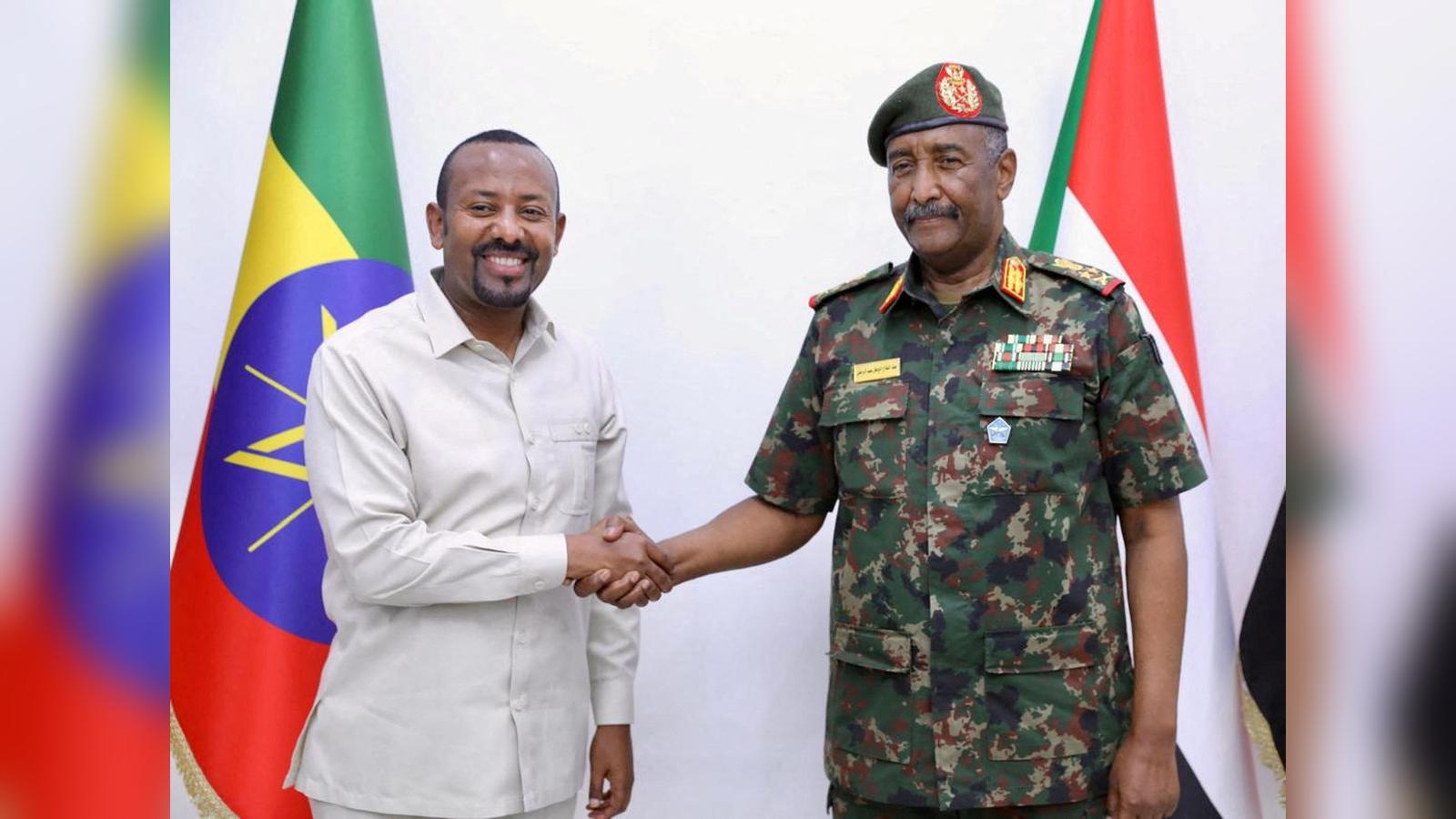
Diplomatic Ties Severed at the Border
Sudan and Ethiopia have engaged in a significant diplomatic rupture, shuttering each other’s border-region consulates and ordering staff to depart within 48 hours. The tit-for-tat expulsions, confirmed by officials to Al Jazeera and other international news agencies on Wednesday, November 4, 2026, represent a sharp deterioration in regional relations. The developments followed a formal complaint lodged by the Sudanese government with the United Nations Security Council and the African Union on Sunday, November 1, 2026.
Addis Ababa initiated the sequence by ordering the closure of the Sudanese consulate in the border town of Asosa and expelling six staff members. In immediate retaliation, Khartoum declared the personnel at the Ethiopian consulate in the eastern Sudanese city of Gadarif persona non grata, mandating their departure within the same two-day window. Neither side provided a specific official justification for the expulsions, though the actions occur against a backdrop of intensifying mutual suspicion regarding cross-border support for internal insurgencies.
The Intersection of Civil Wars
The collapse of diplomatic channels at the border highlights a dangerous intersection between Sudan’s ongoing war with the Rapid Support Forces (RSF) and Ethiopia’s internal struggles against Tigrayan rebels. Sudan has formally accused Ethiopia of permitting the RSF to utilize its territory to launch drone strikes against Sudanese infrastructure, including recent attacks on electricity substations in al-Dabba and Abu Hamad. Amjad Farid, a political adviser for Sudan’s Transitional Sovereign Council, stated that while the government remains committed to its right to defend its territory, it is attempting to avoid an open military confrontation that would overextend its already exhausted armed forces.
Conversely, Ethiopia maintains that Sudan is providing support to rebel factions fighting the central government in Addis Ababa. Both nations have consistently denied these allegations, yet the rhetoric suggests a hardening of positions that threatens to merge two distinct civil conflicts into a broader regional struggle. The humanitarian stakes are severe; the civil war in Sudan, which erupted in 2023, has already displaced more than 14 million people and killed tens of thousands, creating what the United Nations describes as one of the world’s most dire crises.
Regional Instability
This diplomatic friction is not isolated. Ethiopia’s recent actions follow a broader pattern of regional volatility, including the expulsion of 10 Eritrean diplomats and the closure of its embassy in Asmara on October 1, 2026, which prompted Eritrea to sever ties. Furthermore, Ethiopia expelled an Egyptian diplomat in October, reflecting long-standing tensions over the Grand Ethiopian Renaissance Dam on the Blue Nile.
For Sudan, the closure of the Gadarif consulate removes a critical mechanism for border management and communication, potentially complicating the movement of humanitarian aid and the monitoring of cross-border insurgent activity. As both nations continue to trade accusations, the risk of miscalculation remains high. The Sudanese military, already struggling to maintain control in the southeast, faces the prospect of managing a hostile border while simultaneously battling the RSF. International observers remain concerned that the lack of diplomatic dialogue will prevent the de-escalation of border tensions, potentially drawing other regional powers into a conflict that is increasingly defined by its spillover potential rather than its domestic origins.