

Quick Read
- Gas leak on N Kings Hwy caused by vehicle crash.
- Venomous wildlife washing ashore due to strong currents.
- Authorities advise using vinegar for stings.
Emergency Response and Infrastructure Strain
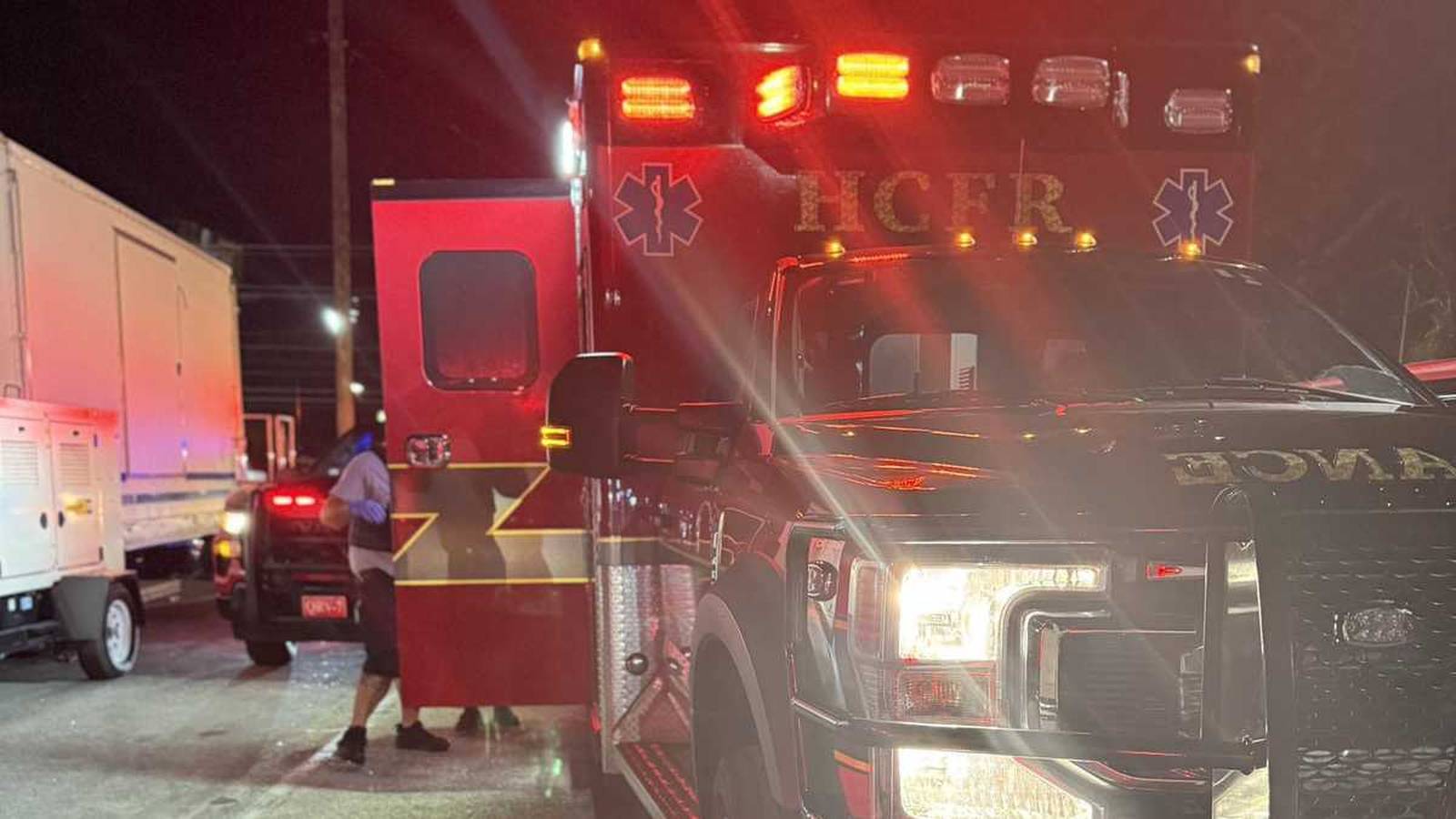
On May 25, 2026, the coastal hub of Myrtle Beach, South Carolina, experienced a concentrated series of public safety incidents that tested the capacity of local emergency services and heightened concerns among residents and tourists alike. The day began with a significant industrial hazard when a two-vehicle collision on North Kings Highway resulted in a localized gas leak. According to Horry County Fire Rescue (HCFR), the crash occurred in the 9700 block of the highway, necessitating the temporary closure of all traffic lanes to facilitate emergency repairs by Dominion Energy. While the gas line was successfully secured by 8:00 a.m., the incident resulted in the hospitalization of two individuals, highlighting the vulnerability of the region’s critical transit infrastructure during peak visitor seasons.
Environmental Hazards and Public Health
Simultaneous to the vehicular and utility incidents, the Myrtle Beach Police Department (MBPD) issued an urgent environmental warning regarding the presence of venomous wildlife washing ashore. Strong coastal currents have deposited organisms along the coastline that possess potent stinging cells. Local authorities have advised beachgoers to exercise extreme caution and to utilize vinegar as an immediate first-aid measure to neutralize stinging cells while seeking professional medical attention. The juxtaposition of these environmental threats with ongoing public safety operations places a considerable burden on local lifeguards and municipal responders, who must now balance traditional rescue operations with the mitigation of biological hazards.
Assessing the Impact on Tourism
Myrtle Beach remains a premier destination for domestic and international tourism, and the efficacy of the city’s response to these multifaceted threats is critical to maintaining public perception. While the incidents on May 25 are distinct in nature—ranging from infrastructure accidents to naturally occurring biological events—the cumulative effect of these alerts can influence visitor behavior. The city’s ability to maintain clear communication channels, as evidenced by the prompt warnings issued by the MBPD and HCFR, serves as a primary tool in managing the stakes of a major tourist season. Institutional resilience in this context is defined by the speed of recovery and the transparency of government communication regarding public safety protocols.
The convergence of infrastructure failures and environmental warnings on May 25 underscores the complexity of managing a high-traffic coastal municipality. As Myrtle Beach continues to navigate the logistical demands of a significant tourist destination, the integration of real-time public safety alerts with robust emergency response protocols remains essential. The city’s resilience will likely be measured not only by its immediate response to these isolated events but by its capacity to implement long-term preventative measures that secure both the physical safety of its residents and the economic stability provided by its tourism sector.