


The Toss in Windhoek: Strategic Intent and Ground Realities
In the high-stakes environment of the 2026 T20I Tri-Series, Namibia captain Gerhard Erasmus made a calculated decision at the toss, opting to bowl first against South Africa in the sixth match of the tournament at the Namibia Cricket Ground in Windhoek. This tactical choice, reported in real-time by Cricbuzz, is not merely a standard preference for chasing; it is a direct response to the unique ground dimensions, recent pitch behavior, and the evolving dynamics of the three competing nations.
The Windhoek venue has quickly gained a reputation during this series as a high-scoring ground with a rapid outfield and relatively short straight boundaries. Captains have found defending totals to be an uphill task, particularly in the final overs when the ball flies easily over the straight ropes. By electing to field, Namibia aims to exploit any early morning moisture or assistance for the seamers, while keeping a clear, calculated target in mind for their explosive middle and lower order.
This report draws on information published by cricbuzz.com and cricbuzz.com.
The Ghost of the Zimbabwe Thriller: Namibia’s Finishers Stand Tall
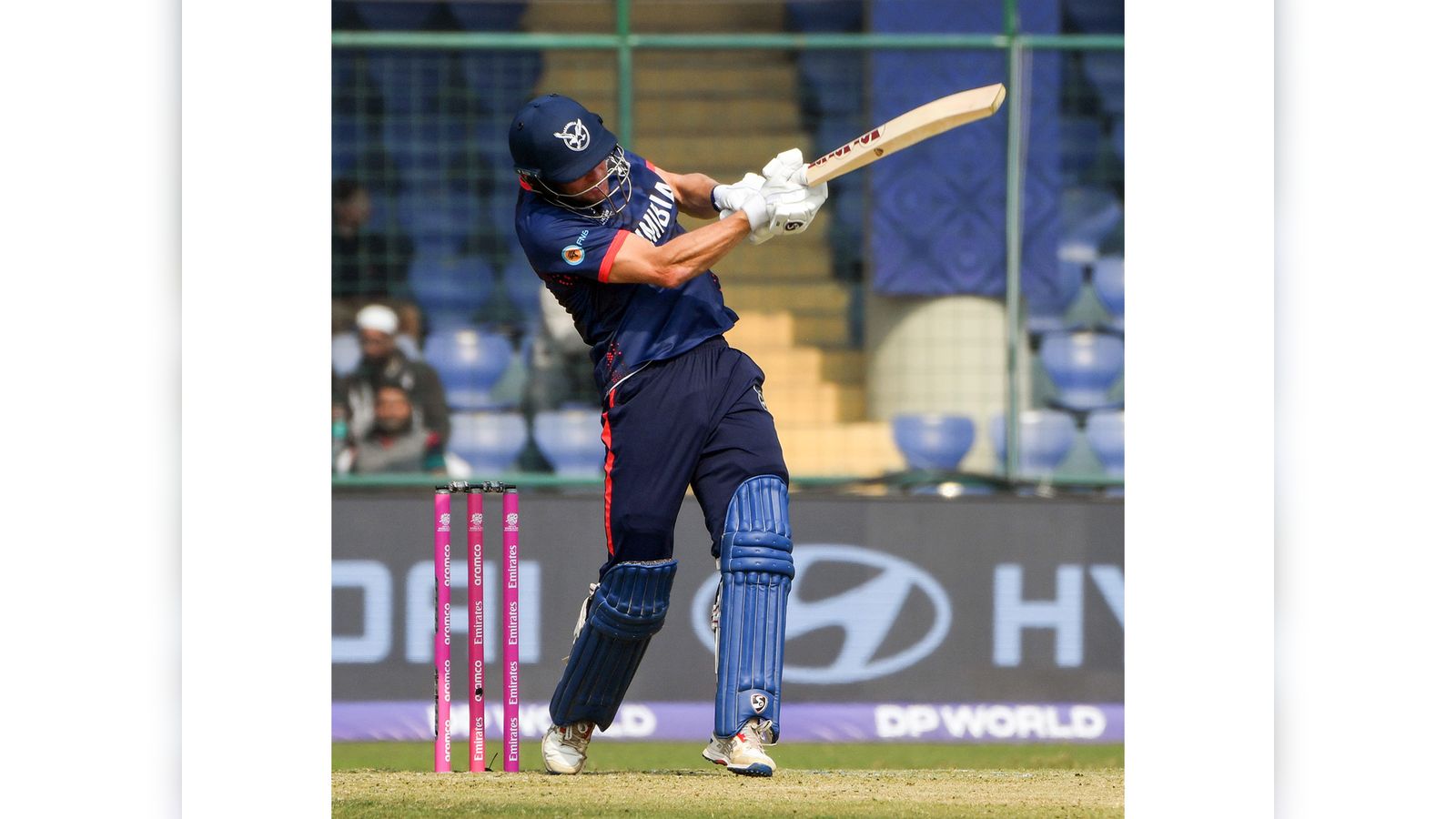
Namibia’s decision to chase is heavily informed by their dramatic encounter against Zimbabwe in the third match of the series. Chasing a formidable target, Namibia found themselves seemingly out of the contest by the 12th over. However, a sensational 100-run partnership between wicketkeeper-batsman Zane Green and the young talent Alexander Volschenk turned the match on its head. Green smashed 54 off just 26 deliveries, showcasing inventive scoop shots and reverse sweeps that completely disrupted Zimbabwe’s field placements. Volschenk supported him brilliantly with a mature 56 off 29 balls, including four massive sixes.
Although Namibia ultimately fell agonizingly short in the final over—with Zimbabwe’s Brad Evans defending 16 runs under immense pressure to secure a run-out-fueled victory—the performance sent a clear message. Gerhard Erasmus later reflected on the match, noting that the late-innings surge proved how difficult it is for bowlers to defend on this quick outfield. The resilience shown by Green and Volschenk has given the Namibian camp immense confidence that no target is truly out of reach on this ground, making the decision to bowl first a highly logical one.
South Africa’s Resurgence and the Dewald Brevis Threat
South Africa enters this sixth match with significant momentum after a mixed start to their campaign. Having suffered a shocking defeat to hosts Namibia in the tournament opener, the Proteas bounced back in spectacular fashion against Zimbabwe in the second match. The catalyst for their revival was none other than the explosive Dewald Brevis, who put on a batting masterclass.
Chasing Zimbabwe’s modest total of 144/8, South Africa made light work of the target, reaching 146/3 in just 13.4 overs. Brevis, deservedly named Player of the Match, launched his very first delivery for a six and went on to smash an unbeaten 75 off just 32 balls, including six towering maximums. Supported by solid contributions from Jordan Hermann and Pretorius at the top of the order, South Africa’s batting lineup demonstrated that they can demolish any bowling attack when given a batting-friendly deck. By bowling first, Namibia’s bowlers, led by the promising Max Heingo, face the monumental task of neutralizing Brevis and preventing the South African top order from establishing a massive platform early in the innings.
Tactical Matchups and Key Battles
The success of Namibia’s decision to bowl first will rest heavily on the powerplay overs. Namibia’s opening bowlers must find a way to extract early movement from the Windhoek pitch to dismiss South Africa’s top order before they can settle. If Brevis or Hermann survive the initial overs, Namibia could find themselves chasing a monumental total. Conversely, South Africa’s captain, Bjorn Fortuin, will look to use his spin options and the tactical variations of seamers like Kwena Maphaka and Corbin Bosch to keep the Namibian batters under wraps when the chase begins.
For Namibia, the bowling performance of Max Heingo will be crucial. Erasmus previously highlighted Heingo’s special spells as a major positive, and his ability to maintain discipline in the middle overs will be key to restricting South Africa’s scoring rate. Additionally, the tactical battle between South Africa’s death bowlers and Namibia’s established finishing duo of Zane Green and Alexander Volschenk promises to be the defining segment of the match. If Namibia can keep South Africa under 180, their deep batting lineup will fancy their chances of executing a successful chase and securing a vital victory in this highly competitive tri-series.