


The Ankara Agenda: Strengthening the Transatlantic Shield
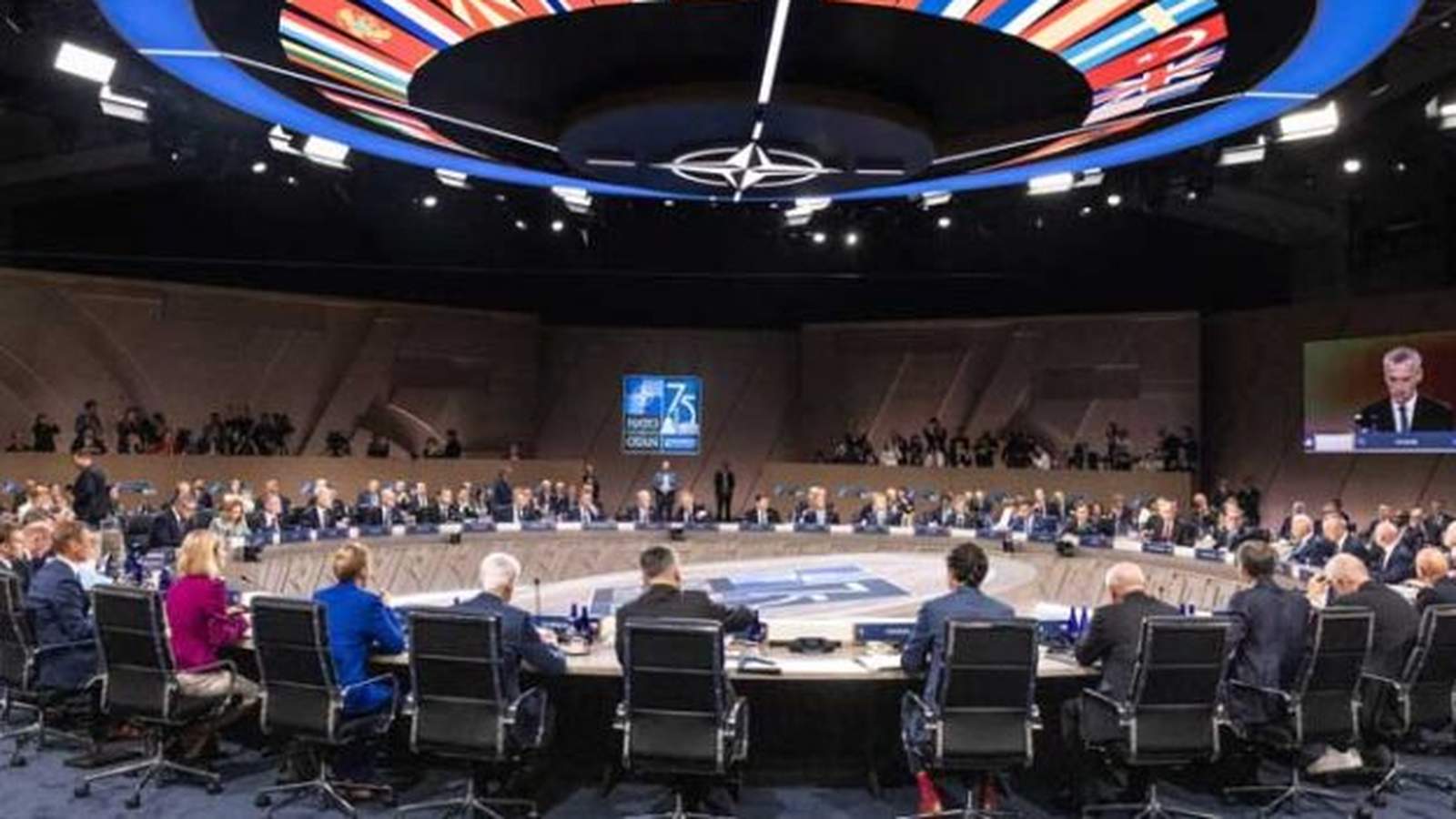
NATO leaders are convening in Ankara, Turkey, on July 7-8, 2026, for a pivotal summit focused on the fundamental restructuring of the alliance’s defense posture. With 32 member states in attendance, including U.S. President Donald Trump, the summit serves as a critical checkpoint for the ambitious goal of reaching 5% of GDP in defense spending by 2035.
According to reports, the alliance is shifting its focus from mere budget increases to the expansion of domestic defense industrial capacity. The NATO Summit Defence Industry Forum (NSDIF) is a centerpiece of the event, where officials and industry leaders will coordinate on scaling up production of critical components, including drone technology and missile defense systems. A draft declaration suggests that European allies and Canada have already increased investments in core defense requirements by over $139 billion in 2025 alone.
Support for Ukraine and Geopolitical Stakes
The alliance is set to reaffirm its military commitment to Ukraine, with pledges of €70 billion in military equipment and training for 2026, and commitments to sustain equivalent levels into 2027. Officials suggest that Ukraine is also expected to finalize major defense deals with at least seven NATO countries by the end of the year, underscoring a move toward bilateral procurement partnerships.
For the host nation, Turkey, the summit represents a strategic opportunity. President Recep Tayyip Erdogan is expected to leverage the gathering to advocate for the advancement of procurement projects like the SAMP/T missile system and to seek a path toward reinstatement in the F-35 fighter jet program, while pushing for the removal of existing defense trade restrictions.
Analysis: The Cost of Security
The aggressive push for a 5% defense spending benchmark—with 3.5% for core defense and 1.5% for resilience and cybersecurity—signals a departure from the traditional 2% threshold. While proponents argue this is necessary to address the security environment in Europe, critics warn that such a rapid mobilization of resources creates an arms race that diverts essential funding from social programs, healthcare, and climate change mitigation.
The tension between traditional military security and domestic stability remains a recurring theme. With the U.S. and key European economies proposing significant budget hikes, the summit faces the challenge of maintaining public support while justifying the transition to a high-capacity, industry-heavy security model. The success of the Ankara Summit will be measured not just by the billions in new contracts, but by whether the alliance can harmonize these expanded defense requirements with the pressing socio-economic needs of its member populations.