


Differing Views on Mobile Device Policies
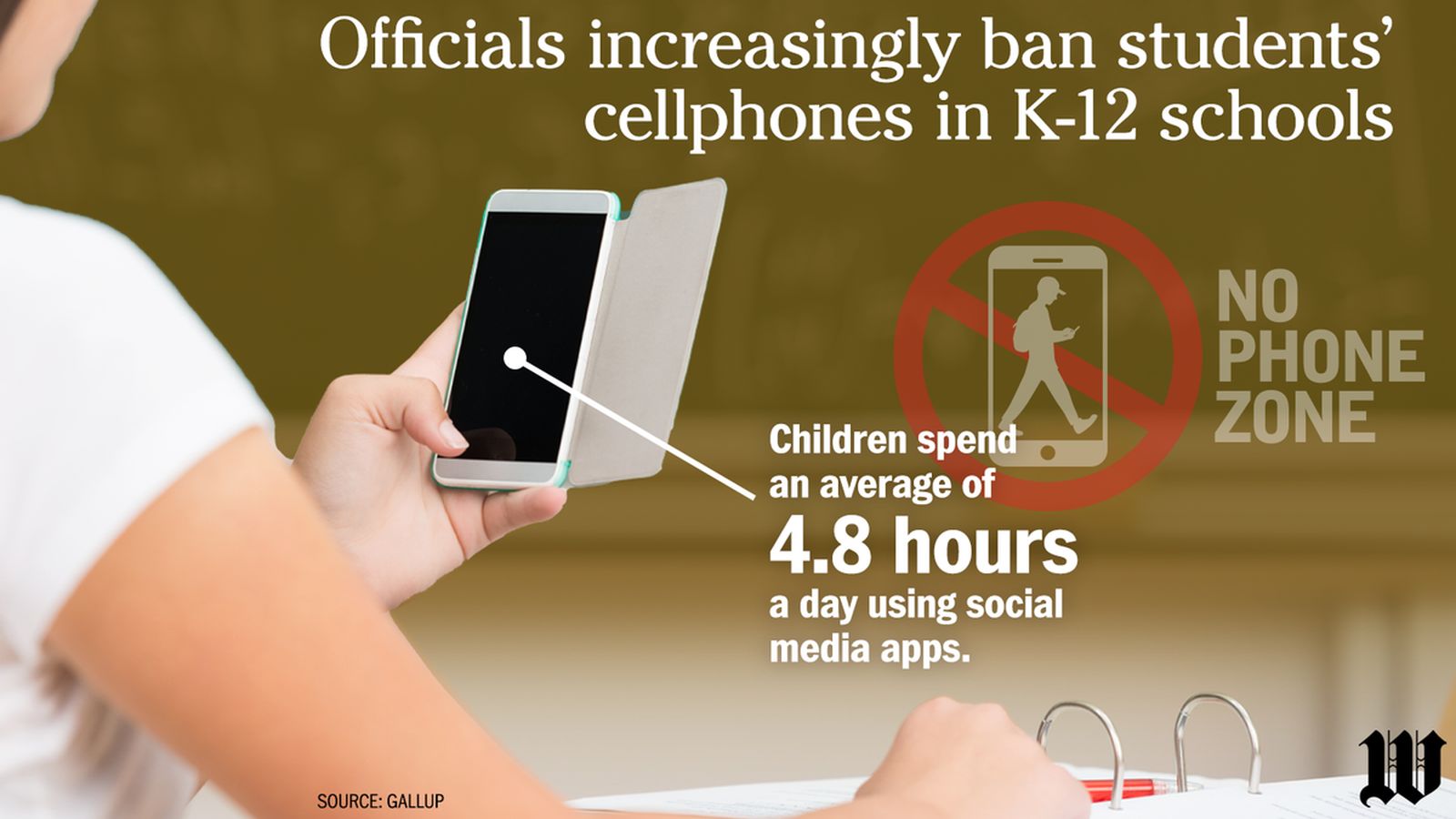
As state lawmakers and school administrators across North Carolina increasingly implement restrictive policies on cell phone use during the school day, the students directly impacted by these rules are offering a nuanced perspective. WRAL recently convened a panel of high school students to discuss whether these bans are achieving their intended goals of improving focus and reducing interpersonal conflict.
The student consensus suggests that current policies are generally manageable, though not necessarily a panacea for behavioral issues. Aaditi Pandey, a junior at Green Hope High School, noted that the structure—stowing devices at the start of class while retaining access during transitions or lunch—is a reasonable compromise. For some, the change has been positive. Paige Lawson, a senior at Garner Magnet High School, observed that while she might have resisted such a policy in middle school, she recognizes the benefits for younger students today, noting that her brother’s middle school experience is significantly less distracted than her own was.
The Disconnect in Bullying Definitions
While administrators often link phone restrictions to a reduction in bullying, the student panel expressed skepticism regarding this direct correlation. They argue that there is a fundamental disconnect between how adults perceive bullying and how it manifests in the digital age. Paridhi Dhakhal, a junior at Enloe High School, explained that adults often fixate on “classic” high school bullying—characterized by overt confrontation—while missing the “below the surface” dynamics that dominate modern social interactions.
The students emphasized that social media has fundamentally altered the landscape of bullying. Despite mandatory cyberbullying seminars, the practice remains pervasive. The consensus among the panel is that current adult-led initiatives often fail to capture the subtle, constant nature of digital peer pressure and exclusion.
Guidance for Parents
When asked what parents should do to address these issues, the students urged a shift toward more realistic communication. Sara Anderton, a senior at Fuquay-Varina High School, suggested that parents look to their children’s peers for insight, as students are more likely to understand the social currents affecting their classmates. Amirah Williams, a senior at Middle Creek High School, added that parents need to acknowledge the teenage desire for social conformity. Rather than strict prohibitions, the panel recommended open, non-judgmental conversations about identity and social choices to help students navigate the complexities of high school life.