


A Growing Safety Crisis
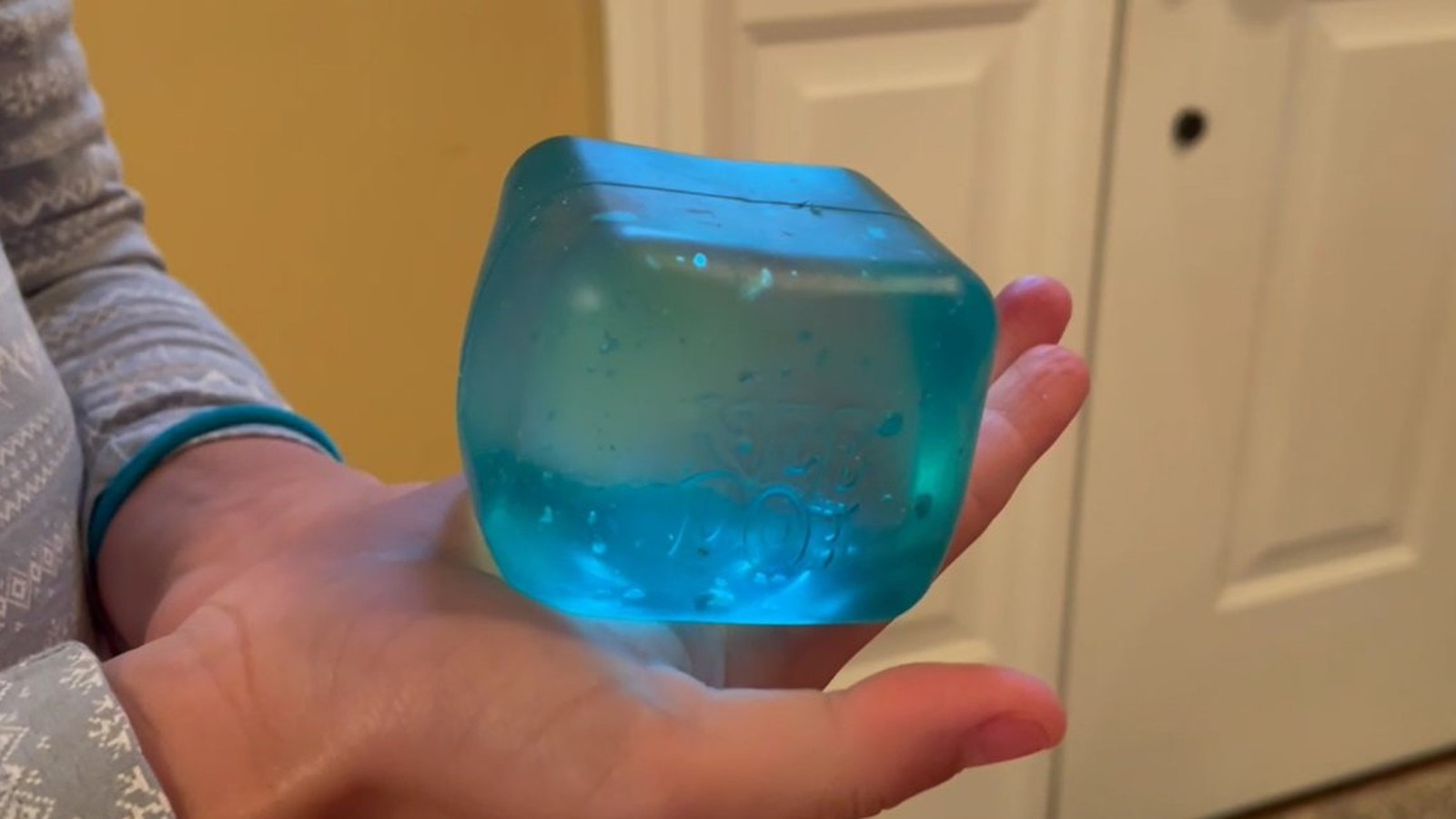
A viral social media trend encouraging children to microwave or heat ‘NeeDoh’ sensory toys has triggered a wave of serious burn injuries across the United States. Medical professionals and burn centers are reporting an increasing number of cases where children have suffered second- and third-degree burns after the toys ruptured, releasing a hot, adhesive-like gel.
Dr. Alisa Savetamal, Medical Director of the Connecticut Burn Center at Bridgeport Hospital, describes the substance as a ‘solid syrup’ that retains heat and adheres to human skin. Unlike common spills, the gel’s viscosity makes it difficult to remove, which can deepen the burn significantly. Injuries range from redness and pain similar to severe sunburns to blistering second-degree burns requiring emergency medical intervention.
The Mechanism of Injury
The danger lies in the toy’s internal composition. NeeDoh products are designed as squishy, dough-filled sensory items and are not intended to be exposed to extreme temperatures. When placed in a microwave or left in direct sunlight—such as inside a hot car—the internal gel can reach temperatures capable of causing permanent tissue damage. Dr. Emily Werthman, manager of the Johns Hopkins Burn Center, has documented approximately a dozen such cases as of July 2026.
The impact is not limited to domestic settings. In June 2026, a family in West Virginia faced an emergency situation when a NeeDoh toy burst on a young girl’s legs while in a moving vehicle. The substance solidified upon contact, forcing the family to seek immediate care at an emergency room in South Williamson, Kentucky, where staff had to remove the child’s clothing to treat the adhesion and thermal damage.
Legal and Institutional Response
Manufacturer Schylling is currently facing a proposed class-action lawsuit alleging that the company failed to provide adequate warnings regarding the rupture and severe burn risks associated with heating the products. While Schylling reportedly added warning labels regarding heating, freezing, or microwaving in early 2025, plaintiffs argue that these measures were insufficient to protect consumers from the risks posed by the viral trend, which first gained traction in late 2024.
In response, Schylling has publicly stated that the safety of consumers is its ‘top priority.’ The company is actively collaborating with social media platforms, including TikTok, to remove content that promotes the misuse of their products. They urge parents and caregivers to supervise play strictly and to adhere to all manufacturer instructions.
Medical Guidance for Burn Victims
Burn specialists emphasize immediate action if a child is exposed to the heated gel. Dr. Savetamal advises parents to remove the substance from the skin immediately and run cool—not cold—tap water over the affected area for at least 20 minutes. If the burn is severe, covers a large area of the face or hands, or if pain persists, medical attention should be sought immediately. Poison Control centers have also been involved in assessing the chemical nature of the substance, as the gel can cause complications beyond standard thermal injury.