


A Shift in Consumer Behavior
In New Orleans, the weekly ritual of grocery shopping is undergoing a significant transformation. Driven by a relentless series of food recalls and an alarming spike in Cyclospora infections, residents are increasingly bypassing conventional supermarkets in favor of the Crescent City Farmers Market. Shoppers, facing a cascade of health alerts, are prioritizing the ability to interact directly with the individuals who grow their food.
Miranda Hildebrand, a regular visitor to the market, describes the current environment as “scary.” She noted that the frequency of recall announcements, ranging from physical contaminants like glass shards to widespread bacterial threats, has eroded her trust in mass-market brands. “It makes it feel a little scary to even be able to trust when you go out to eat or what you’re putting in your homes,” Hildebrand said.
The Scale of the Cyclospora Outbreak
The current anxiety is largely tied to a massive, ongoing outbreak of cyclosporiasis, a gastrointestinal illness caused by the Cyclospora parasite. Data from the Centers for Disease Control and Prevention (CDC) as of August 2026 reveals a stark escalation: 15,716 laboratory-confirmed cases have been reported in the U.S. since May 1, compared to just 1,180 during the same period in 2025. With 828 hospitalizations and two deaths linked to the domestic outbreak, the health stakes are severe.
The CDC attributes much of this increase to processed iceberg lettuce sourced from central Mexico. Taylor Farms, a major supplier, issued a recall for its iceberg lettuce in July after investigations suggested human waste contamination in the fields. While the investigation continues, the CDC is simultaneously tracking at least six other clusters for which the contamination sources remain unconfirmed.
Direct Accountability vs. Industrial Supply Chains
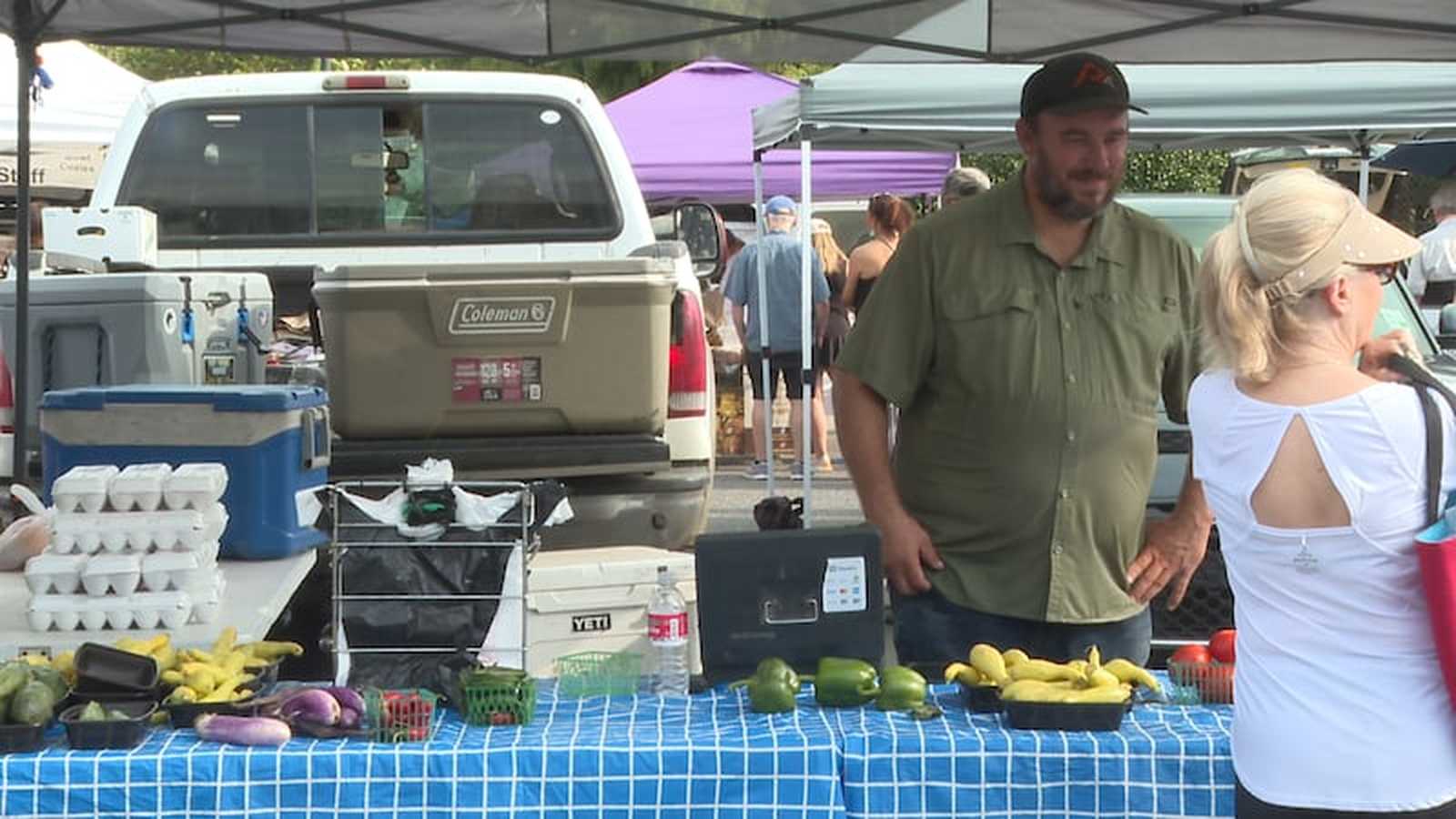
For farmers like Andrew Dennis, who travels from Monticello, Mississippi, to supply the Crescent City Farmers Market, the change in customer inquiries is palpable. “Customers in the past took for granted and just bought things,” Dennis observed. “Now… they’re more aware of what’s going on. Asking questions.”
This shift reflects a desire for the “one-on-one” accountability that small-scale agriculture provides. Unlike industrial supply chains, where products pass through numerous processing plants and distribution hubs, farmers market vendors often manage the entire lifecycle of their crops. Dennis emphasizes that transparency regarding hygiene practices, pest management, and direct monitoring of plant health serves as a critical buffer against the systemic failures seen in large-scale food production.
However, the transition to local markets is not without limitations. Due to seasonal harvesting cycles, some products—such as lettuce—are not always available, forcing consumers to reconcile their safety concerns with the realities of local food availability.