


A Public Repudiation of Former Allegiance
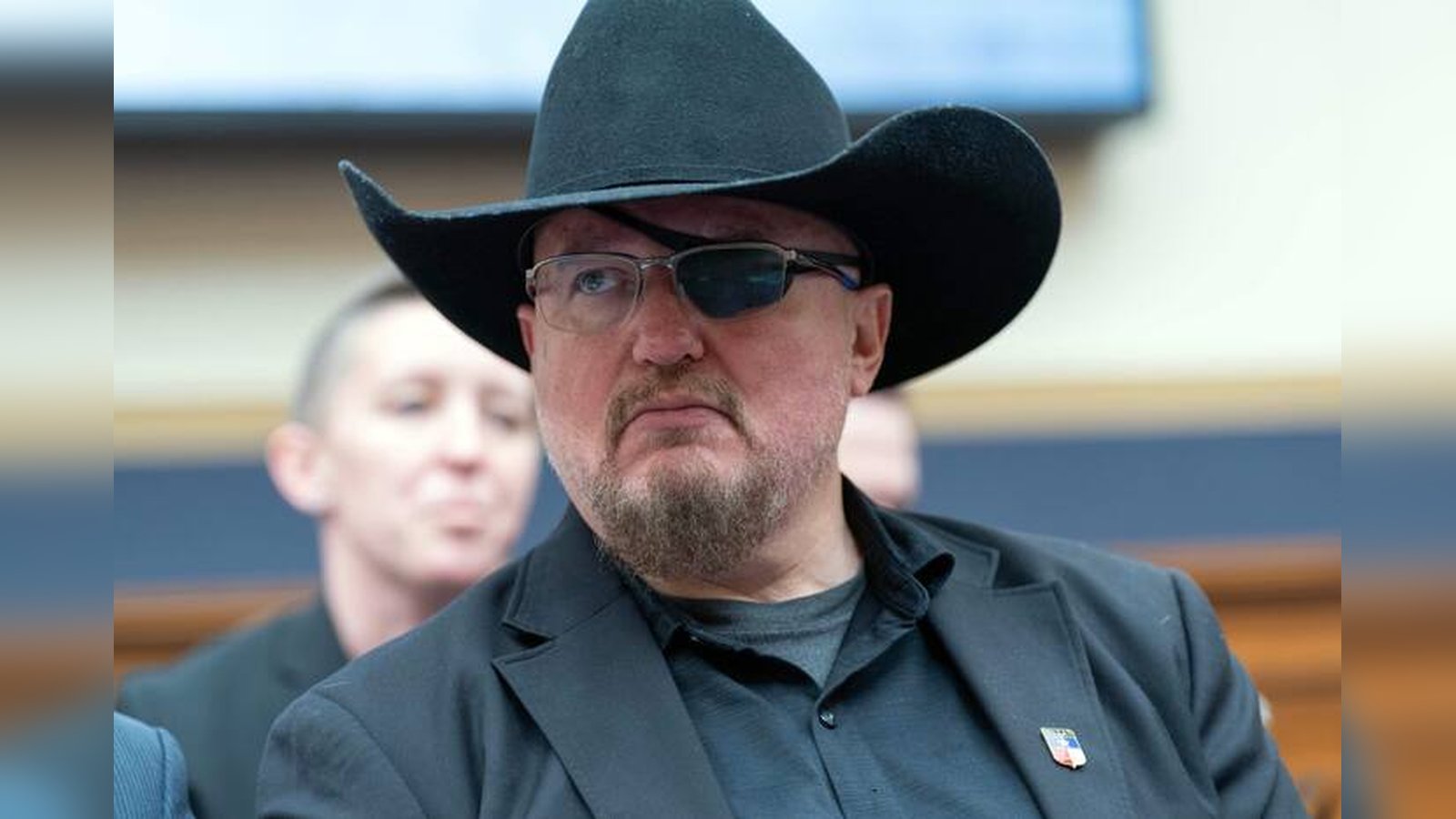
IRVING, Texas – Stewart Rhodes, the founder of the Oath Keepers militia and a central figure in the January 6, 2021, attack on the U.S. Capitol, has formally declared he is “absolutely done” with former President Donald Trump. In comments reported on November 21, 2026, by News4JAX, Rhodes characterized Trump as a “traitor” and “one of the very worst” presidents in American history, marking a stark reversal from his previous stance as a staunch, incarcerated loyalist.
Rhodes, who was previously sentenced to 18 years in prison for seditious conspiracy before his sentence was commuted by Trump, explained that his disillusionment began when he was denied a full presidential pardon. While he expressed initial gratitude for his release from prison, the absence of a pardon—coupled with what he described as a “pay-for-play” administrative culture—eroded his support. Rhodes, a Yale Law School graduate, stated that he intends to “modify” a tattoo of Trump’s face he acquired while incarcerated to reflect his current view of the former president’s actions.
Policy Grievances and Ideological Drift
Beyond the personal grievances regarding his legal status, Rhodes cited significant policy disagreements as drivers for his departure from the Trump movement. He specifically condemned Trump’s handling of foreign policy, particularly actions involving Iran, which he argued violated explicit campaign promises to conclude foreign conflicts. Furthermore, Rhodes expressed frustration over the administration’s perceived failure to address corruption in Washington, D.C., suggesting that the promise to “drain the swamp” had been abandoned.
Sam Jackson, an associate professor at the University at Albany who studies anti-government extremism, noted that this shift reflects a broader trend among certain factions of Trump’s base. According to RawStory, which reported on the development, Jackson observed that these supporters often move from viewing Trump as an ally in their fight against perceived conspiracies to believing he has been “co-opted” by those same hidden actors. This transition highlights the volatile nature of political allegiances within extreme-right circles, where expectations of radical change often clash with the realities of governance.
Rebuilding and Future Trajectory
Following the Justice Department’s decision to vacate his conviction earlier this year, Rhodes has begun efforts to reorganize the Oath Keepers. Although the group previously claimed tens of thousands of members, Rhodes now faces the challenge of reassembling his network in a changed political landscape. He indicated that his immediate focus remains on restoring his rights and rebuilding organizational capacity, though he remains deeply critical of both major political parties, suggesting that the Republican Party has taken its base for granted.