


Nuclear Escalation and Regional Tensions
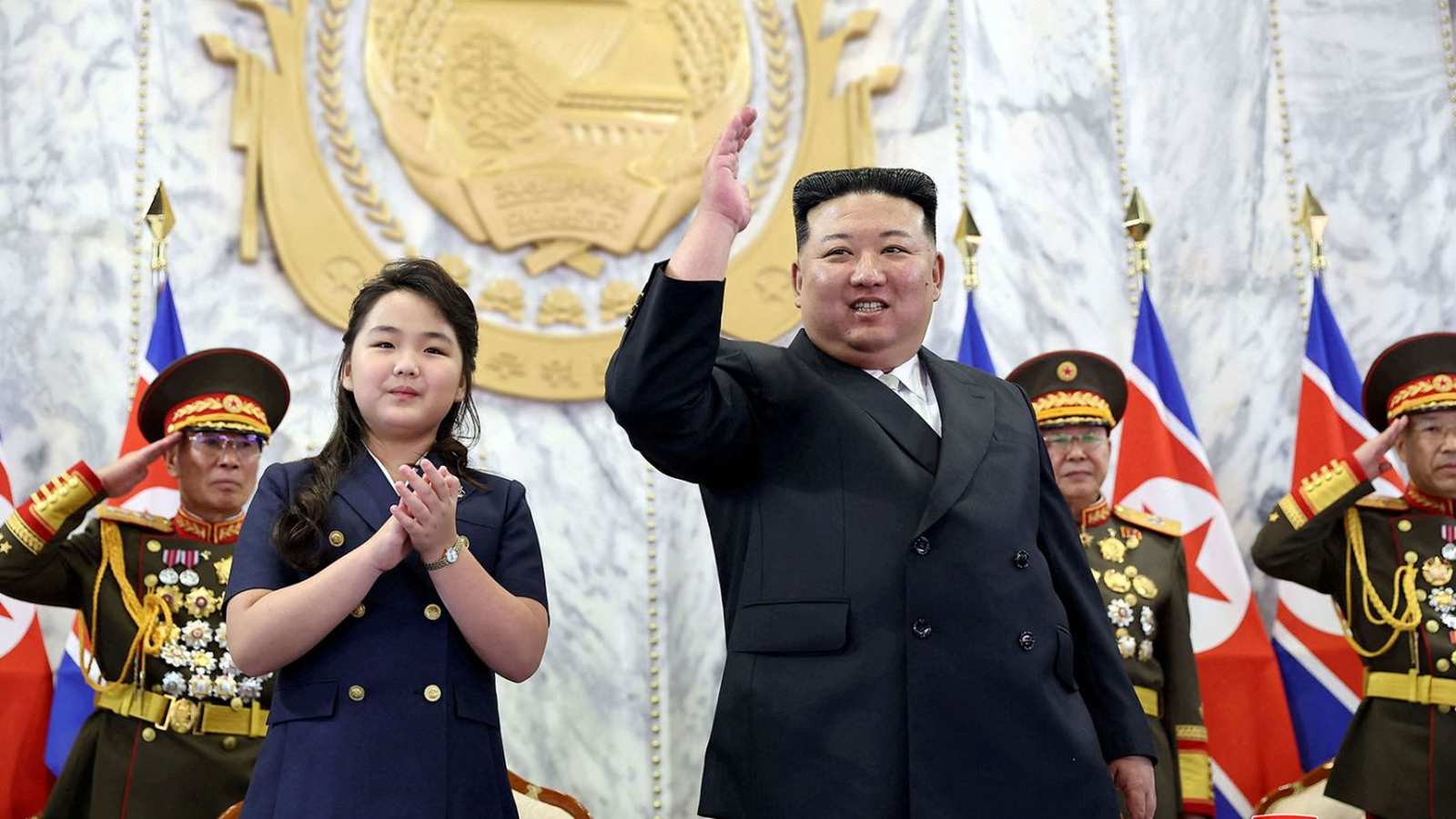
North Korean leader Kim Jong Un has signaled a significant shift in military posture, calling for the expansion of the country’s nuclear arsenal with the stated goal to “overtake the world.” According to reports from the Korean Central News Agency (KCNA), this directive was issued during the second plenary meeting of the ninth central committee of the Workers’ Party of Korea, which concluded on Monday.
Kim described the nuclear force as the “core of military sovereignty” and the pivot for the nation’s war-deterrence strategy. The meeting also confirmed plans to accelerate the construction of a 10,000-ton strategic guided missile cruiser. Kim explicitly blamed the U.S. and its allies for the current climate of global insecurity, specifically citing the South Korea-U.S. Nuclear Consultative Group (NCG) as a “nuclear war body” designed to threaten North Korean sovereignty.
Political Friction in Seoul
While Pyongyang intensifies its rhetoric, the government of South Korean President Lee Jae Myung faces growing internal pressure regarding its North Korea policy. At the 2026 International Korean Peninsula Forum, former unification ministers Jeong Se-hyun and Lee Jae-joung criticized the current administration for abandoning engagement in favor of a “permanent hostility” model.
Jeong Se-hyun argued that the Lee administration has effectively “poured concrete over a wall” that previously held potential for dialogue. He specifically pointed to the recent joint South Korea-EU statement condemning North Korea’s nuclear program as a diplomatic misstep that mirrors the hard-line stance of the previous Yoon Suk Yeol administration. Critics argue that prioritizing complete denuclearization as a prerequisite for peace is unrealistic and that Seoul should instead focus on nuclear freezing and reduction.
Analysis: A Strategic Deadlock
The simultaneous hardening of positions in both Pyongyang and Seoul suggests a deepening strategic deadlock. Kim Jong Un’s rhetoric signals that North Korea is moving away from the prospect of denuclearization talks, instead seeking recognition as a nuclear state on equal footing with established powers. By framing nuclear development as a response to “gangster-like” hegemonic greed, Pyongyang is preparing for a long-term standoff.
Meanwhile, the criticism from within Seoul’s political class highlights a fundamental divide over national security. The current administration’s reliance on the U.S. alliance and international pressure aims to contain the North, yet former officials warn that this path limits diplomatic flexibility and increases the risk of miscalculation. As both sides retreat into more rigid postures, the window for de-escalation continues to narrow, leaving regional stability increasingly reliant on deterrence rather than diplomacy.