


A High-Stakes Appointment
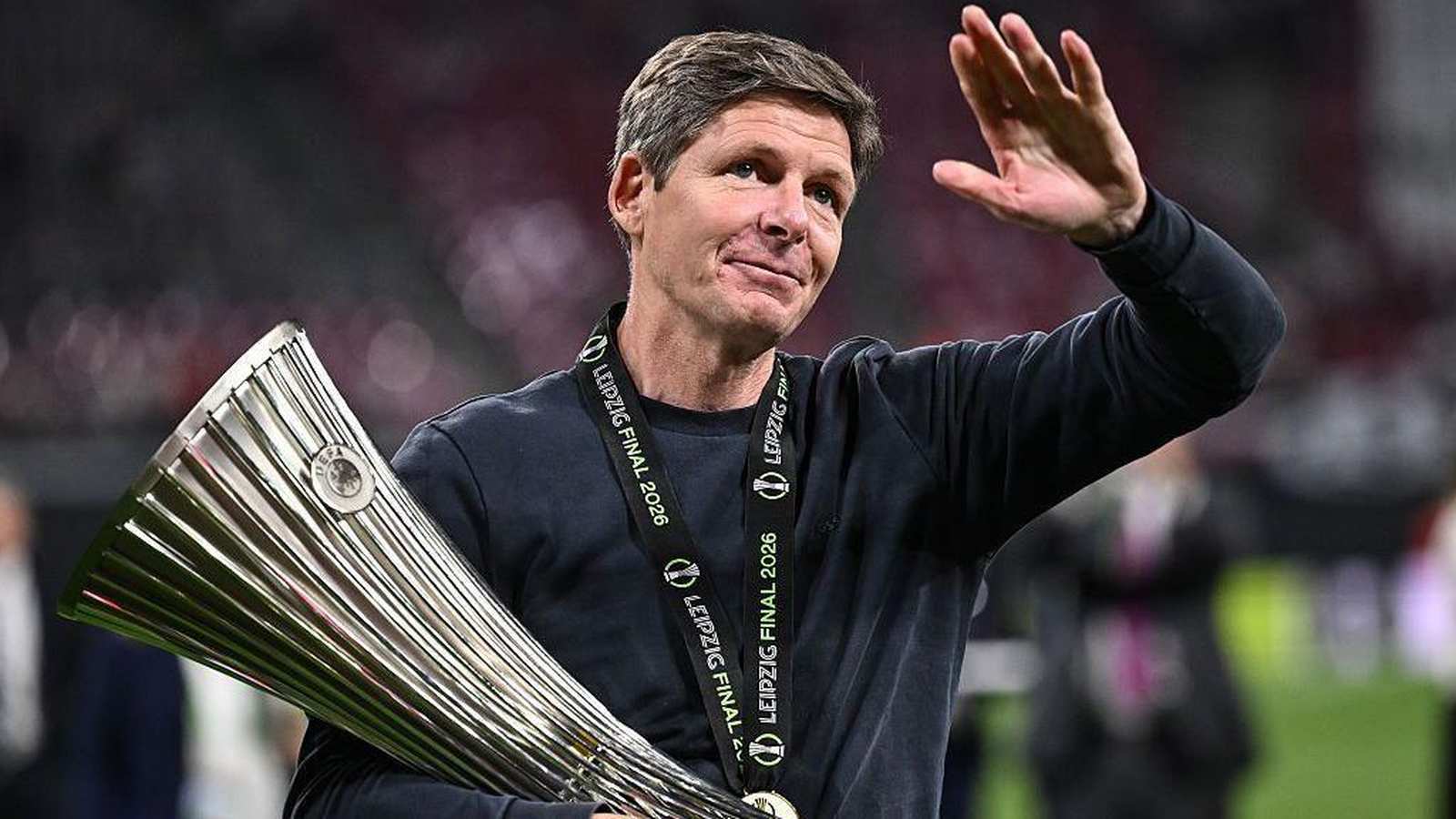
Nottingham Forest officially confirmed the appointment of Oliver Glasner as head coach on July 6, 2026, marking the beginning of a new era at the City Ground. Glasner, who previously enjoyed a highly successful tenure at Crystal Palace, arrives as the club’s fifth manager in less than 12 months, following the departure of Vitor Pereira.
The appointment, confirmed by club owner Evangelos Marinakis, signals an ambitious attempt to stabilize the club’s leadership. Marinakis described the Austrian as a “winner,” citing his proven pedigree in English football. Glasner led Palace to an FA Cup victory in 2025, a Community Shield win, and a Europa Conference League title during his two-and-a-half-year stint in south London.
Tactical Philosophy and Recruitment
Glasner’s arrival introduces a distinct tactical shift. Known for his preference for a back-three formation, he emphasizes high-intensity transitions and structured patterns over rigid positional play. His success at Palace was predicated on a specific system that prioritized rapid counter-attacks, a style he now aims to implement at Forest to elevate them from their 16th-place finish last season.
Speculation is already mounting regarding potential squad changes. Glasner shares a strong professional relationship with midfielder Daichi Kamada, who was instrumental during his time at Eintracht Frankfurt and Crystal Palace. With Kamada’s contract situation at Selhurst Park currently fluid, the prospect of a reunion at the City Ground remains a key narrative for the upcoming transfer window.
The Challenge of Stability
While Glasner’s trophy haul is impressive, his tenure at Forest faces immediate structural challenges. The club has seen a revolving door of managers—including Nuno Espirito Santo, Ange Postecoglou, and Sean Dyche—in the past year. Glasner’s career trajectory, characterized by high-impact success followed by friction with club hierarchies, adds a layer of volatility to this appointment.
Glasner is known for his “NIPSILD” philosophy—a German acronym for “don’t think in problems, but in solutions”—and his intense, often impatient management style. Historically, he has struggled to maintain long-term relationships with boards, often citing a lack of ambition or support in the transfer market. For Nottingham Forest, the primary test will be whether the club’s management can align with Glasner’s demands for long-term vision and recruitment, or if the cycle of managerial turnover will continue.