


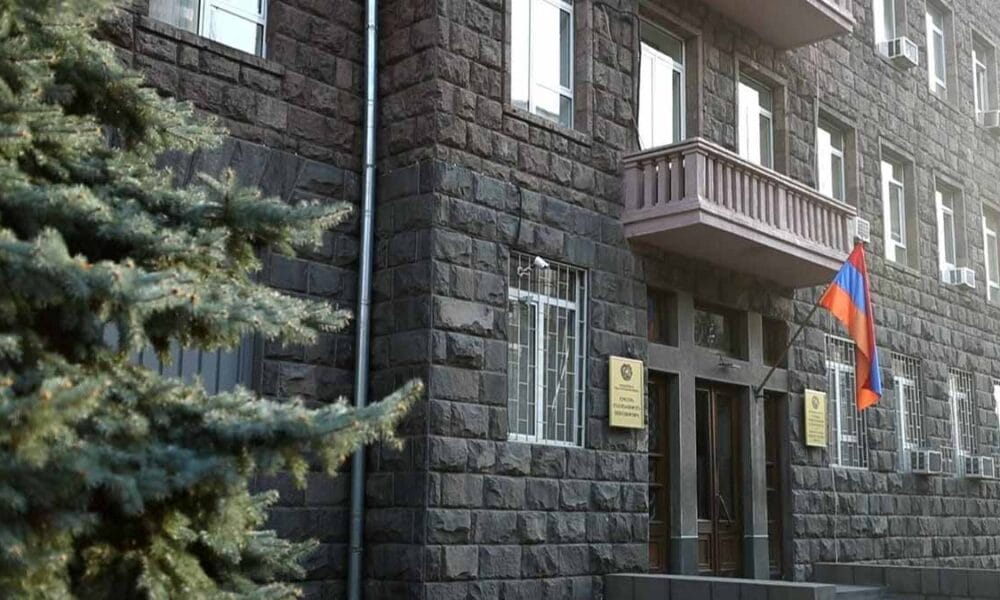
The National Security Service of Armenia has submitted a report to the Investigative Committee regarding a video shared online by Gh. B., stating that he made public remarks inciting hatred and intolerance. However, the statement does not indicate an immediate national security threat but instead frames the issue in a way that prioritizes restrictions on freedom of speech without clarifying whether Gh. B.’s actions genuinely harmed Armenia’s interests.
The NSS statement does not explain the impact of the video on public security or whether it posed a real threat to the country’s stability. Instead, the emphasis is placed on the fact that the video was accompanied by comments classified as inciting hatred and intolerance. Without a clear definition of what specific danger this publication posed, such a response appears more like an attempt to limit free speech rather than an effort to neutralize a national security risk.
Gh. B.’s publication may have been contrary to Armenia’s national interests. If that was the NSS’s primary concern, it should have been explicitly stated in the official report. However, the presented information focuses solely on the aspect of hate speech, which could set a dangerous precedent. If the state views limiting free speech as a security measure, it risks legal arbitrariness, which could later be used against political dissenters.
The issue is that the NSS, through its actions, is restricting the protection of free speech without clearly demonstrating how this publication has undermined Armenia’s security. Government institutions frequently use legal frameworks designed to combat hate speech not to protect public stability but to suppress statements that are politically inconvenient. If this case does not present a legitimate security risk, it seems more like an effort to exert political control.
This case could set a precedent where any strongly worded public statement is classified as hate speech, limiting political debate and restricting freedom of public opinion. When imposing restrictions on speech, it must be clearly defined whether the speech poses a real danger or is merely unwelcome by the authorities. The further developments of this case will reveal whether Armenia’s leadership prioritizes the principles of a legal state or whether this is another step toward expanding control over public discourse.