


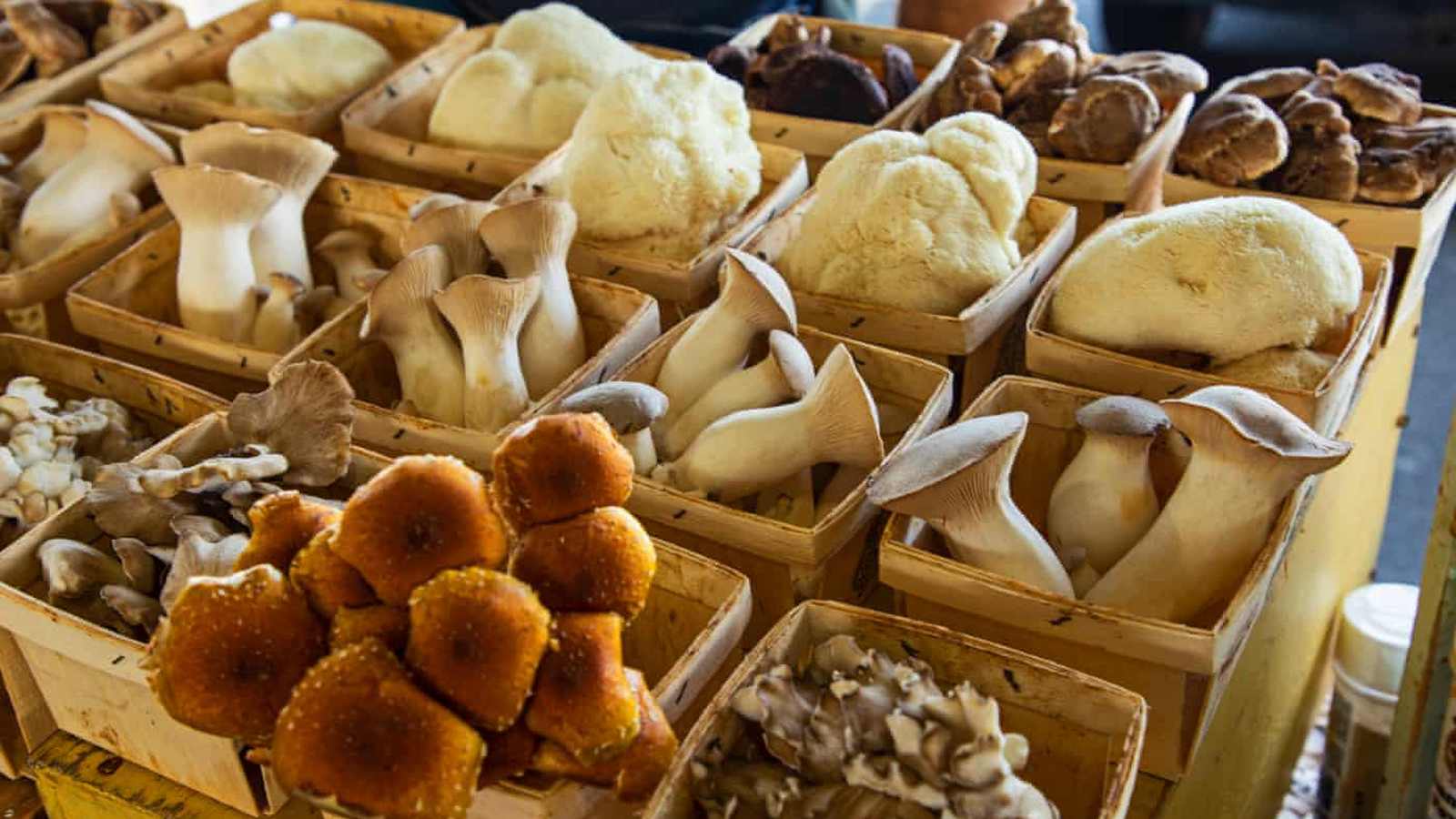
Nutritional Profile and Dietary Role
As of November 20, 2026, nutritionists and food scientists are increasingly emphasizing the health potential of mushrooms, a food category often overlooked in the United States. While Americans consume an average of approximately 4lb (1.81kg) of mushrooms per capita annually—significantly less than the 6lb (2.72kg) in South Korea or the 12lb (5.44kg) consumed in Japan—experts suggest that integrating a wider variety of these fungi into daily diets offers substantial health advantages, as reported in The Guardian. Dr. Krystle Zuniga, a board-certified oncology dietitian, observes that while they are technically fungi, they are often treated as a forgotten vegetable in the American diet.
Dr. Robert Beelman, professor emeritus of food science at Penn State University, notes that the primary appeal of mushrooms has historically been their culinary versatility, combined with a profile featuring very little fat, no sugar, and minimal calories. Beyond their utility as a low-calorie ingredient, mushrooms provide a savory, umami flavor that makes them an effective meat substitute. Registered nutritionist Marisa Moore recommends replacing up to 50% of ground meat in recipes like tacos or meatballs with chopped mushrooms to improve the nutritional density of meals.
Fiber and Immune Support
Mushrooms are distinct from meat in their nutritional composition, specifically regarding fiber. They contain beta-glucans—a soluble fiber also found in grains like oats and barley—which Moore notes has been shown to help reduce cholesterol levels. Furthermore, the insoluble fiber chitin present in mushrooms supports gut health. Dr. Zuniga explains that the human body recognizes the structure of beta-glucans as slightly foreign, which may help stimulate and activate the immune system. Studies have indicated that these compounds possess promising anti-inflammatory properties. Beyond fiber, mushrooms provide essential nutrients such as potassium for blood pressure regulation, selenium for thyroid health, and various B vitamins crucial for metabolism.
Vitamin D and Antioxidant Capacity
Mushrooms are among the few dietary sources capable of providing vitamin D, which is essential for bone health, mood regulation, and immune function. According to Moore, mushrooms are unique in the produce aisle because their vitamin D content can increase through exposure to UV light or direct sunlight. Research suggests that placing mushrooms gill-side up in midday sunlight for 15 to 60 minutes can effectively boost their vitamin D levels. While a standard serving does not reach the 15-microgram daily threshold easily, it serves as a significant dietary contribution.
Additionally, mushrooms serve as a primary dietary source for ergothioneine, an antioxidant that may combat cellular damage. While some researchers, including Beelman, suggest a link between high ergothioneine intake and improved cognitive resilience, he clarifies that long-term trials confirming a direct causal relationship are still needed. He suggests a target of 10mg per day, achievable through varieties like lion’s mane, porcini, or shiitake. Regarding broader health claims, while some observational studies correlate mushroom consumption with lower cancer risk, experts like Zuniga emphasize that these benefits are best understood within the context of a plant-rich diet. Experts generally advise prioritizing whole mushrooms over supplements, noting that the regulation of dietary supplements in the US remains inconsistent and unreliable for consumers.