


A New Diplomatic Alignment in Shenzhen
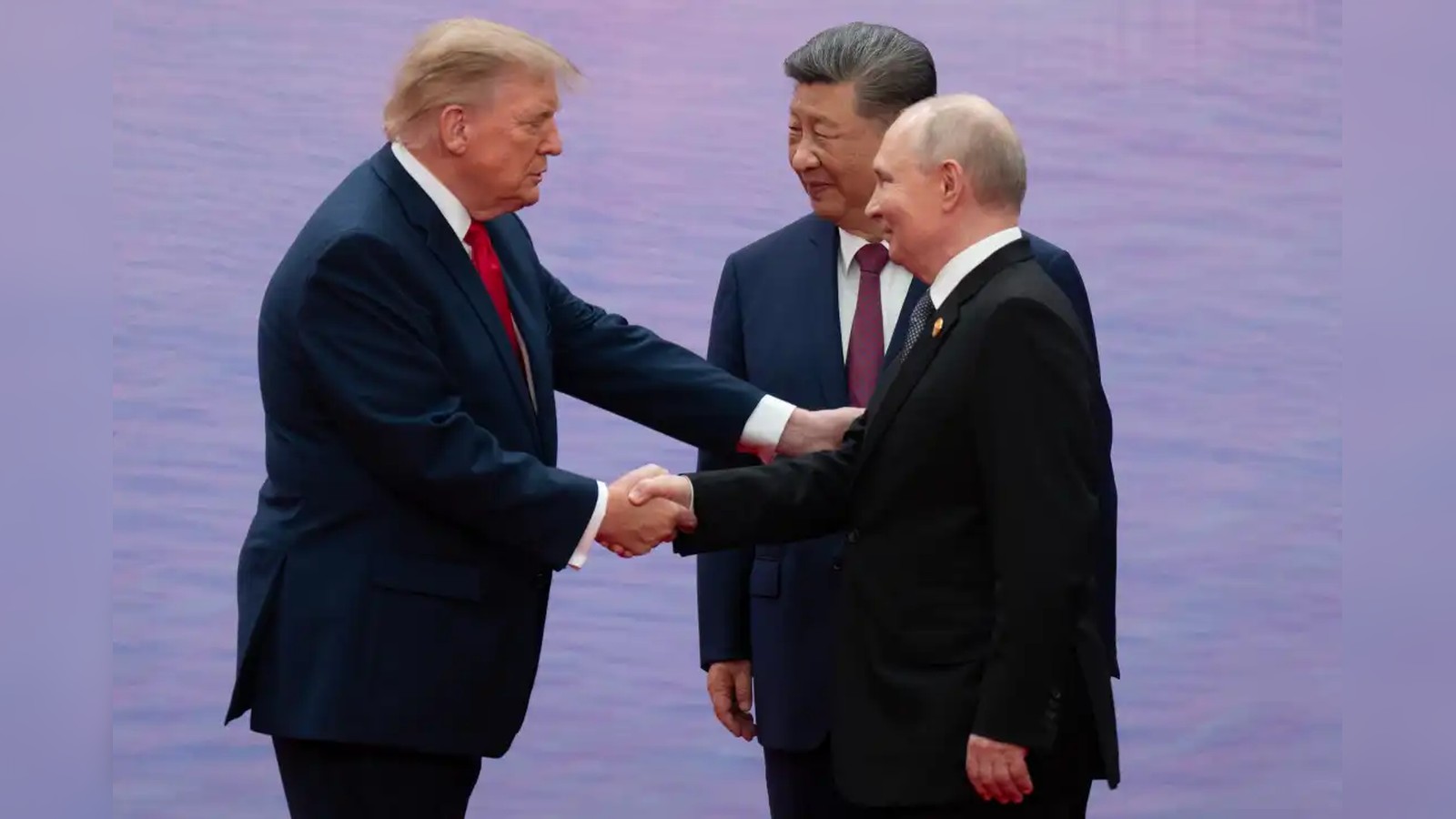
Following a significant defeat in the US midterm elections, President Donald Trump traveled to Shenzhen, China, this week to participate in the first-ever trilateral summit alongside Chinese President Xi Jinping and Russian President Vladimir Putin. The meeting, which took place at the Kylin Villa, brought together the leaders of the world’s three largest nuclear powers for 70 minutes of closed-door discussions. The event served as a stark contrast to Trump’s diminished political standing at home, with his hosts orchestrating a reception that emphasized personal rapport over traditional diplomatic friction.
The summit produced a four-point document titled the “Declaration Toward Peace,” which notably omitted any reference to the ongoing conflicts in Ukraine or Iran. Instead, the leaders pledged to engage in dialogue regarding nuclear risk reduction, increase the supply of refined petroleum, and pursue “reforms” to the United Nations. Furthermore, the declaration emphasized that state sovereignty and the immunity of state officials must be respected, while expressing opposition to the jurisdiction of the International Criminal Court (ICC). This stance aligns with the current political interests of all three participants: Putin is subject to an active ICC arrest warrant, while the Trump administration has previously imposed sanctions on ICC officials.
Geopolitical Optics and Domestic Repercussions
The visual staging of the event—a large circular table featuring a central floral arrangement intended to symbolize harmony—drew immediate criticism from US foreign policy experts. Critics argued that the summit provided a propaganda victory for both Xi and Putin, allowing the Russian leader to project an image of global relevance despite the struggles of his military campaign in Ukraine. For Xi, the summit solidified China’s role as a central arbiter of international diplomacy without requiring concessions on contentious issues such as trade tariffs or the status of Taiwan.
Steve Schmidt, a former adviser to George W. Bush and John McCain, characterized the event as a “repudiation of American values” and a potential betrayal of international allies. “The image of the grotesque large round table with a war criminal dictator, a stable dictator and an irrational, delusional wannabe dictator is an image of deep shame and weakness for the United States,” Schmidt stated, as reported by The Guardian.
The summit occurred against a backdrop of significant international tension. While Trump utilized the platform to emphasize a personal connection with his counterparts—referring to both Xi and Putin as his “friends”—the practical policy outcomes remained limited. In bilateral discussions, Trump and Xi reportedly touched upon the need for “guardrails” regarding artificial intelligence, but provided few actionable details. Meanwhile, European leaders and NATO officials convened separately in Berlin to reaffirm their support for Ukraine, signaling a growing divide between the US executive branch’s current diplomatic trajectory and the security priorities of its traditional transatlantic partners.
Assessing Diplomatic Value
Analysts suggest that the summit served primarily as a symbolic victory for the participants rather than a substantive turning point for international stability. Brett Bruen, former global engagement director for the Obama White House, noted that the “brand Trump” had been weakened by domestic political setbacks, and that the summit failed to deliver tangible diplomatic wins. “Once again he’s returning from China with the luggage hold empty of any diplomatic accomplishments,” Bruen told The Guardian.
The summit’s focus on limiting the influence of the UN and the ICC indicates a shared desire among the three leaders to reshape international norms in a way that minimizes external oversight of their domestic and foreign actions. As the summit concluded, the absence of any mention of the major conflicts currently destabilizing global security underscored the disconnect between the leaders’ stated goals of “peace” and the realities of their respective military and foreign policies. For the US, the next phase of this diplomatic shift will likely involve intense scrutiny from Congress and international observers regarding the long-term impact on the rules-based international order that has persisted since the post-WWII era.