


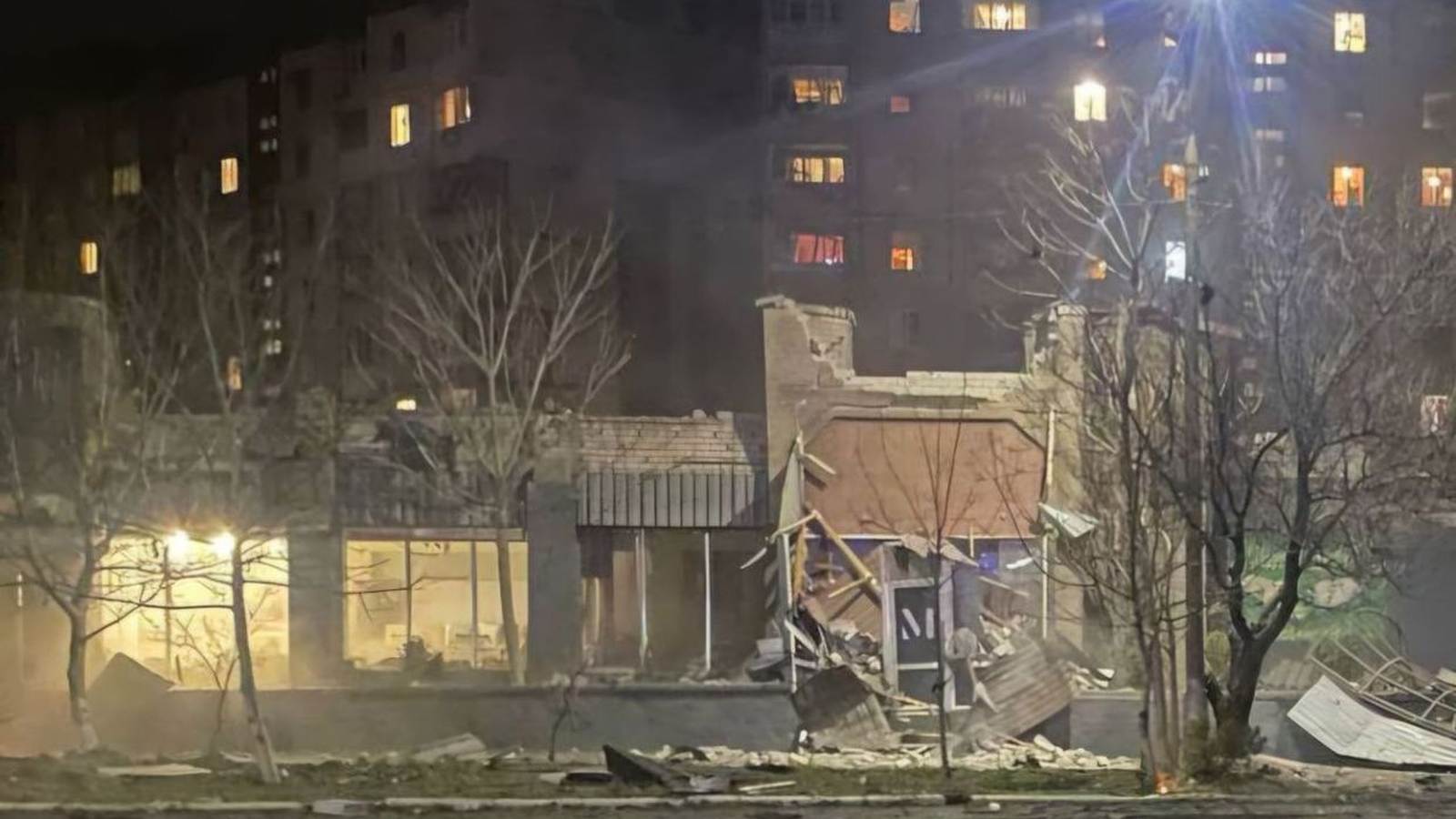
On the night of November 20, 2026, a devastating Russian ballistic missile strike targeted the center of Kryvyi Rih, the hometown of Ukrainian President Volodymyr Zelenskyy, resulting in the tragic deaths of two civilians—a 7-year-old boy and a 20-year-old woman. The attack left 60 others injured, including six children, and inflicted widespread destruction on civilian infrastructure. According to Oleksandr Vilkul, the head of the city administration, the strike ignited four separate fires and damaged approximately 25 apartment buildings, a local hospital, several schools, and a variety of businesses and vehicles. The regional military administration, led by Oleksandr Hanzha, confirmed the high casualty toll, emphasizing the heavy civilian impact of the projectile, which struck deep within a densely populated urban area.
The Cyclical Nature of Retaliatory Violence
The strike on Kryvyi Rih does not appear to be an isolated incident but rather fits a recurring, predictable pattern in the ongoing conflict. Russian military strategy frequently employs high-intensity, retaliatory missile strikes following notable Ukrainian battlefield successes or strategic operations. In this instance, the bombardment occurred shortly after recent Ukrainian operations targeted the Kerch Bridge, a critical logistical link connecting Russia to the illegally annexed Crimean Peninsula. This cycle of escalation—whereby a tactical or strategic blow against Russian infrastructure is met with a disproportionate strike against Ukrainian population centers—continues to define the attrition-based nature of the war as it approaches its five-year mark.
This latest tragedy unfolded within a highly volatile 24-hour window that also saw regional tensions spill over into NATO territory. On the same day, two Russian missiles and a suspected drone landed in Poland. The Polish prime minister characterized these events as a deliberate provocation, suggesting they were specifically timed to coincide with ongoing, unprecedented European military exercises in the region. These exercises, which commenced on November 9 in southeastern Poland, involve European troops preparing for a potential post-war stabilization mission in Ukraine. The presence of these forces, aimed at bolstering Ukraine’s future defensive and reconstruction capabilities, has clearly served as a flashpoint for the Kremlin, which views such Western-backed maneuvers as a direct challenge to its regional security objectives.
Diplomatic Tensions and Conflicting Narratives
The timing of the Kryvyi Rih attack underscores the extreme fragility of current international efforts to reach a negotiated end to the conflict. As the United States attempts to inject momentum into peace talks, the tactical reality on the ground remains deeply resistant to diplomatic progress. On November 19, U.S. President Donald Trump held discussions regarding the war with Russian President Vladimir Putin and Chinese leader Xi Jinping during a summit in China. Reports from diplomatic envoys, including Steve Witkoff, suggest that the Trump administration is pushing for a peace deal by early January, citing an urgent timeline before shifts in the U.S. legislative landscape occur. These negotiations, which have seen meetings in locations ranging from Abu Dhabi to Moscow, Berlin, and Dublin, are reportedly focused on broad European security frameworks.
However, the diplomatic approach remains fraught with friction. President Zelenskyy has expressed sharp criticism regarding the U.S. administration’s rhetoric. In a recent interview with CNN, Zelenskyy explicitly rejected the conciliatory language used by President Trump toward the Russian leadership. By labeling Vladimir Putin “a killer” and an “enemy,” Zelenskyy signaled his deep skepticism toward any peace process that relies on friendly discourse with the Kremlin. He warned that such language risks signaling weakness and failing to exert the necessary pressure required to deter further Russian aggression. The divide between the U.S. desire for an expedited settlement and Kyiv’s demand for a firm, punitive stance toward Moscow highlights the significant obstacles facing any potential peace agreement.
Regional Hostilities and Humanitarian Impact
The broader theater of the war remains a scene of persistent, daily violence that undermines attempts at de-escalation. On November 21, the day following the Kryvyi Rih tragedy, Ukraine’s State Emergency Service reported that a Russian drone strike hit a five-story apartment building in the Kharkiv region, resulting in 11 injuries, including two children. Concurrently, a separate attack in Kyiv left another person wounded. The retaliatory cycle extends to the Russian border regions as well; officials in Bryansk and Belgorod reported that Ukrainian drone strikes on the same day resulted in three injuries. These persistent cross-border exchanges illustrate that despite the high-level summits in China and the frantic diplomatic shuttle missions across Europe, the war remains stuck in a cycle of reactive violence.
As European nations continue their military preparations in Poland, they face the challenge of navigating these heightened tensions. Moscow has long demanded that NATO refrain from further expansion and restrict military activities near its borders—demands that continue to be a focal point of their negotiation strategy. The Kremlin’s willingness to engage in U.S.-mediated talks regarding European security is viewed with significant alarm by many Western allies, who fear that concessions regarding military deployments and NATO’s footprint will ultimately weaken Ukraine’s long-term security. Consequently, the strike on Kryvyi Rih serves as a grim reminder that while diplomats discuss frameworks for the future, the human cost of the present conflict continues to mount, with civilian infrastructure and non-combatants remaining firmly in the line of fire.
Reporting source: bostonglobe.com.