


Obama’s Detroit Rally and the Stakes of the Black Vote
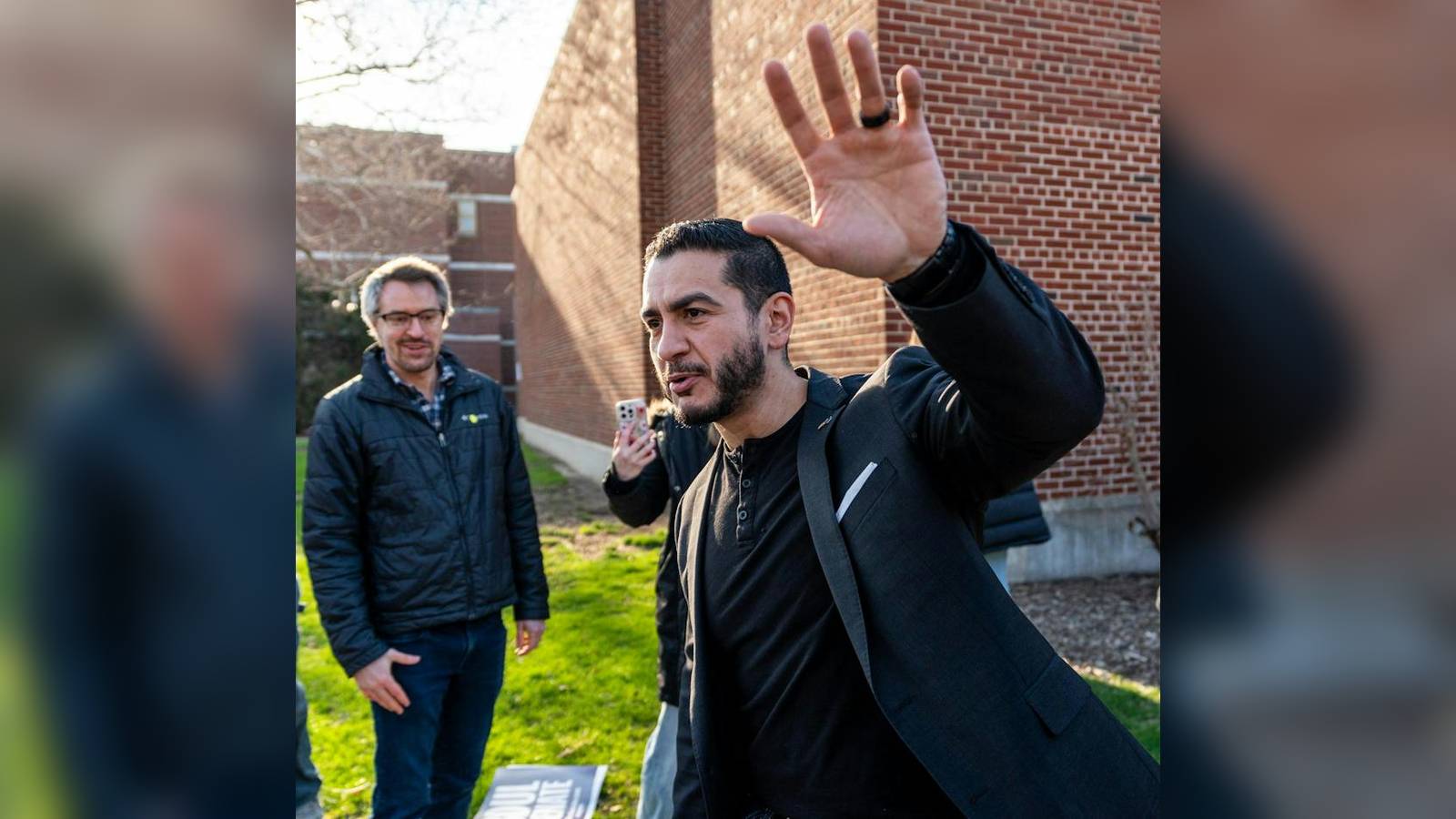
Former President Barack Obama campaigned in Detroit on Saturday, delivering a high-profile endorsement of Democratic Senate nominee Abdul El-Sayed. With less than two weeks remaining before Election Day, the rally was a strategic effort to solidify support among Black voters—a critical demographic in Michigan’s intensely competitive race. Obama framed the election as a clear choice, arguing that El-Sayed’s platform of healthcare reform and economic policy stands in stark contrast to the agenda of his Republican opponent, former Rep. Mike Rogers.
“We’re clear about the choice in this election,” Obama stated, as reported by NBC News. The former president used the platform to critique the current administration, specifically targeting President Donald Trump’s handling of tariffs and the ongoing war in Iran, which he contended have disproportionately harmed Michigan’s working families. Obama’s appearance is widely viewed as an attempt to mobilize Detroit’s 75% Black population, a voting bloc that remains essential for any Democratic victory in the state.
Navigating Tensions and Party Unity
The campaign has faced challenges in bridging the gap between El-Sayed and some segments of the Black community in Detroit. El-Sayed, an epidemiologist, has previously acknowledged historical tensions between Arab American and Black communities, noting that for many residents, past negative experiences with shopkeepers or community figures have created lingering skepticism. During the Democratic primary, El-Sayed struggled to match the support levels of his primary opponent, Rep. Haley Stevens, in the city.
Despite these historical frictions, prominent Black Democrats—including Sen. Raphael Warnock, Rep. Ayanna Pressley, and Michigan Lt. Gov. Garlin Gilchrist—have publicly backed El-Sayed. Gilchrist emphasized the significance of Obama’s intervention, telling NBC News that the former president occupies a “singular place” in the consciousness of Black Americans and that his presence serves to unify the party. While El-Sayed has previously offered critiques of Obama’s presidency, he clarified that he views the former president as a foundational figure for the movement, noting that he would not be in the race without the progress initiated during the Obama years.
Polling and Competitive Landscape
The race between El-Sayed and Rogers remains exceptionally close, with both candidates actively courting voters in the final stretch. A recent YouGov survey indicates that El-Sayed holds 84% of the Black vote compared to 11% for Rogers, a margin similar to 2024 presidential exit polls. However, other data points suggest a more fluid electorate; a late September Fox News poll placed Rogers’ support among Black voters at 22%. The Republican Governors Association, through communications director Kollin Crompton, criticized the rally, labeling El-Sayed an extremist and accusing Democrats of prioritizing political maneuvering over the needs of Michigan families.