


The Strategic Significance of Glasgow’s Entertainment Infrastructure
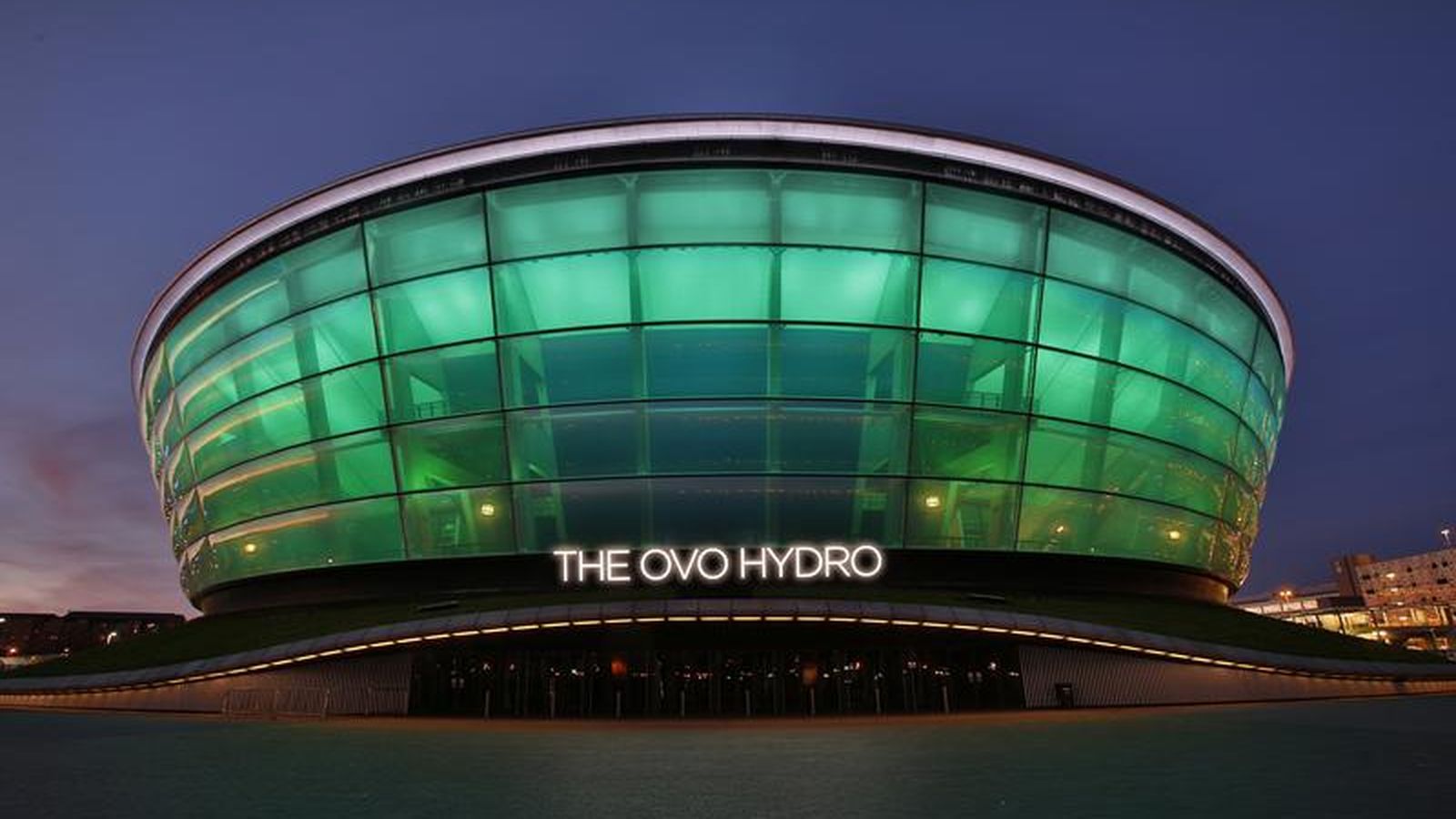
The OVO Hydro in Glasgow has transcended its status as a mere entertainment venue to become a cornerstone of Scotland’s macro-economic strategy. In recent weeks, the announcement of major UK tours—including the highly anticipated finale of Culture Club’s “The Singles” tour and upcoming dates for The Script—has underscored the arena’s pivotal role in the regional economy. As the venue prepares for a high-volume 2024-2025 calendar, the implications for Glasgow’s hospitality and retail sectors are profound. According to tourism data, a single sold-out night at the Hydro can generate millions in secondary spending across the city, reinforcing Glasgow’s reputation as a premier destination for global events.
The recent announcement regarding Culture Club, featuring 1980s icons ABC and Haircut 100, highlights a broader trend in the live music industry: the concentration of high-yield heritage acts in multi-purpose arenas. By securing the tour finale on December 19, the OVO Hydro ensures a significant year-end economic boost. This scheduling is not incidental; it is a calculated effort to maintain Glasgow’s competitive edge against other major UK hubs like Manchester’s Co-op Live or London’s O2 Arena. The logistical capability of the Hydro to host complex, high-production tours remains a primary draw for international promoters.
The 2026 Commonwealth Games: A Policy-Driven Pivot
Beyond the immediate glitz of pop tours, the OVO Hydro is currently at the center of a major geopolitical and sporting transition. With ticket ballots for the 2026 Commonwealth Games now live, the arena is transitioning into a high-stakes institutional asset. The decision to host the Games in Glasgow, following Victoria’s withdrawal, has placed the Hydro at the heart of a “resilience model” for international sporting events. Policymakers are looking to the arena to demonstrate how existing infrastructure can be leveraged to host sustainable, cost-effective global competitions without the massive public debt often associated with new builds.
The economic stakes of the 2026 Games are significant. Estimates suggest that the influx of athletes, officials, and spectators will provide a necessary stimulus to the Scottish service sector. However, the success of this endeavor depends heavily on the Hydro’s ability to manage the transition from a commercial music venue to a regulated sporting environment. This shift involves complex negotiations between the Scottish Government, Glasgow City Council, and private stakeholders to ensure that the city’s transport and security infrastructure can handle the sustained pressure of a multi-week international event.
Sustainability and the Future of the Live Event Economy
As the OVO Hydro navigates these dual roles, the focus has increasingly turned toward the sustainability of the live event model. The arena’s namesake partnership with OVO Energy reflects a broader corporate shift toward “Green Tourism.” For Glasgow, the goal is to align the Hydro’s operations with the city’s Net Zero targets. This policy focus is not just about environmental stewardship; it is an economic necessity. Major touring artists, such as the recently returned Lola Young, are increasingly prioritizing venues that offer sustainable touring solutions. Young’s recent comeback, following a hiatus for mental and physical health, serves as a reminder of the human cost of the touring industry and the need for venues to provide supportive, world-class environments for performers.
The integration of digital ticketing, enhanced public transport links, and local supply chain management are all part of a larger strategy to maximize the “Glasgow Pound.” When fans travel from across the UK for events like the Culture Club finale or the Commonwealth Games, the objective is to ensure that the economic benefits are distributed beyond the venue’s footprint. This involves strategic partnerships with local hotels and small businesses, ensuring that the Hydro acts as an anchor for wider urban regeneration.
The OVO Hydro’s current trajectory represents a sophisticated convergence of cultural programming and municipal policy. By balancing high-revenue commercial tours with the institutional responsibility of the 2026 Commonwealth Games, the venue is effectively insulating Glasgow against regional economic volatility. The success of this dual-track strategy will likely serve as a blueprint for other post-industrial cities seeking to redefine their global identity through the experience economy. As the 2026 Games approach, the Hydro’s performance will be a litmus test for the viability of sustainable, infrastructure-led urban growth in the 21st century.